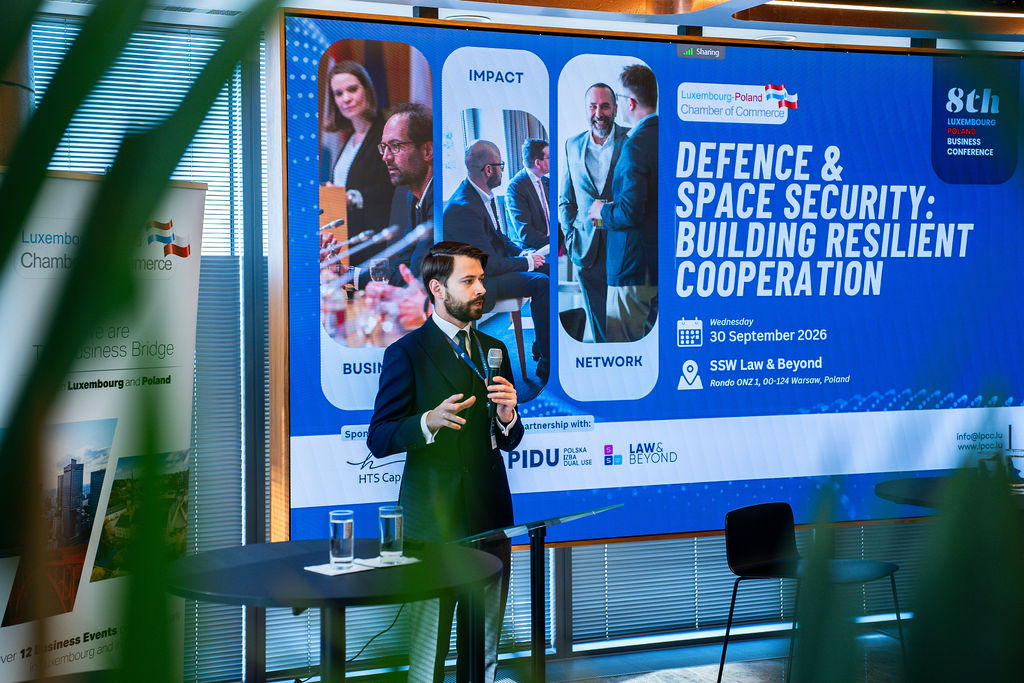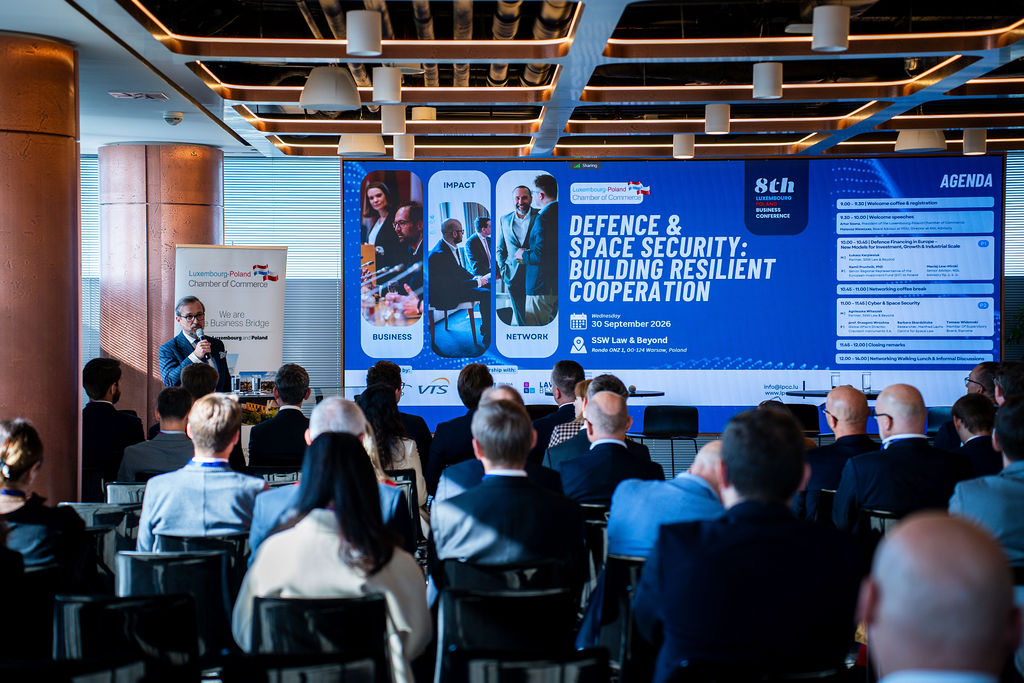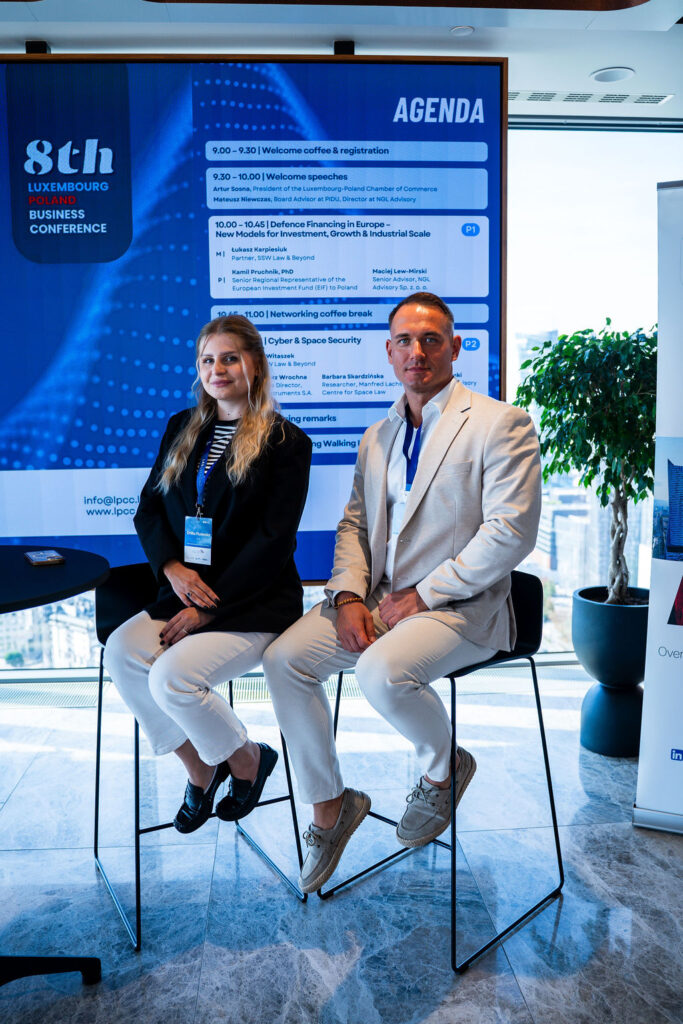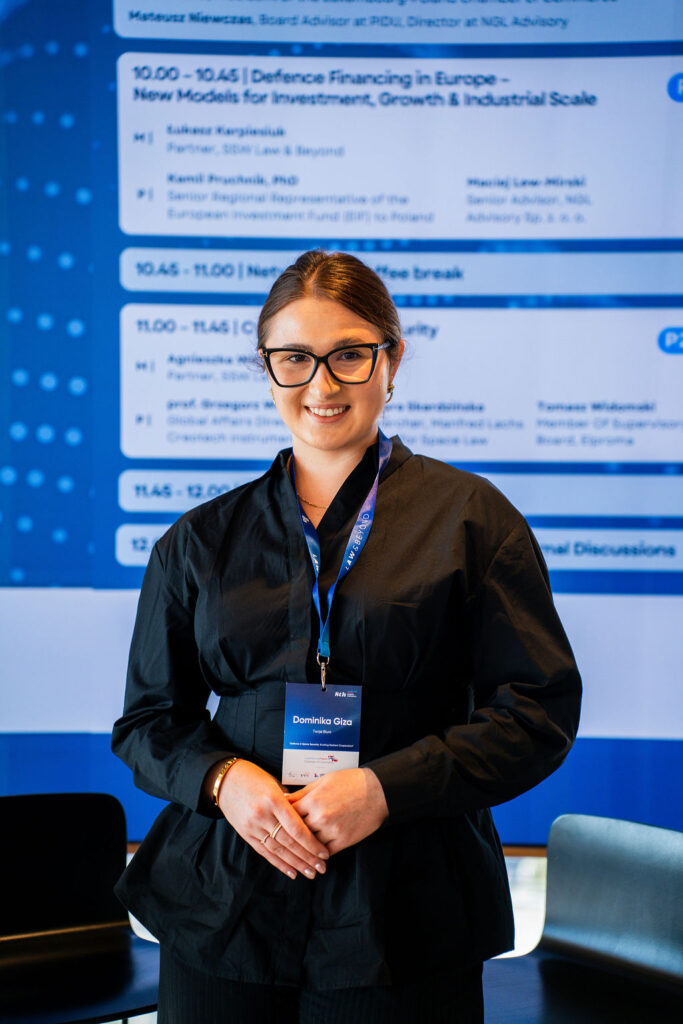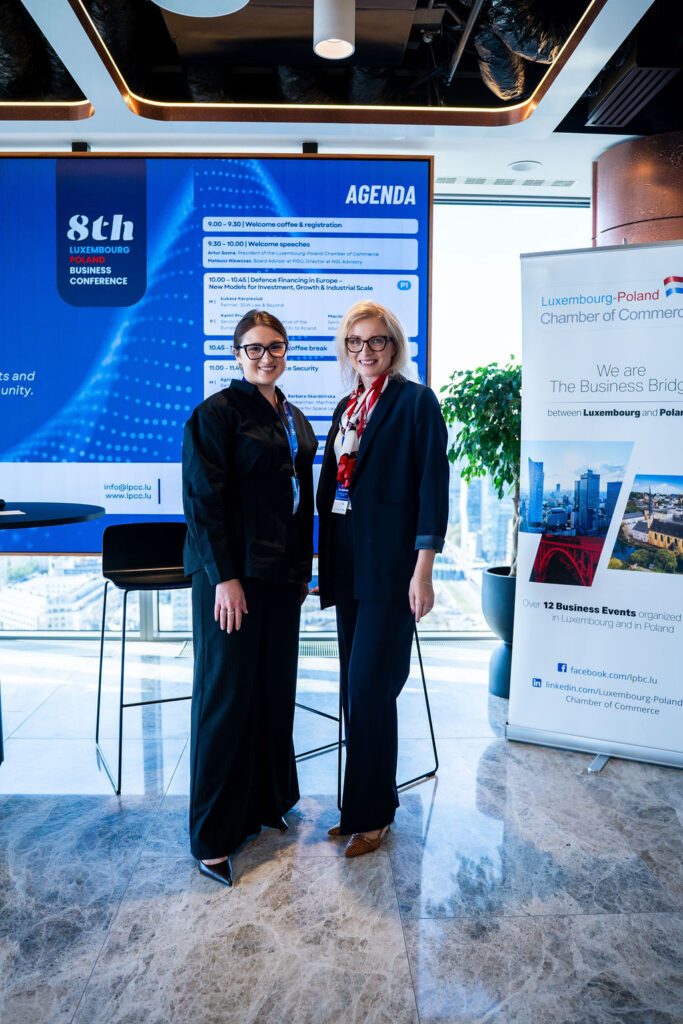
8th Luxembourg-Poland Business Conference: Defence & Space Security
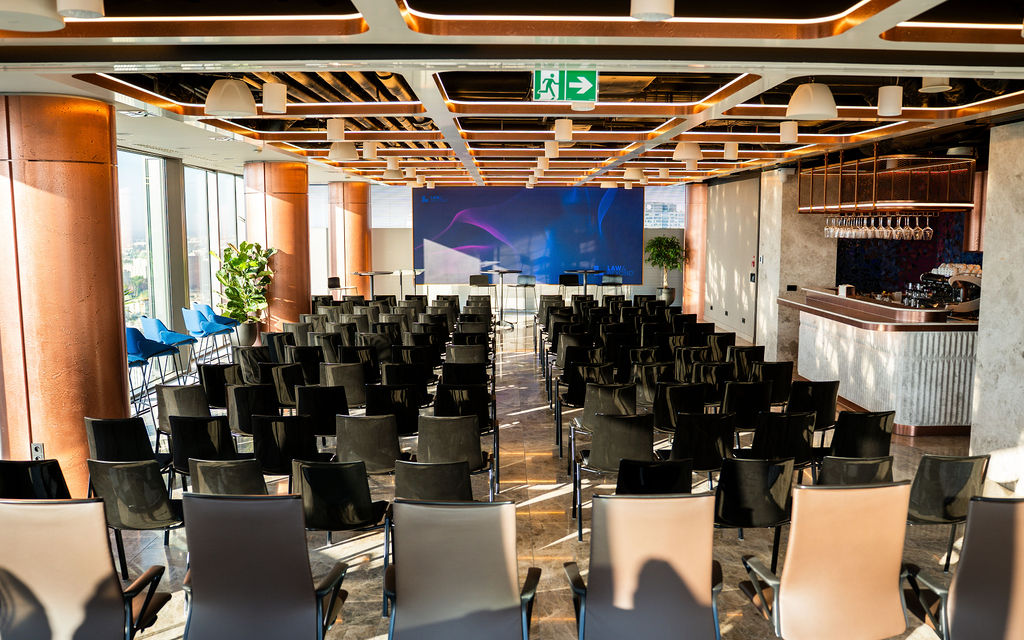
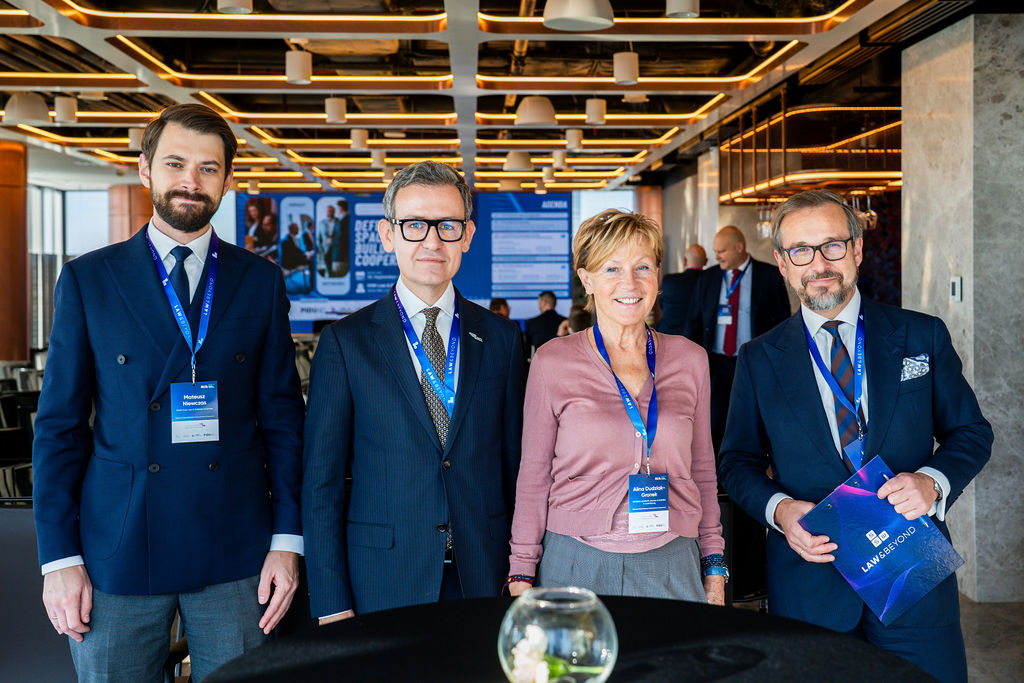
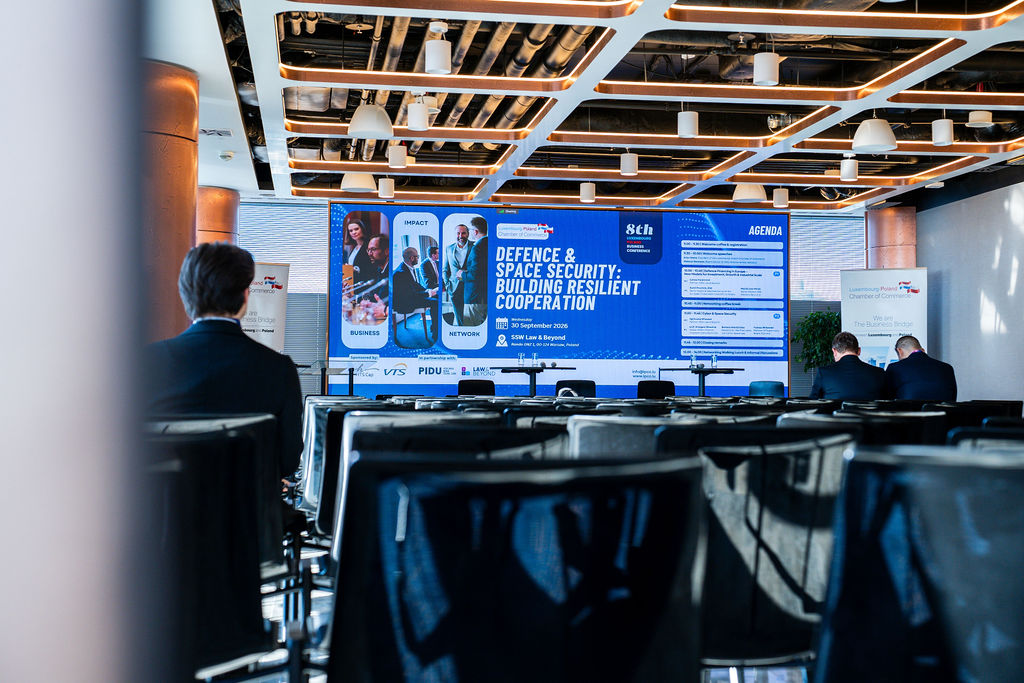
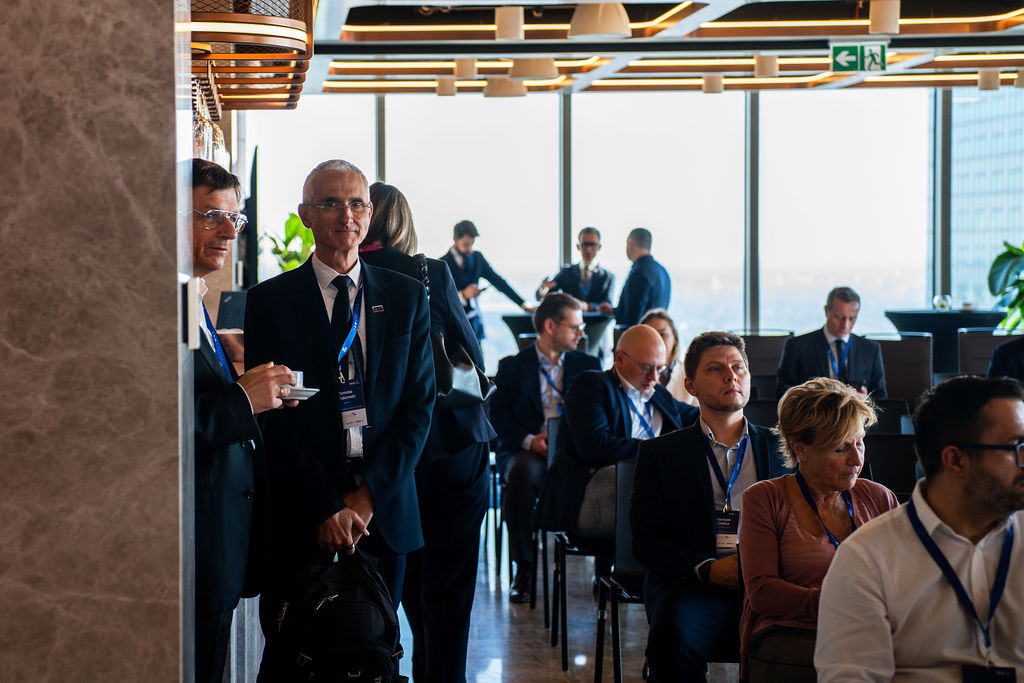
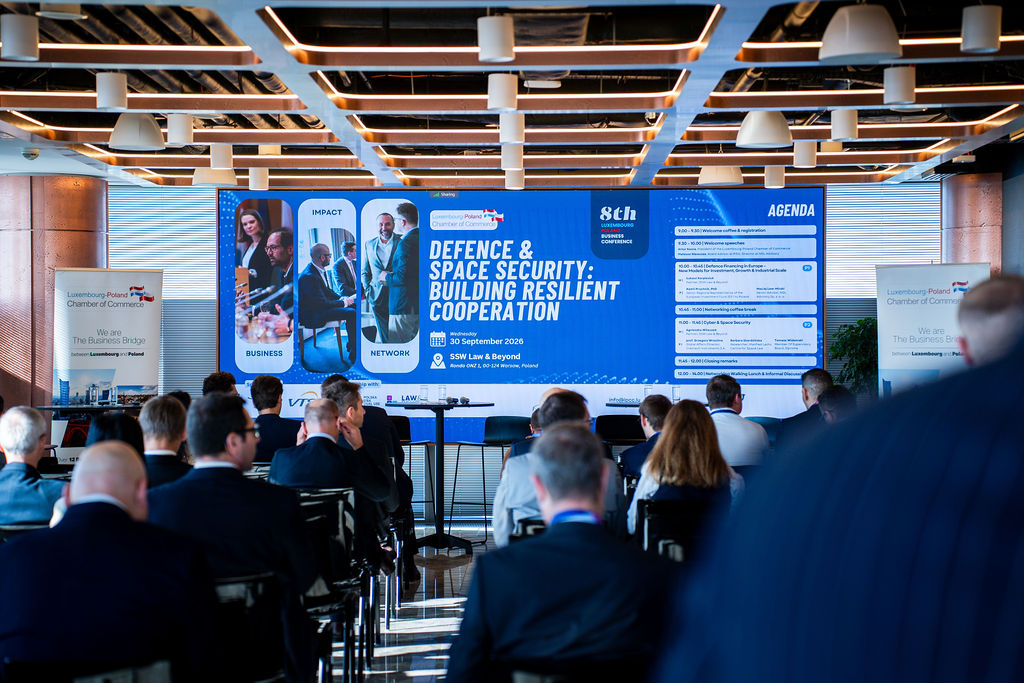
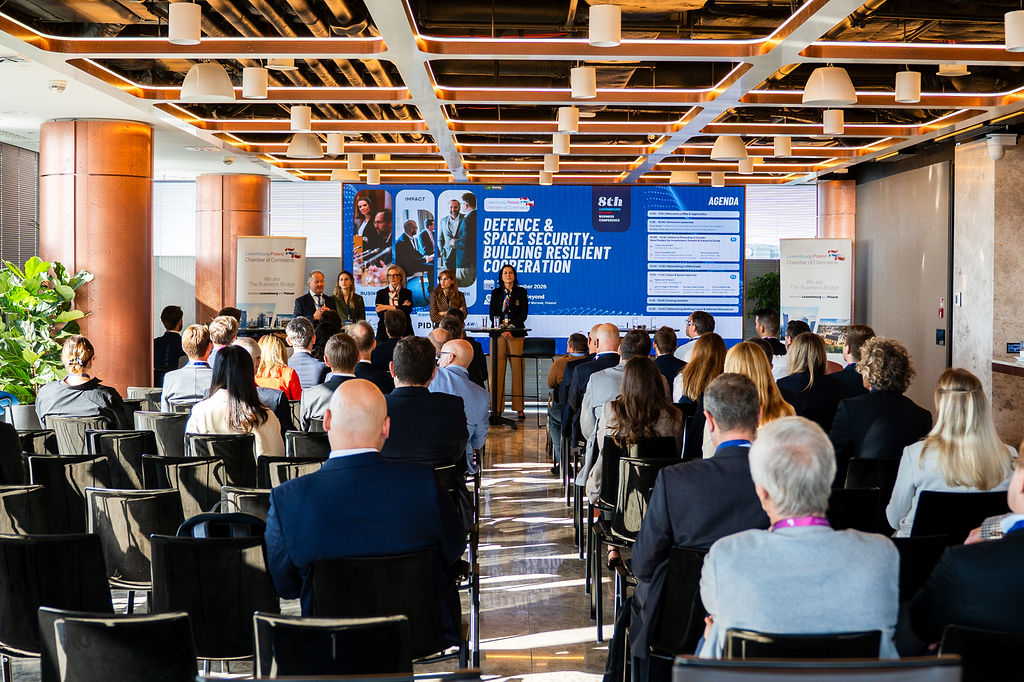
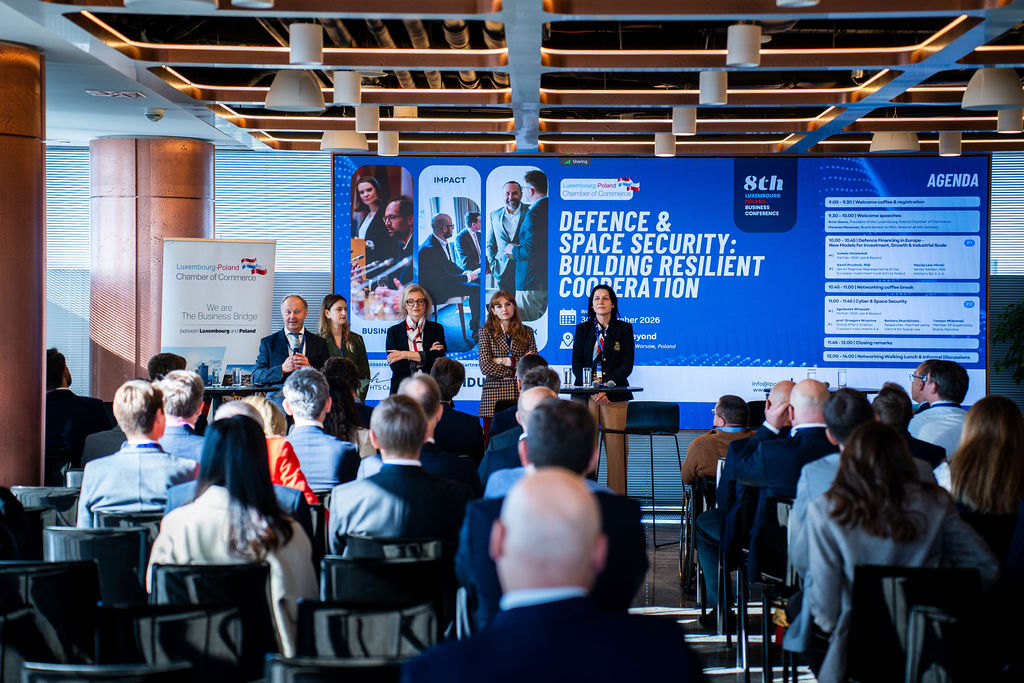
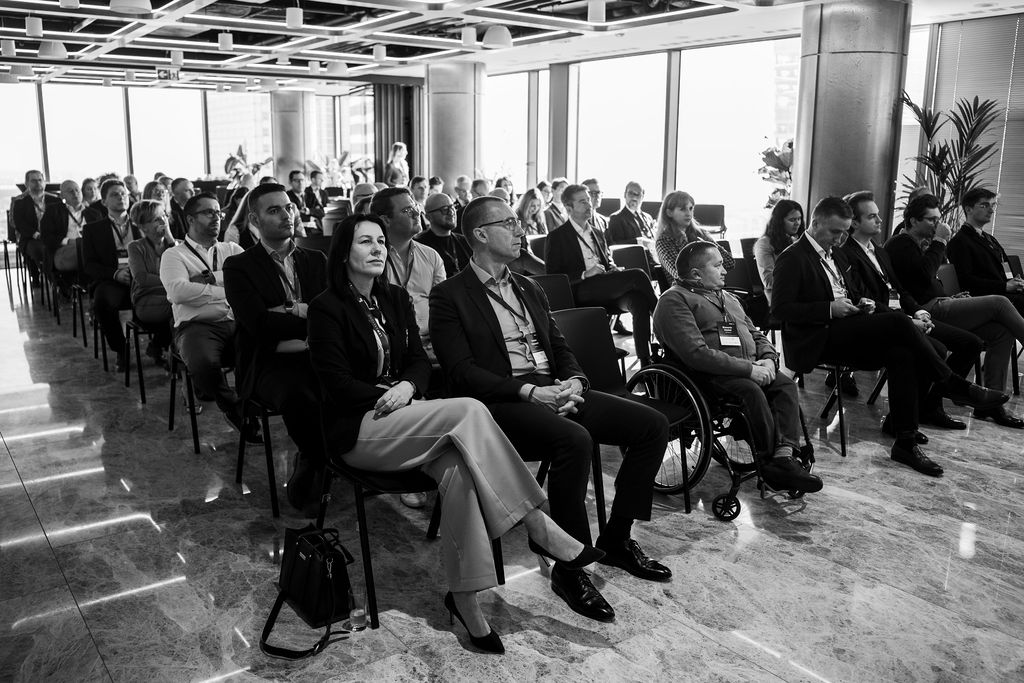
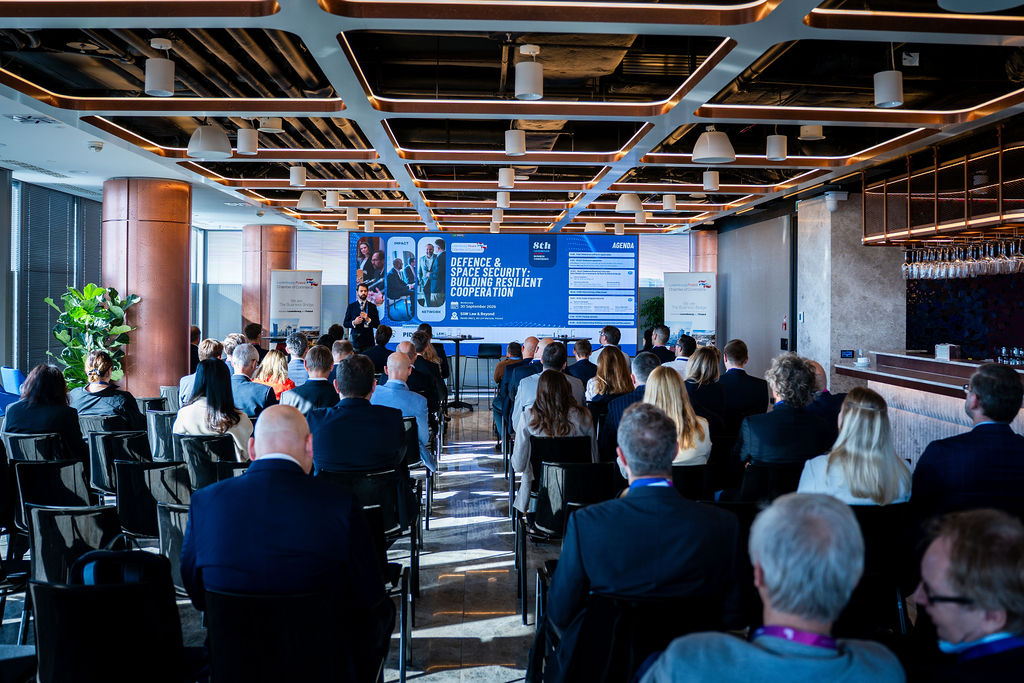
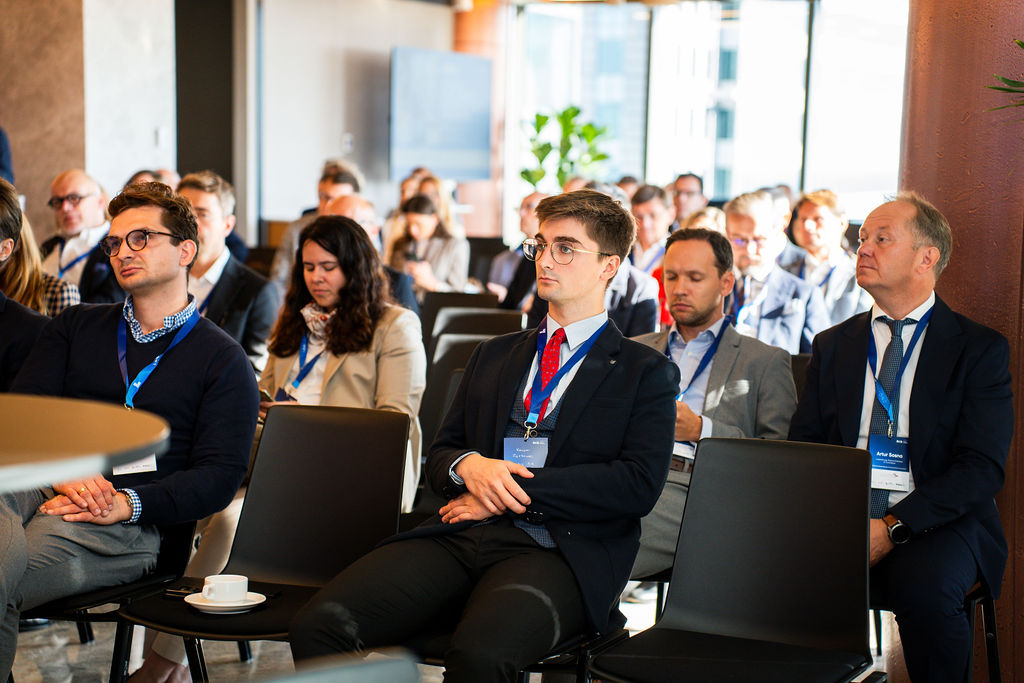
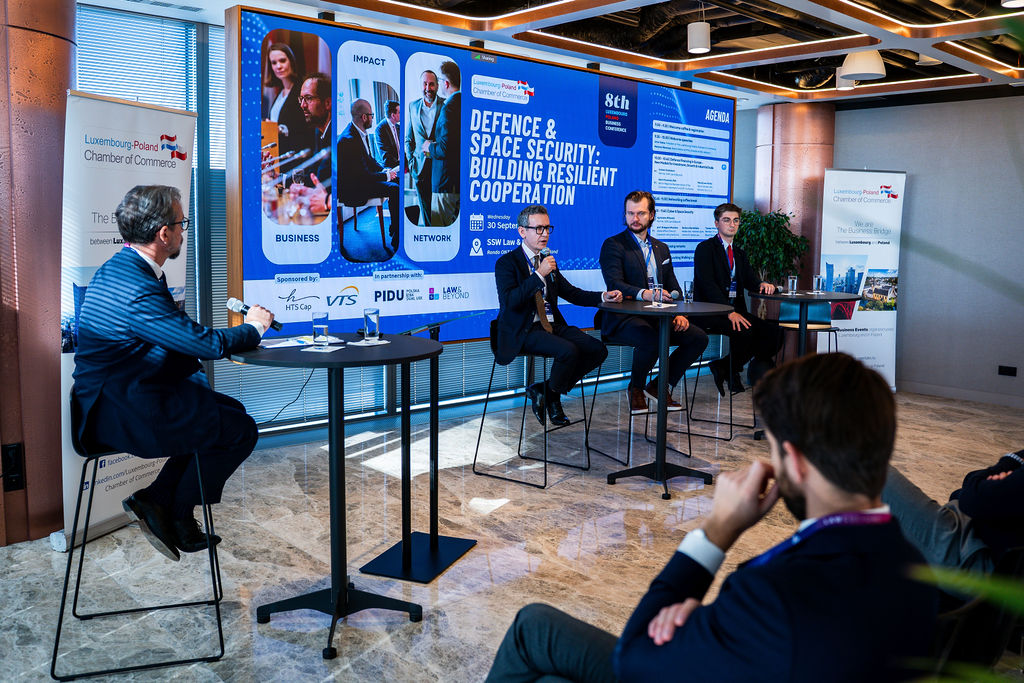
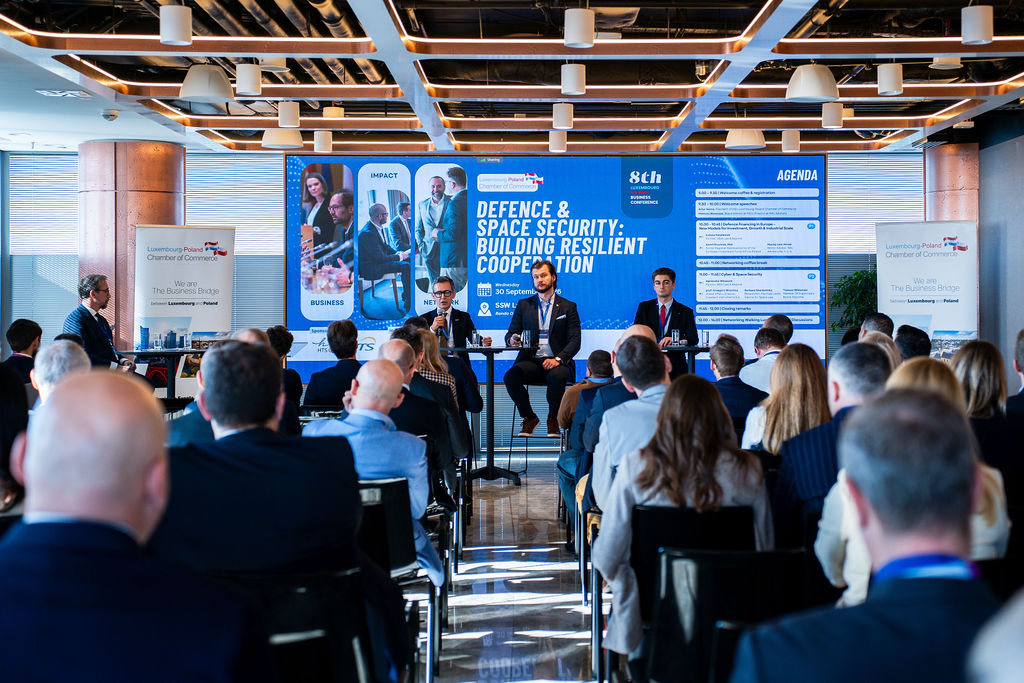
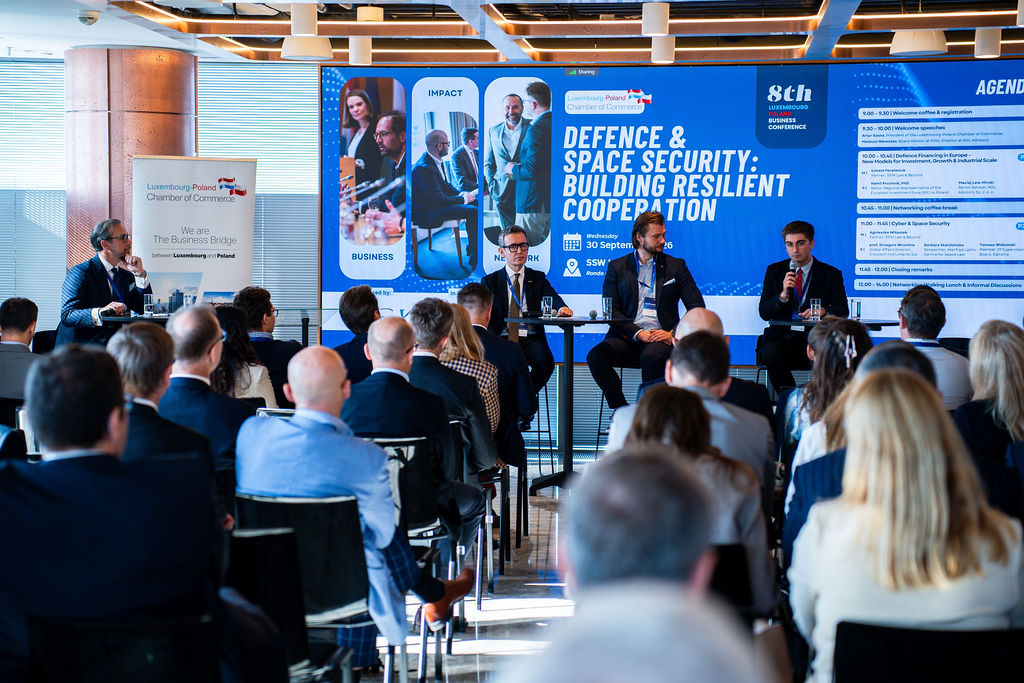
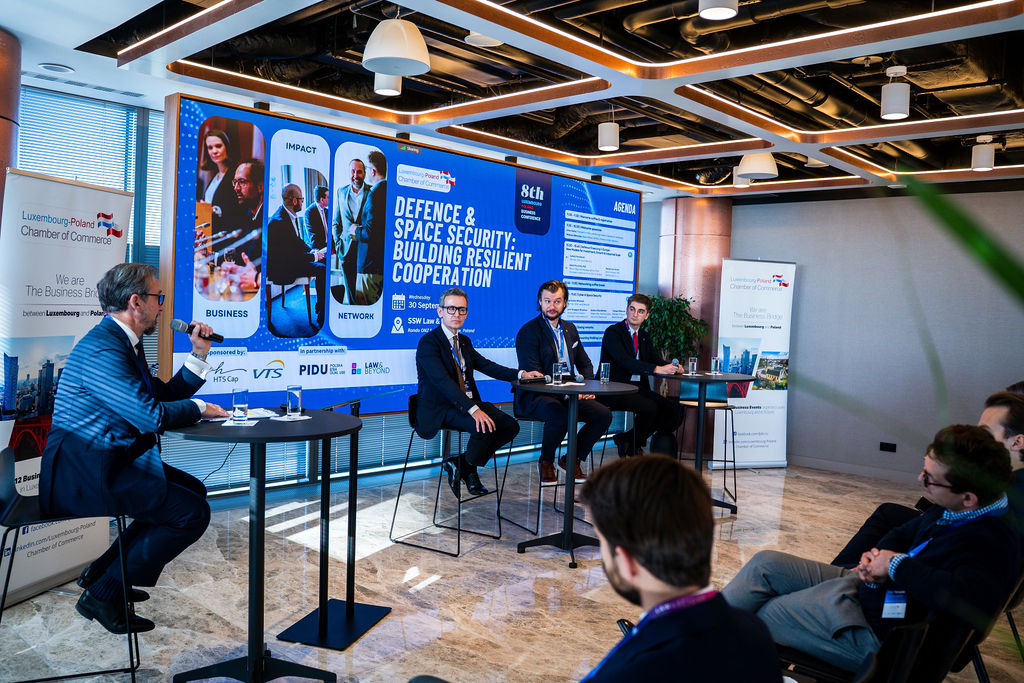
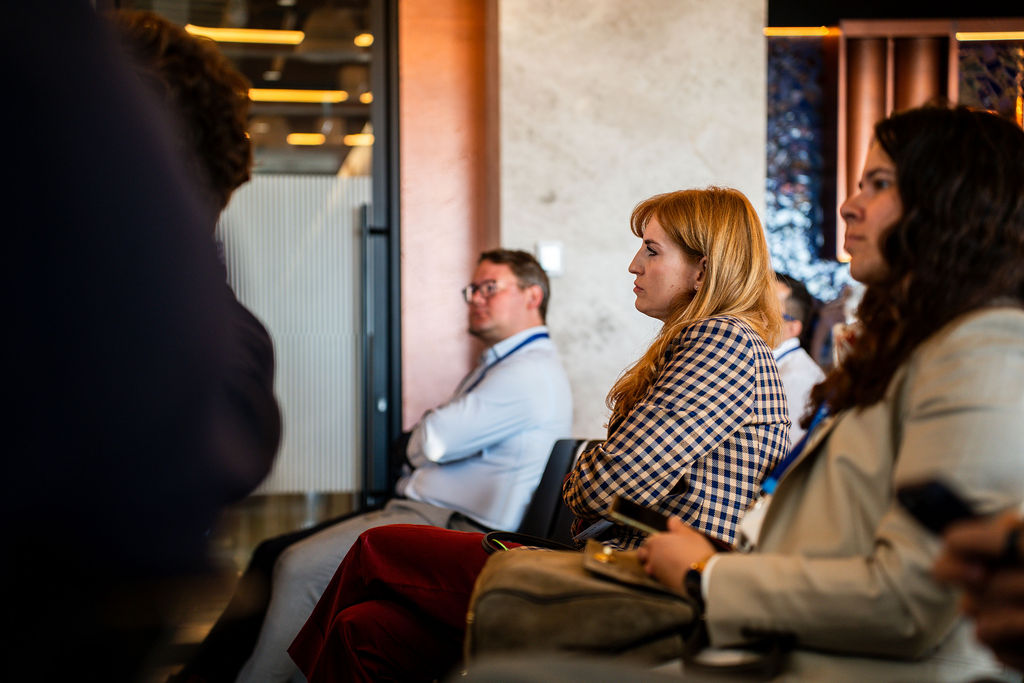
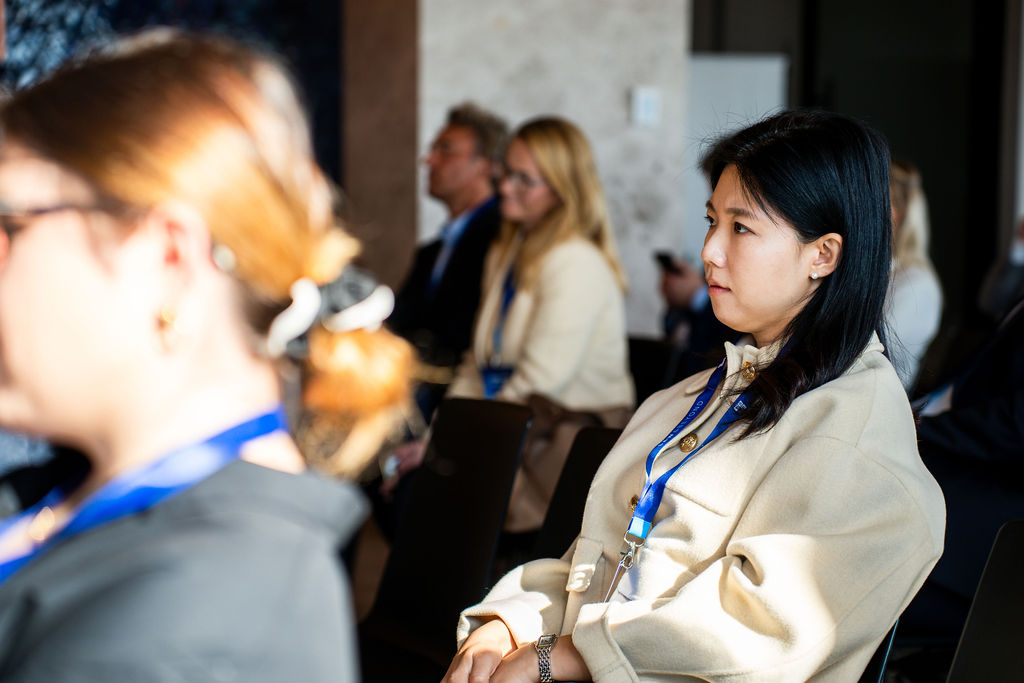
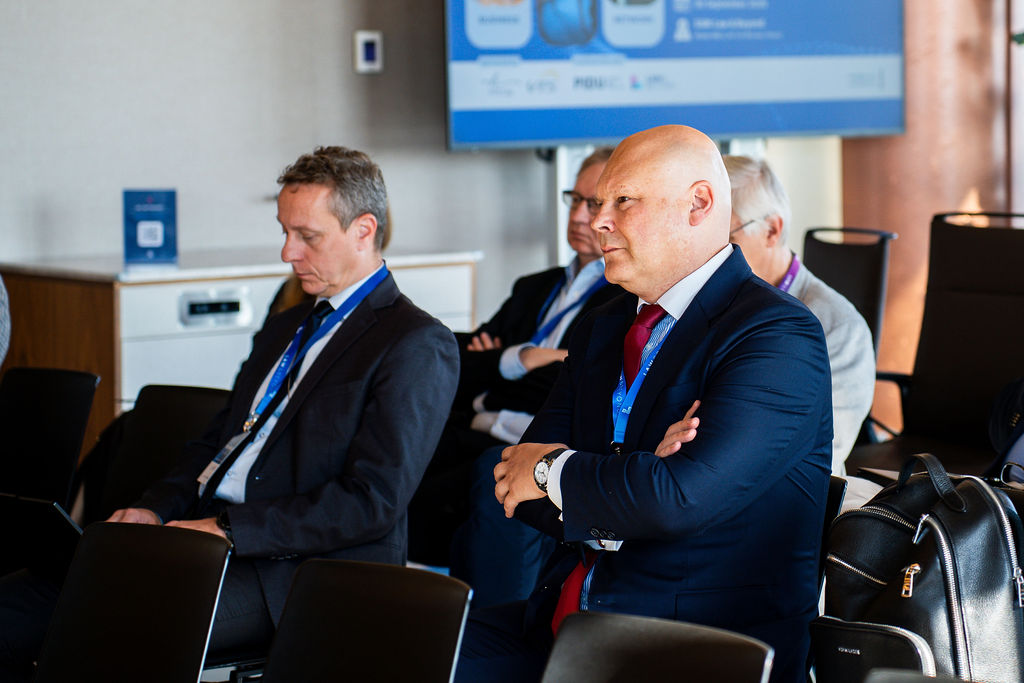
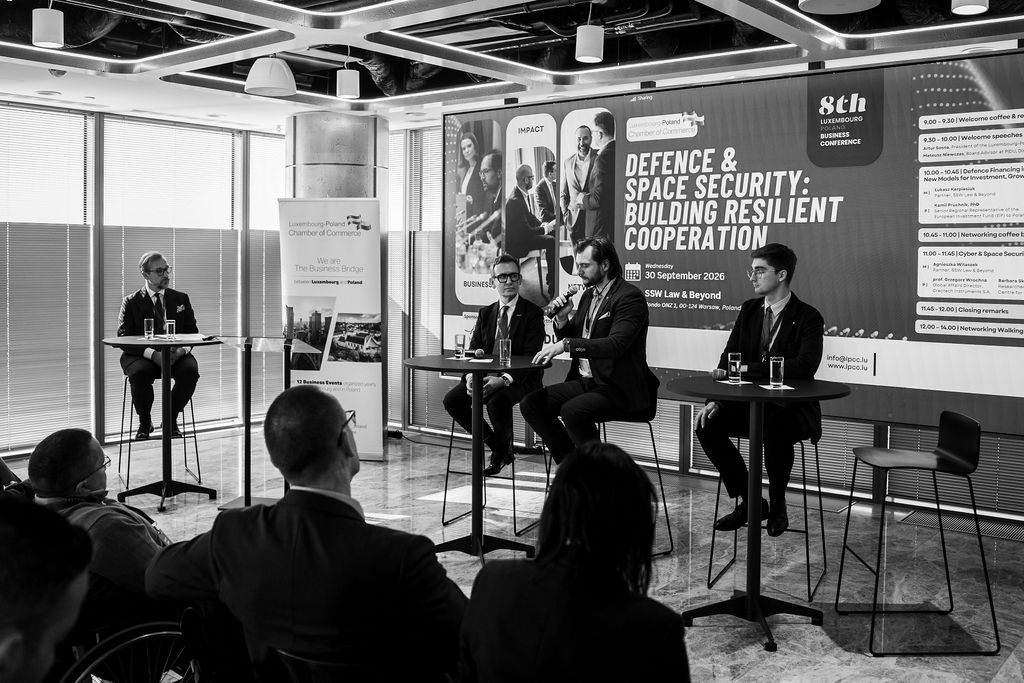
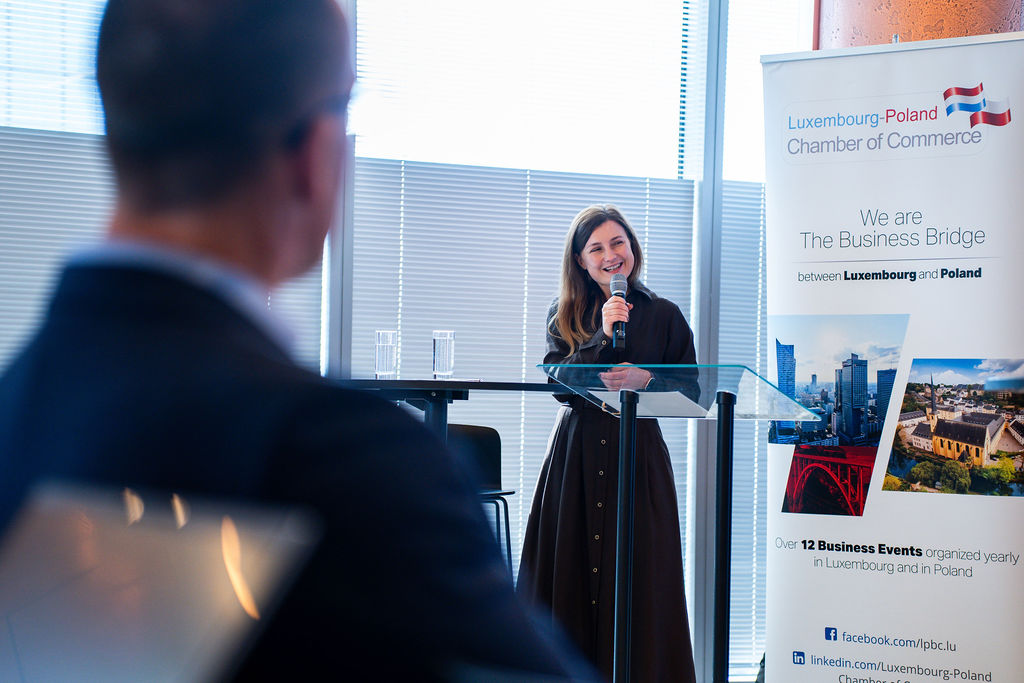
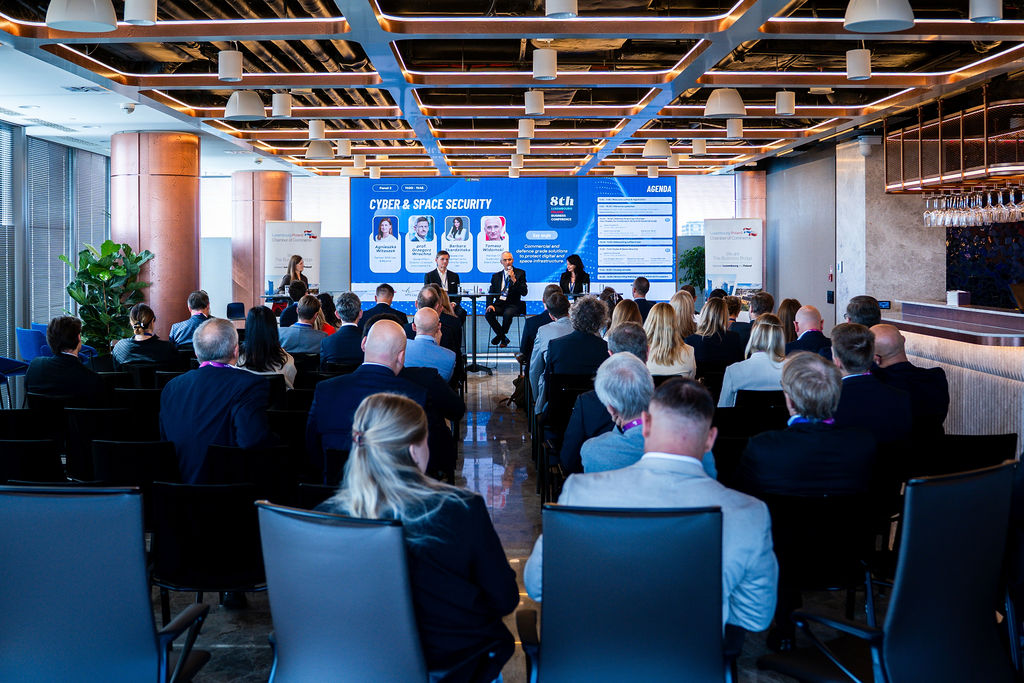
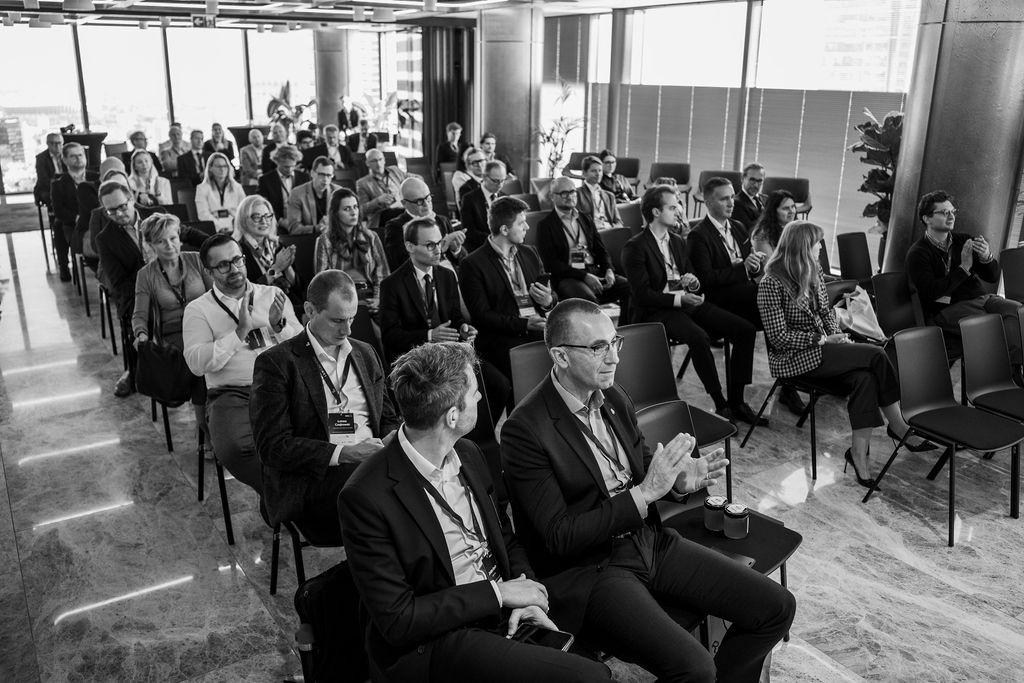
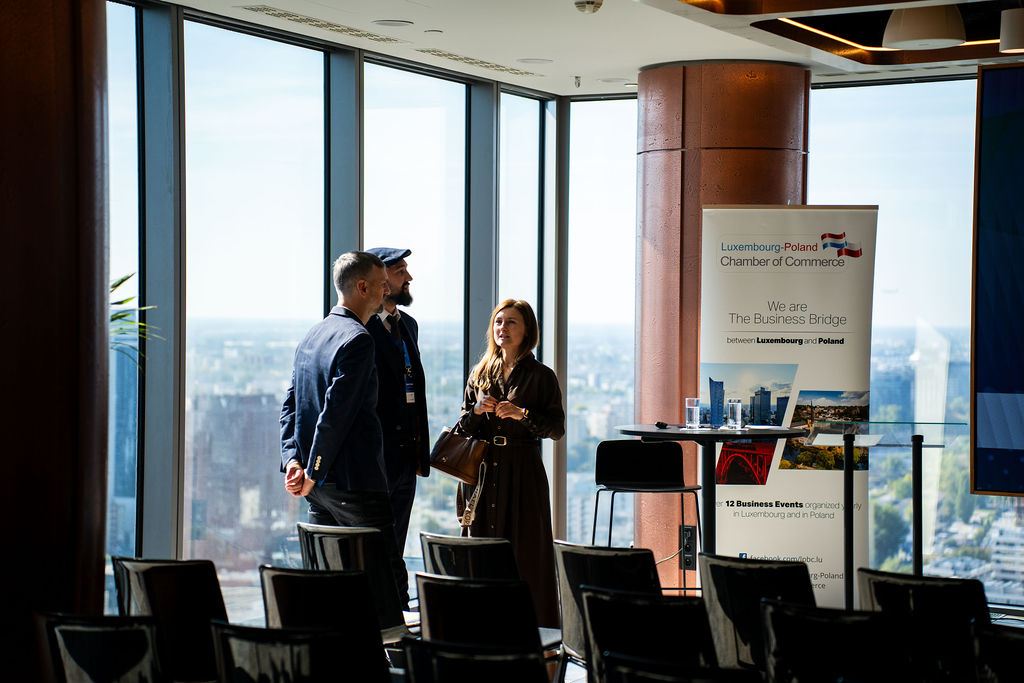
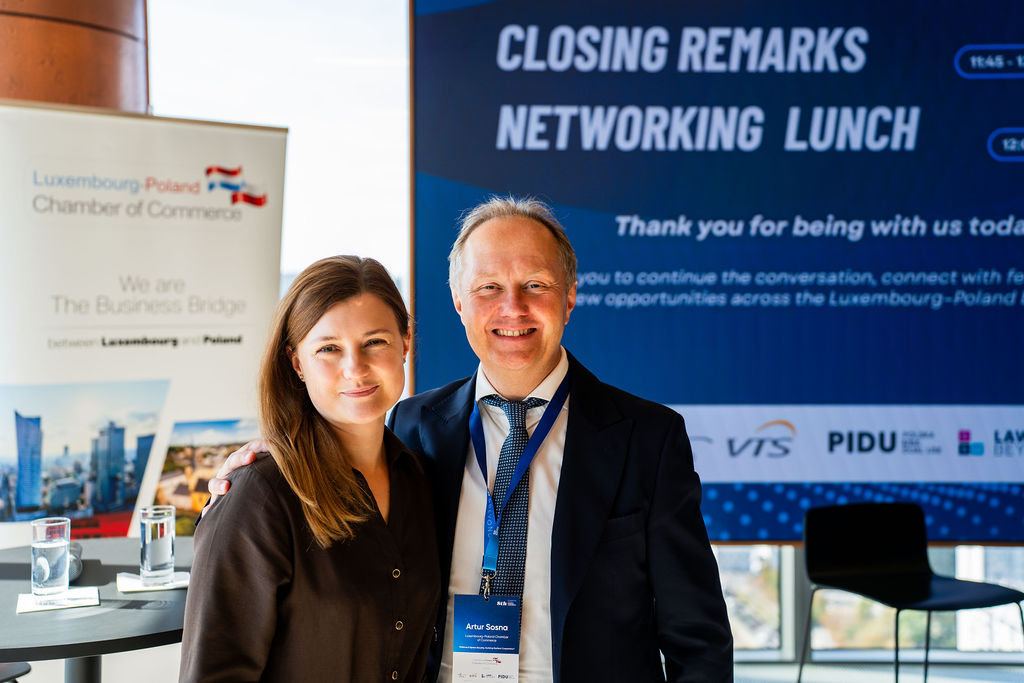
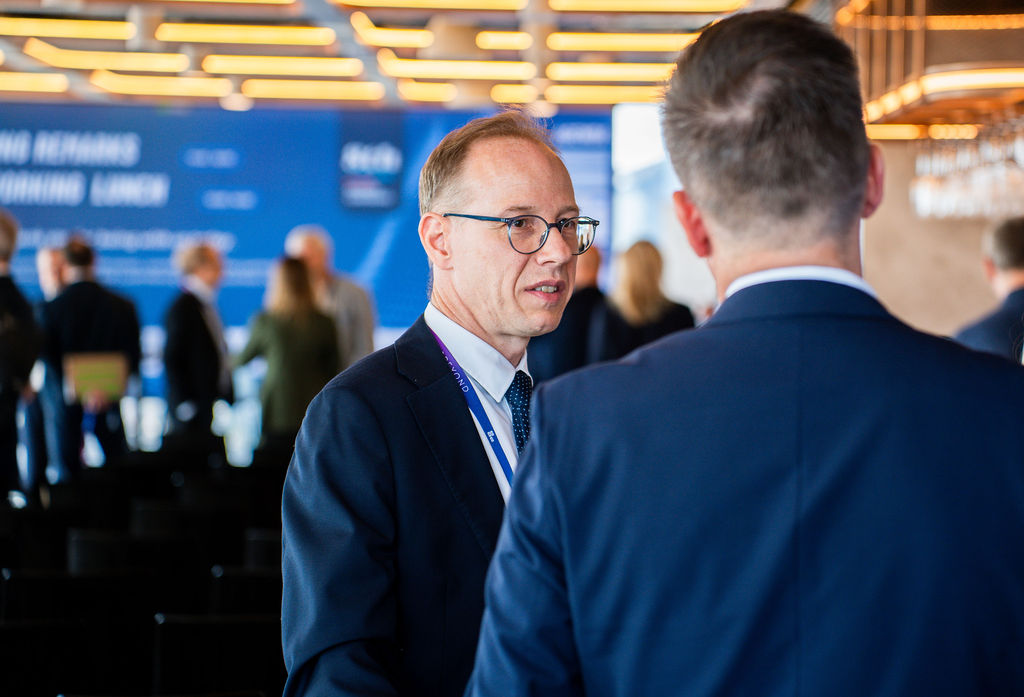
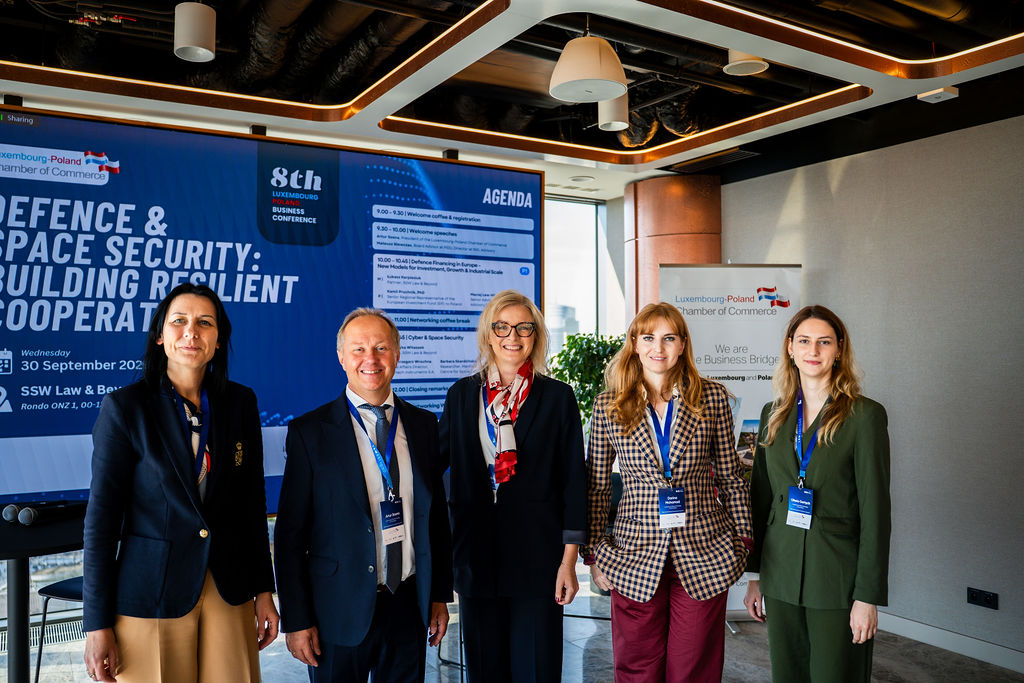
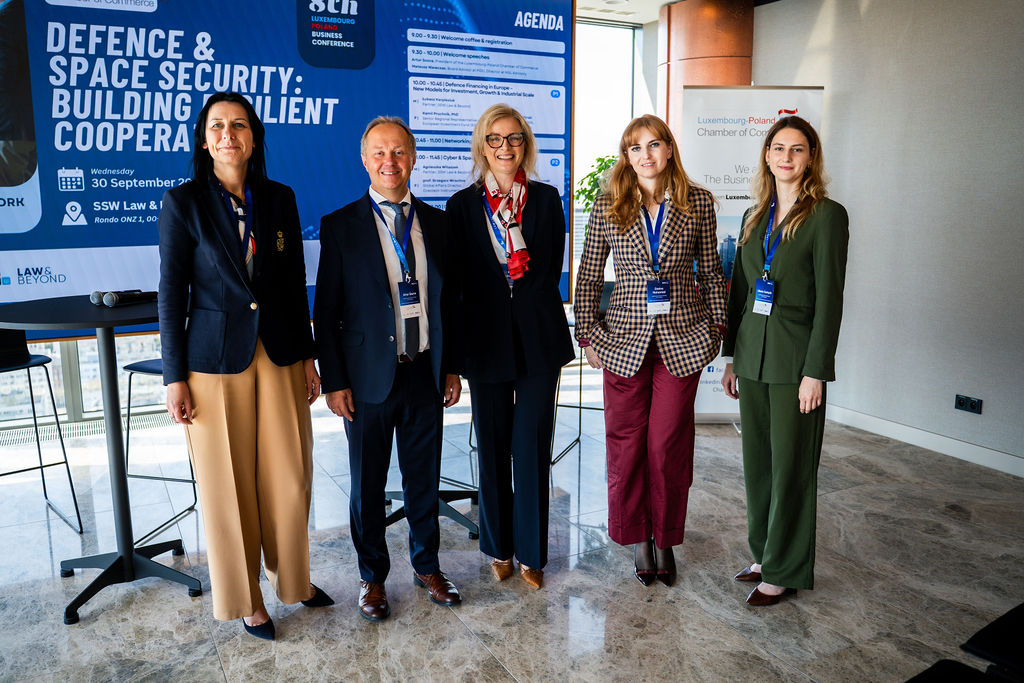
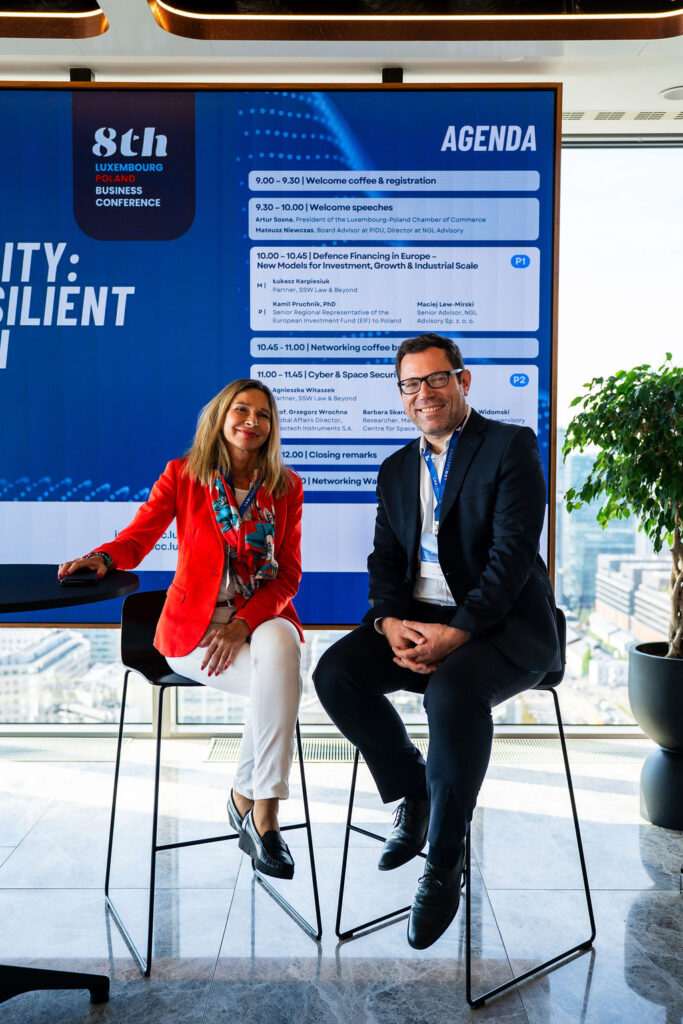
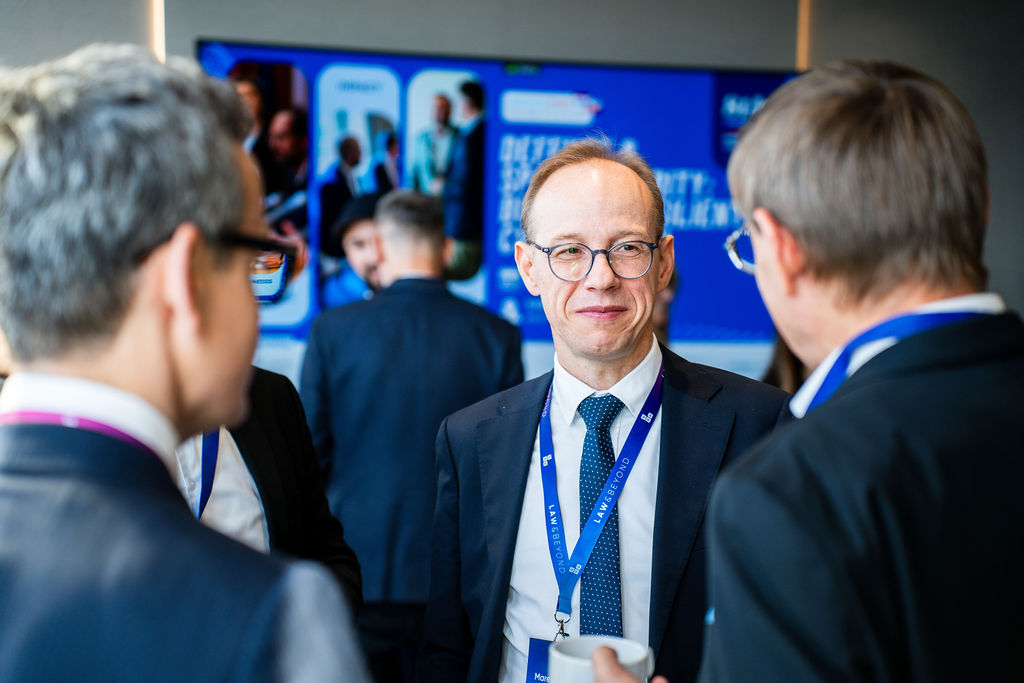
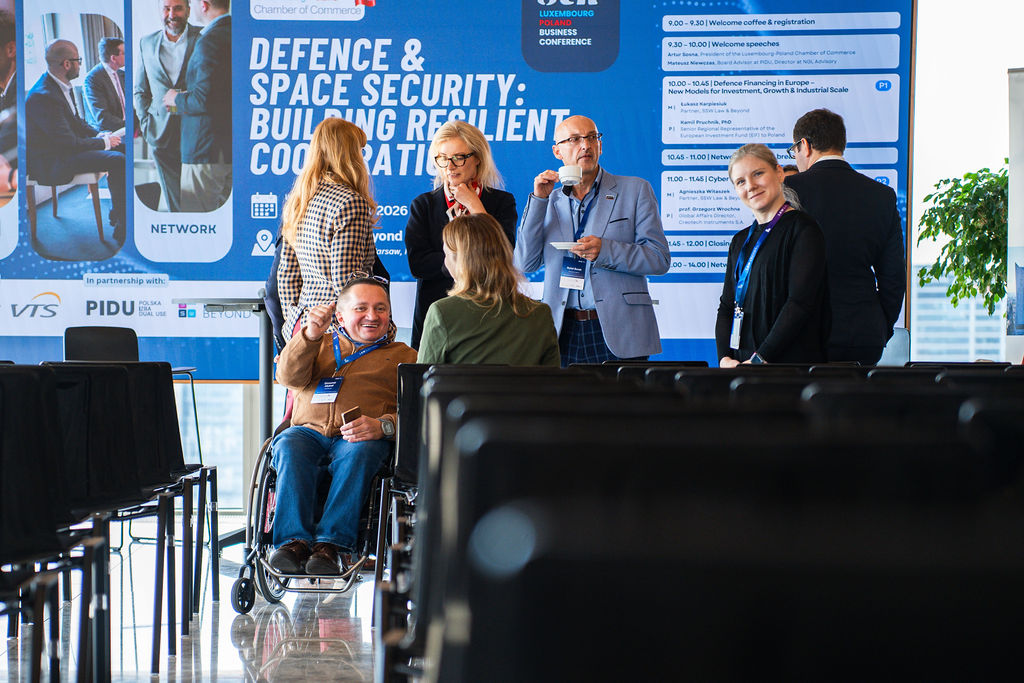
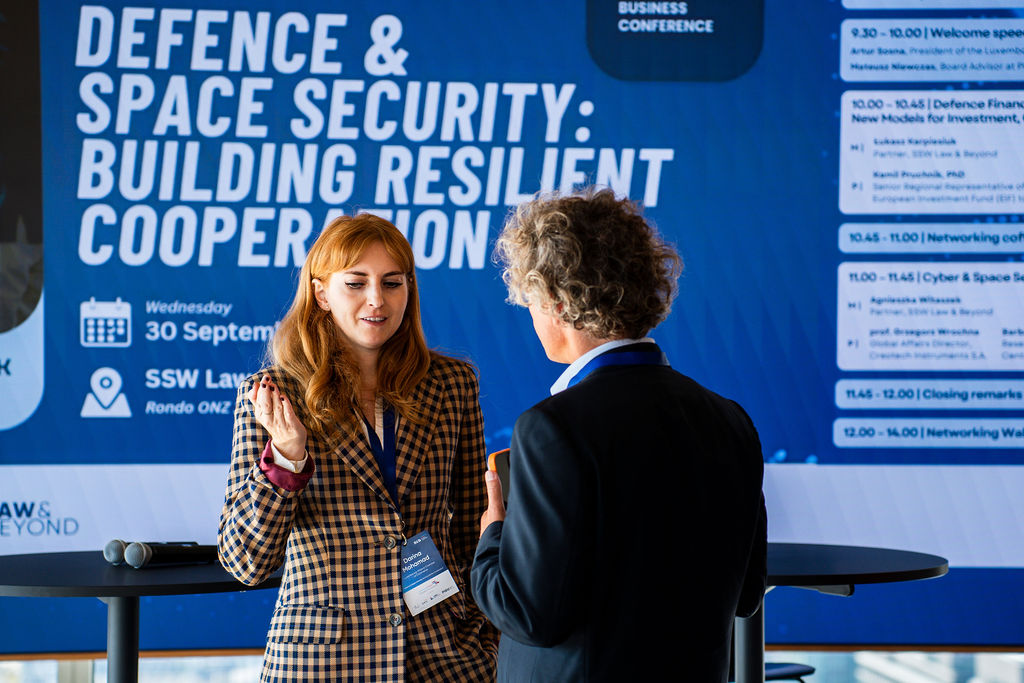
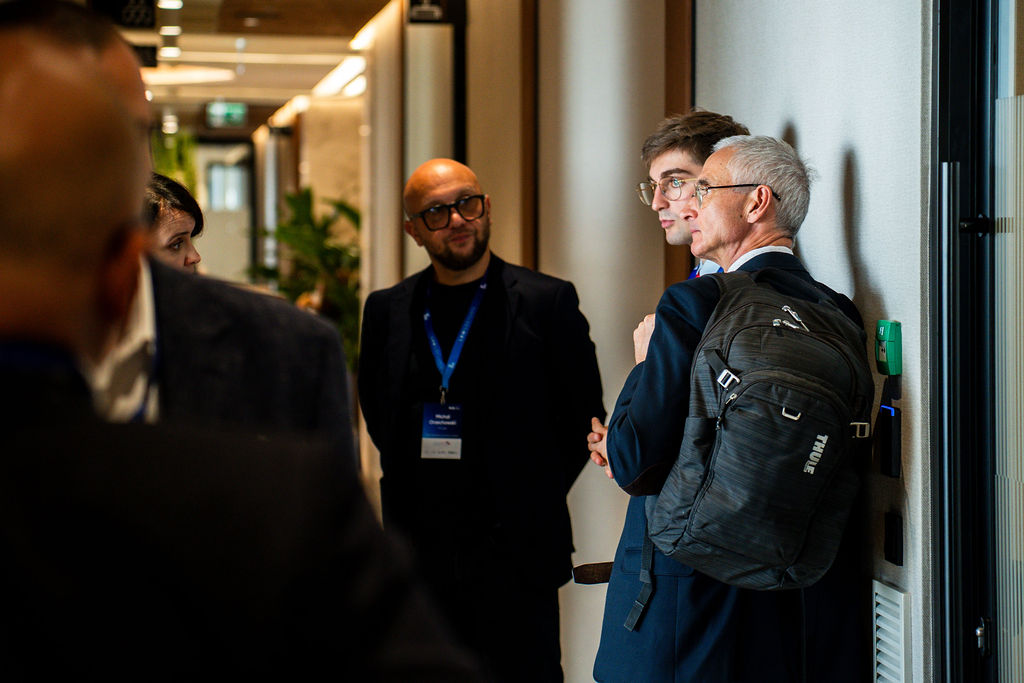
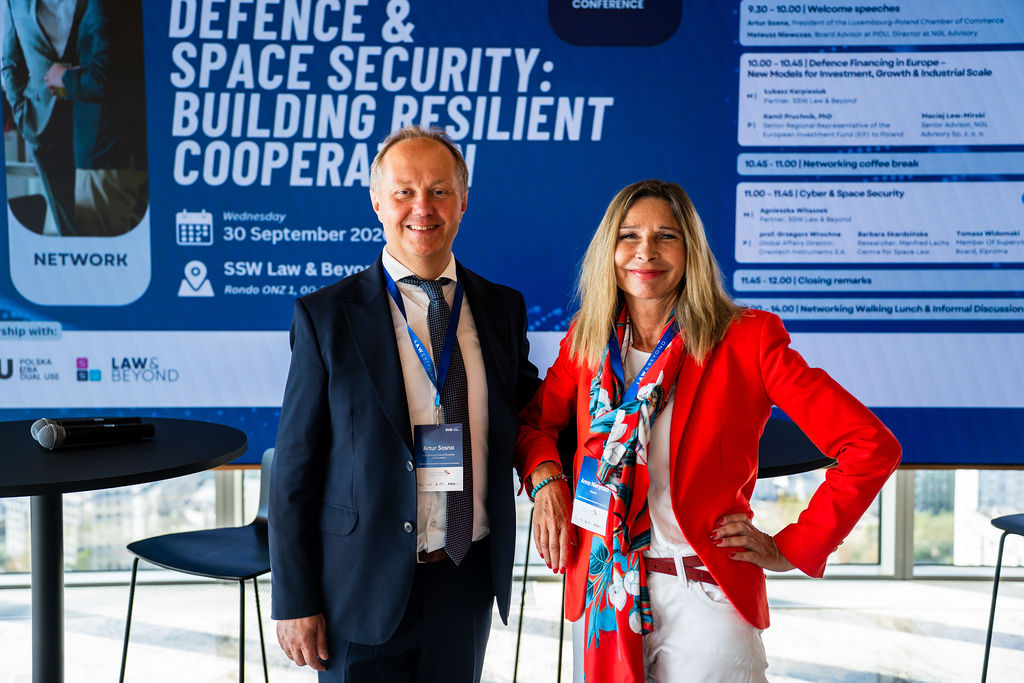
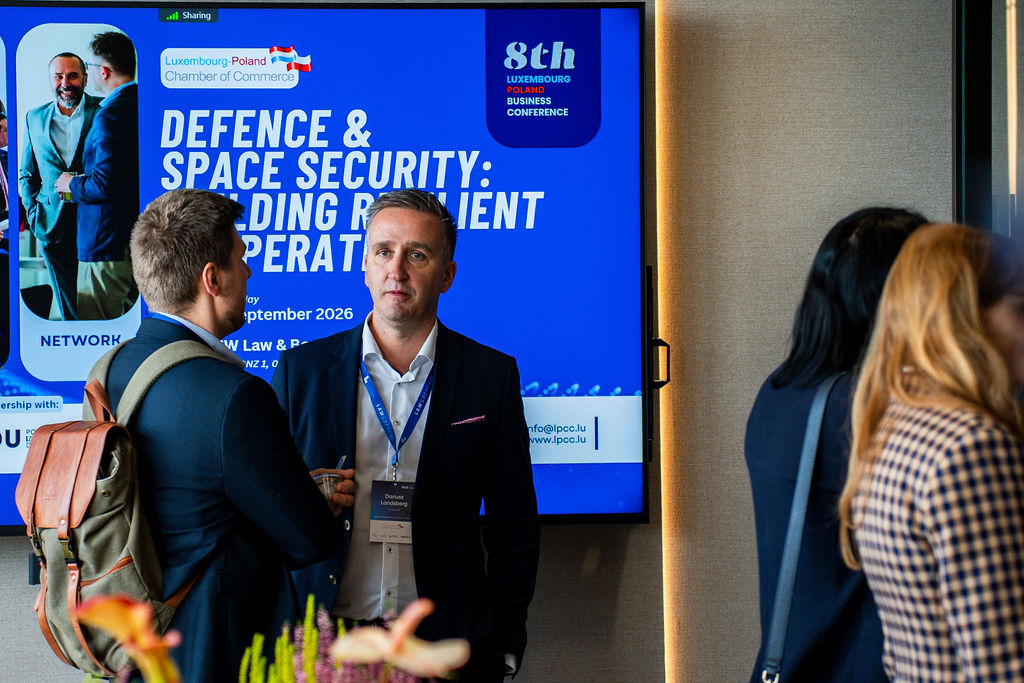
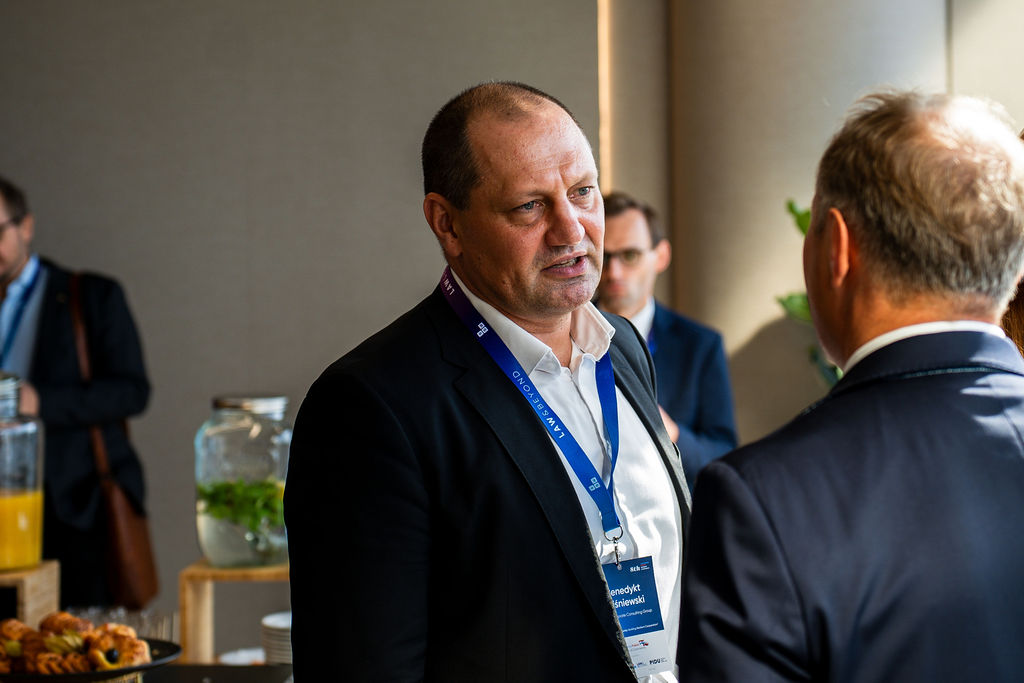
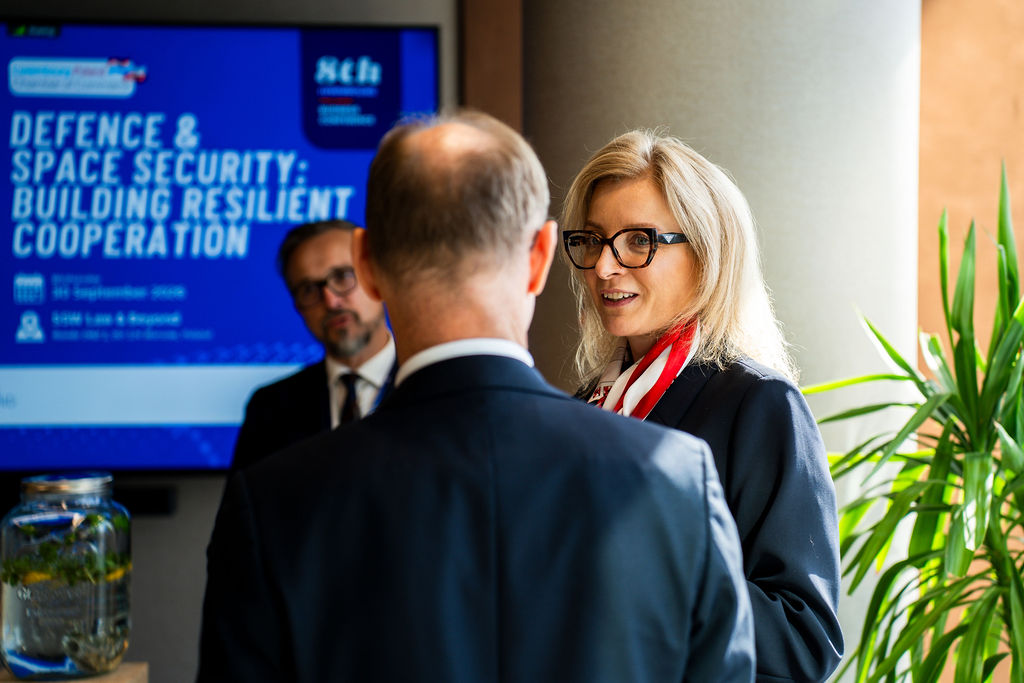
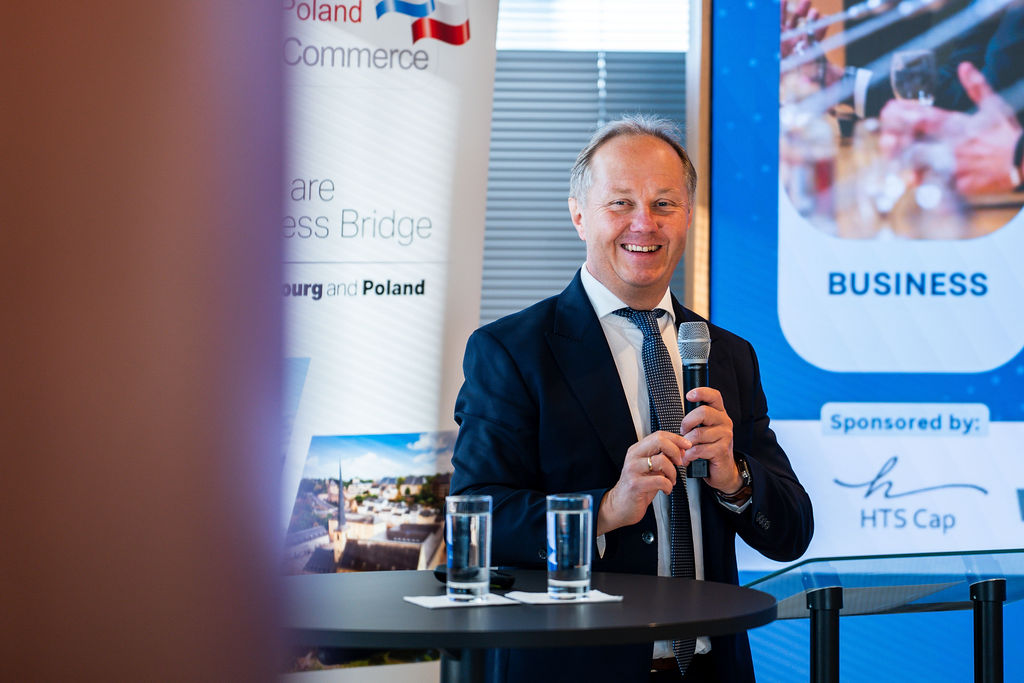
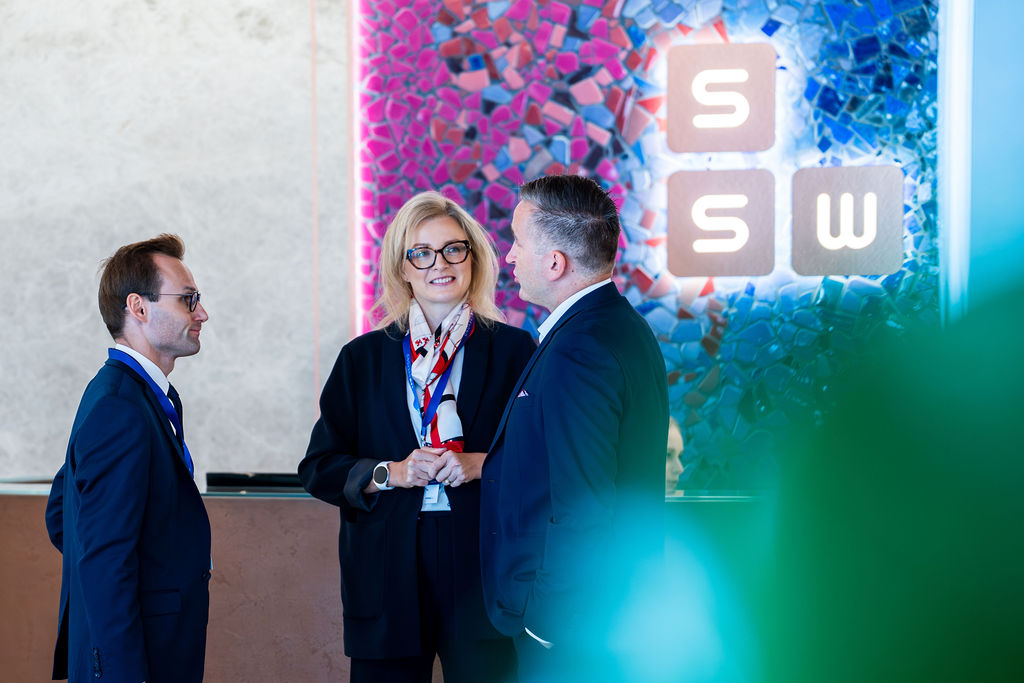
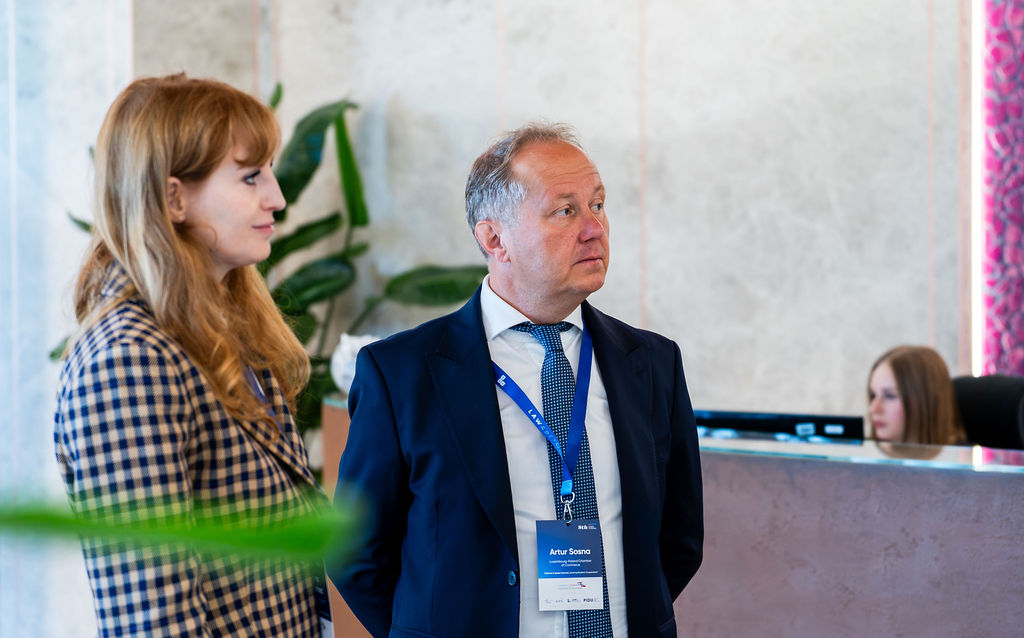
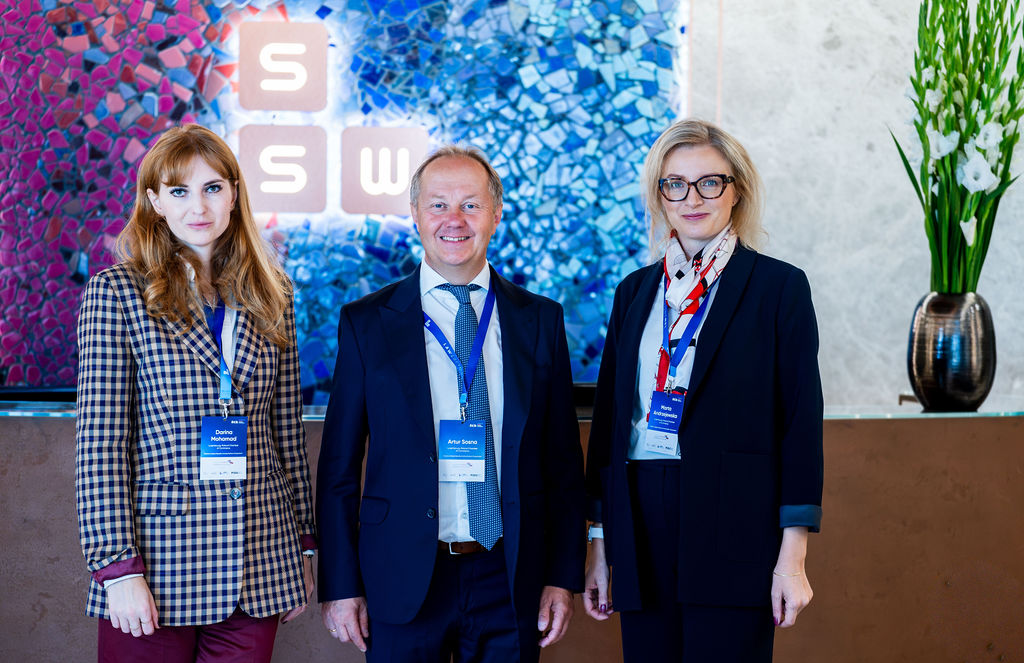
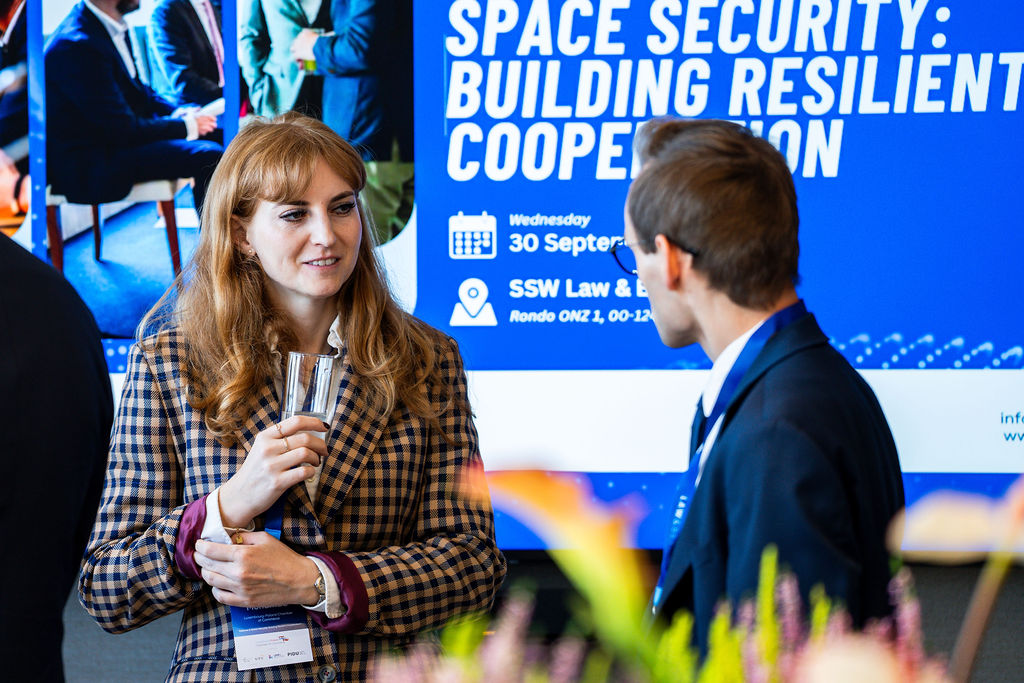
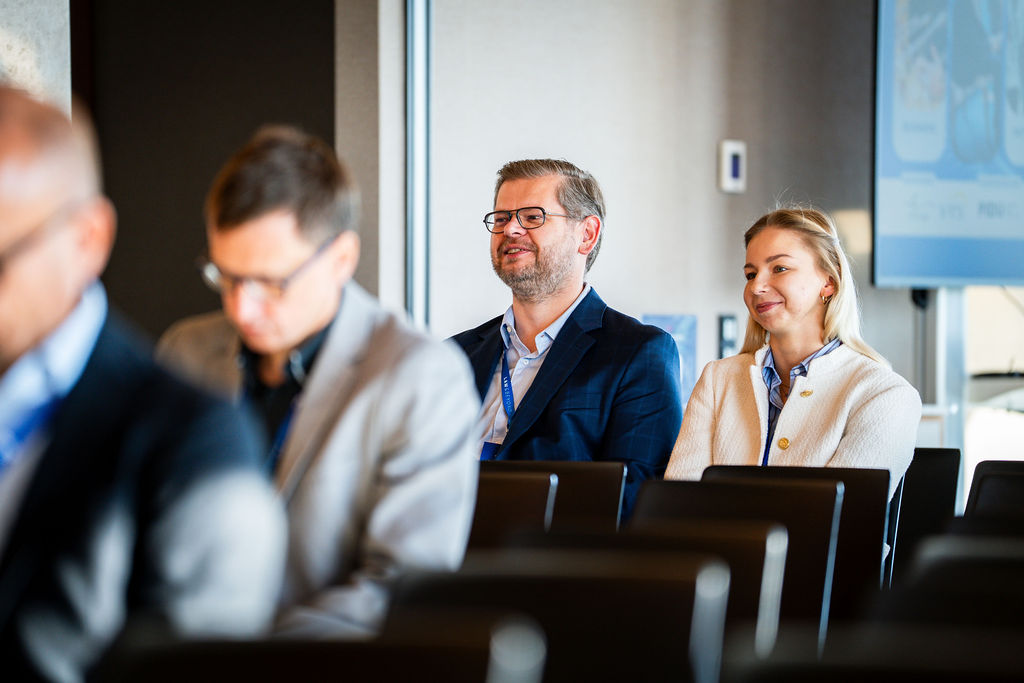
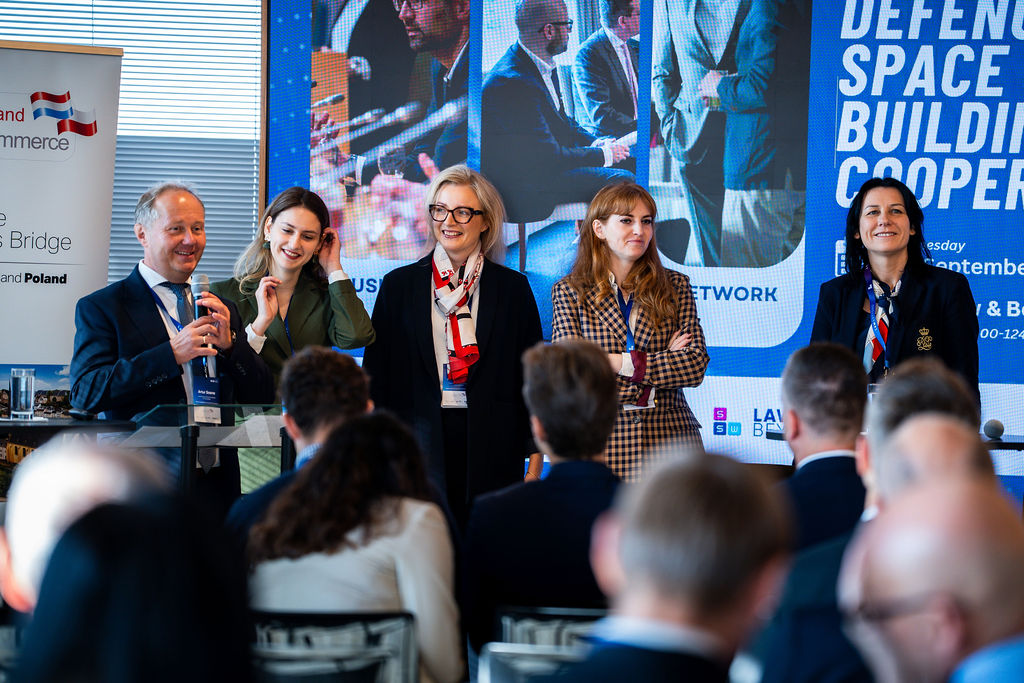
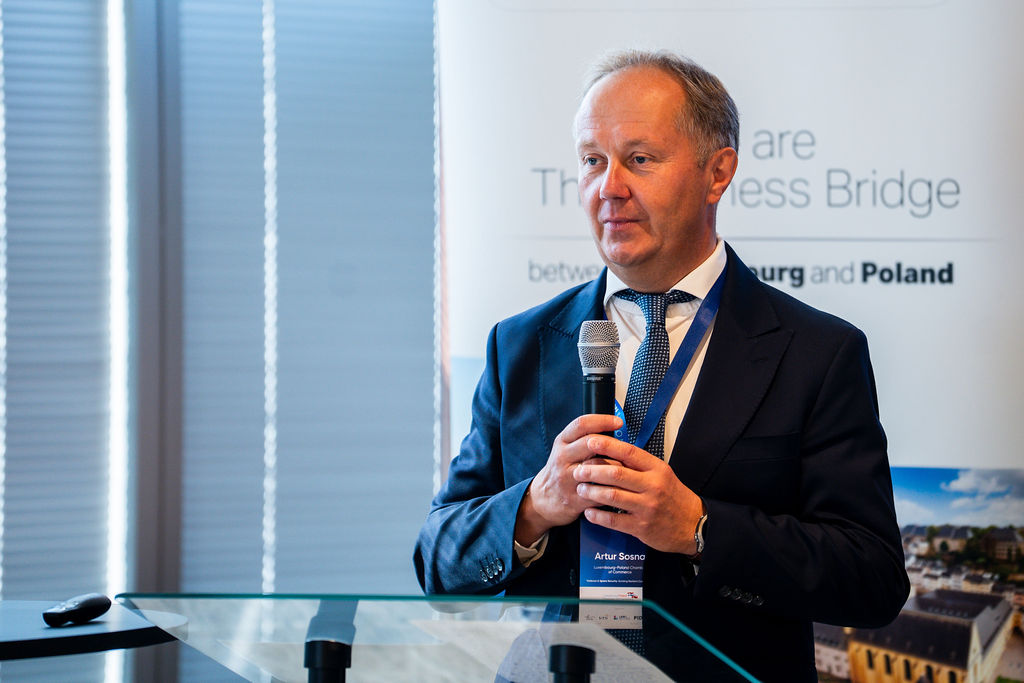
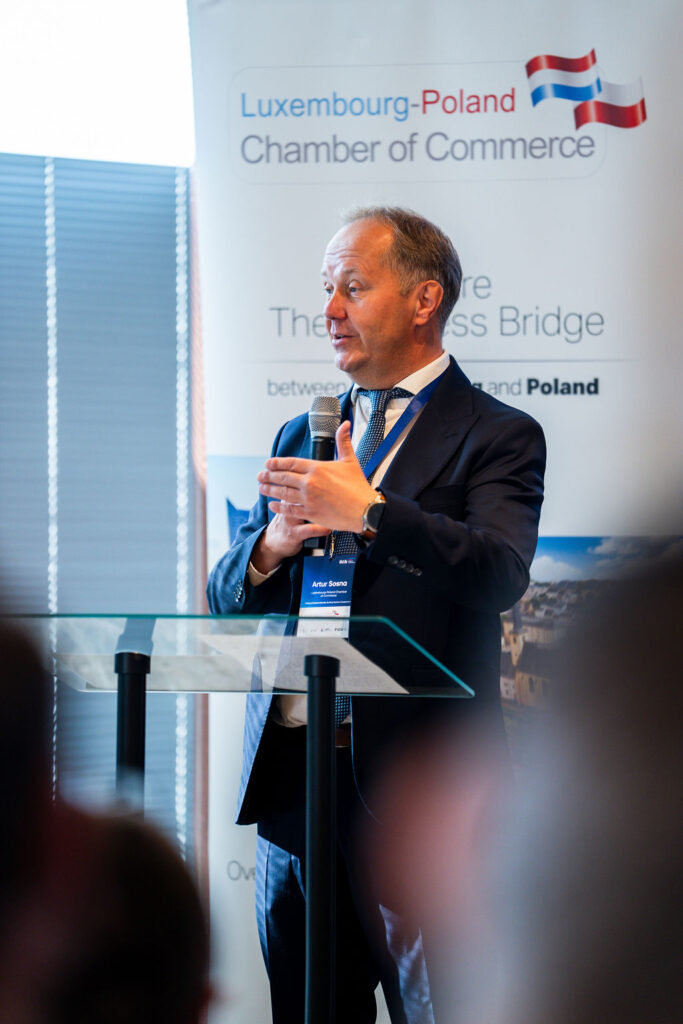
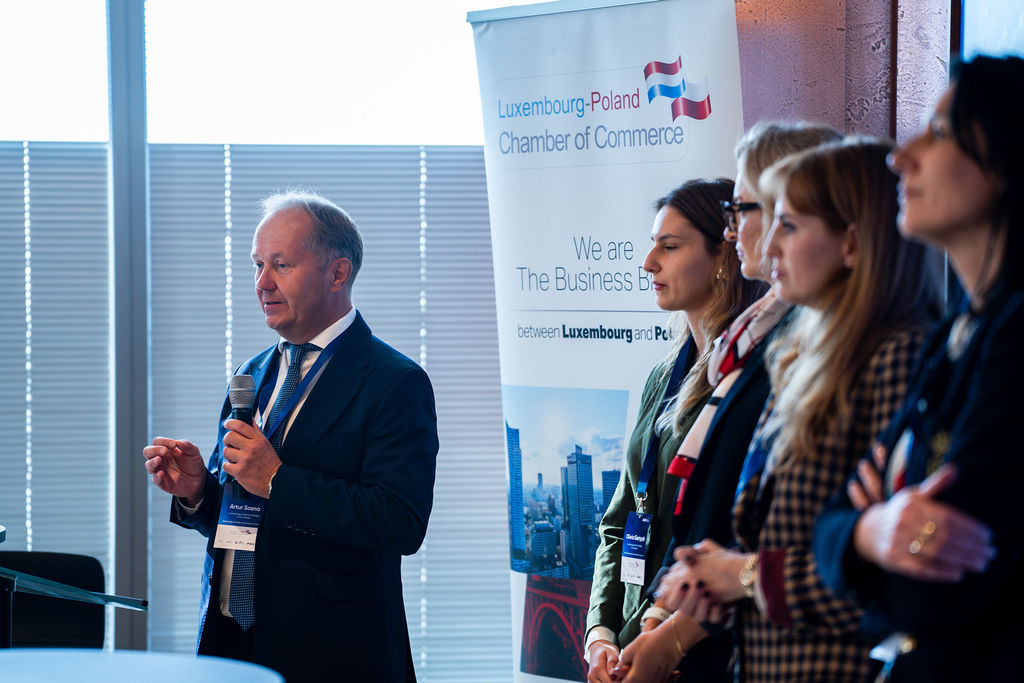
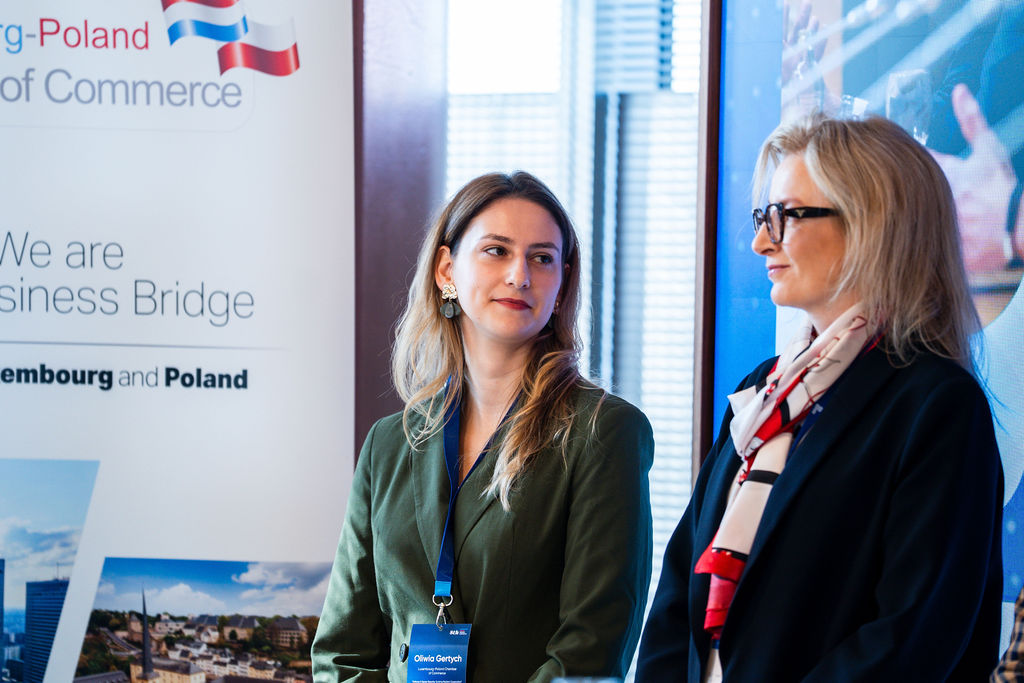
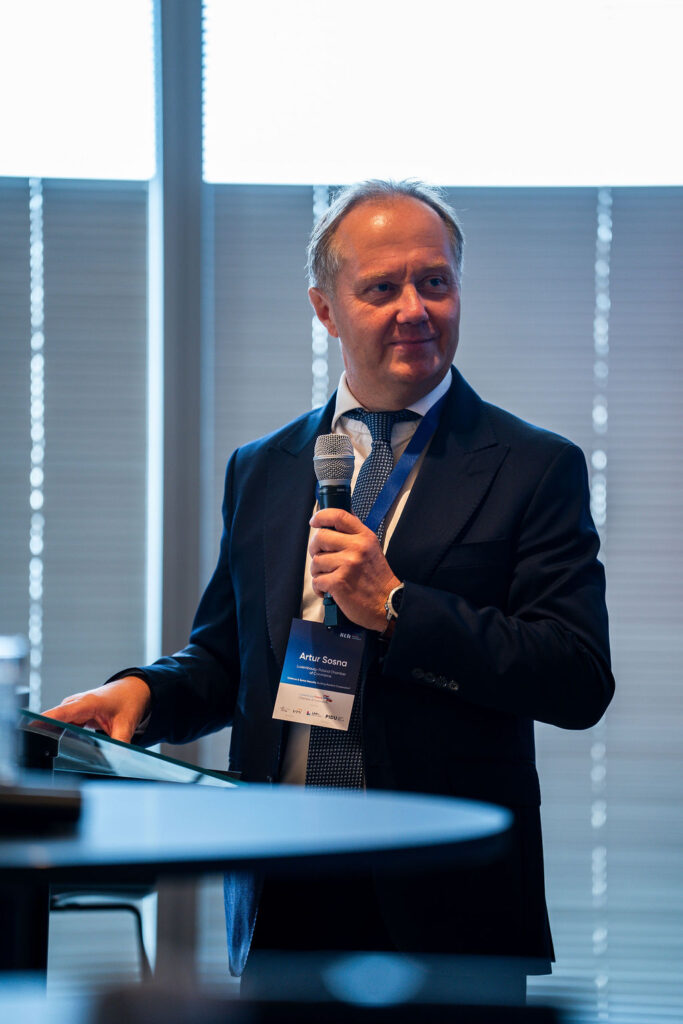
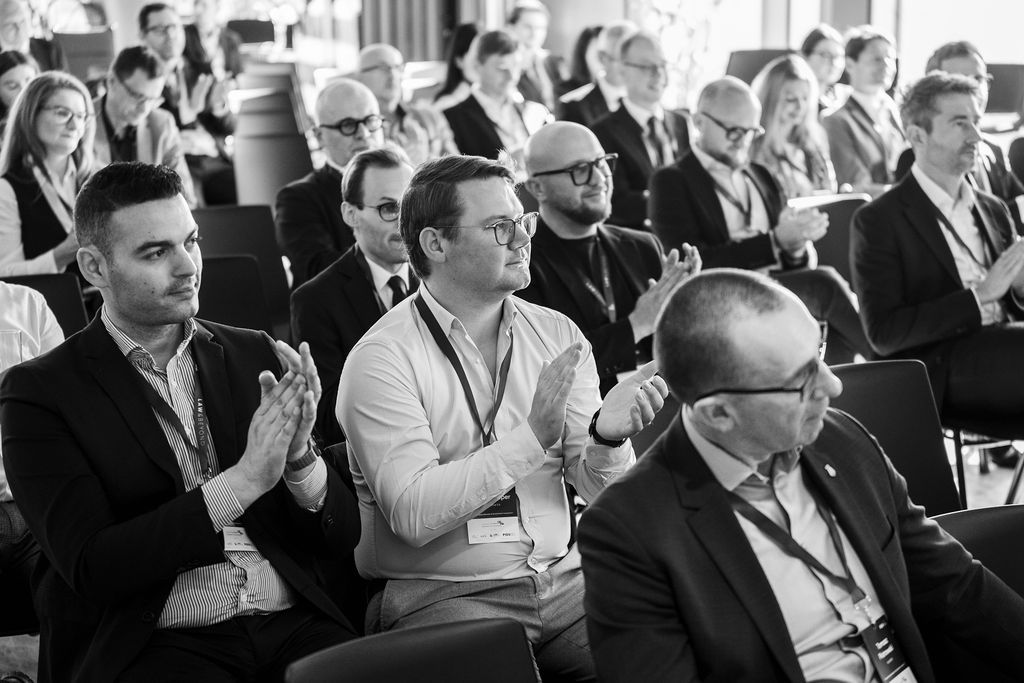
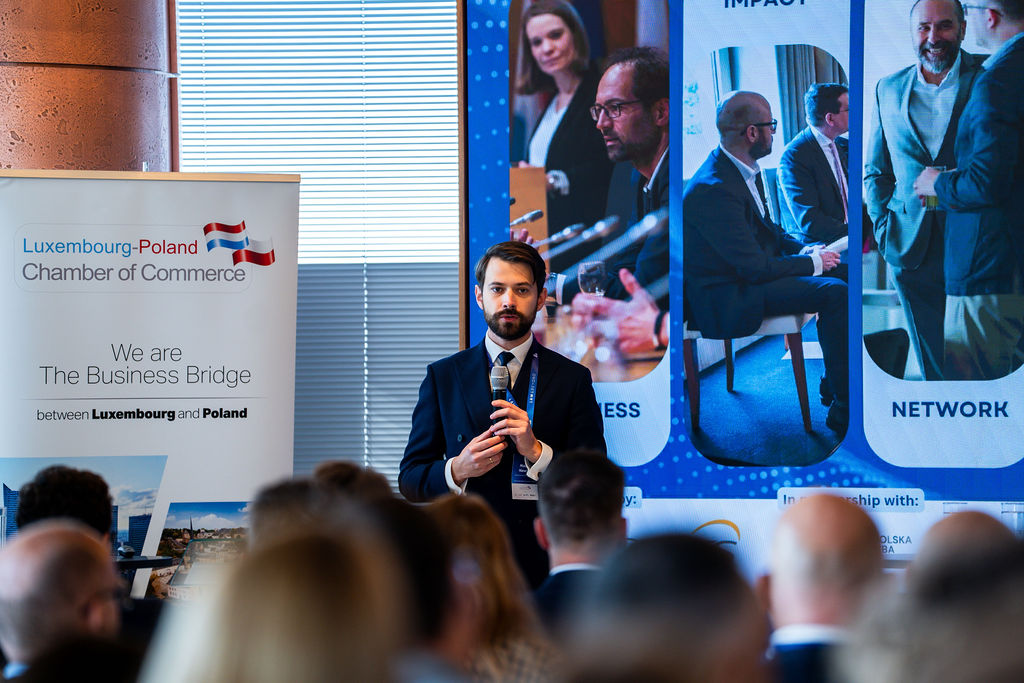
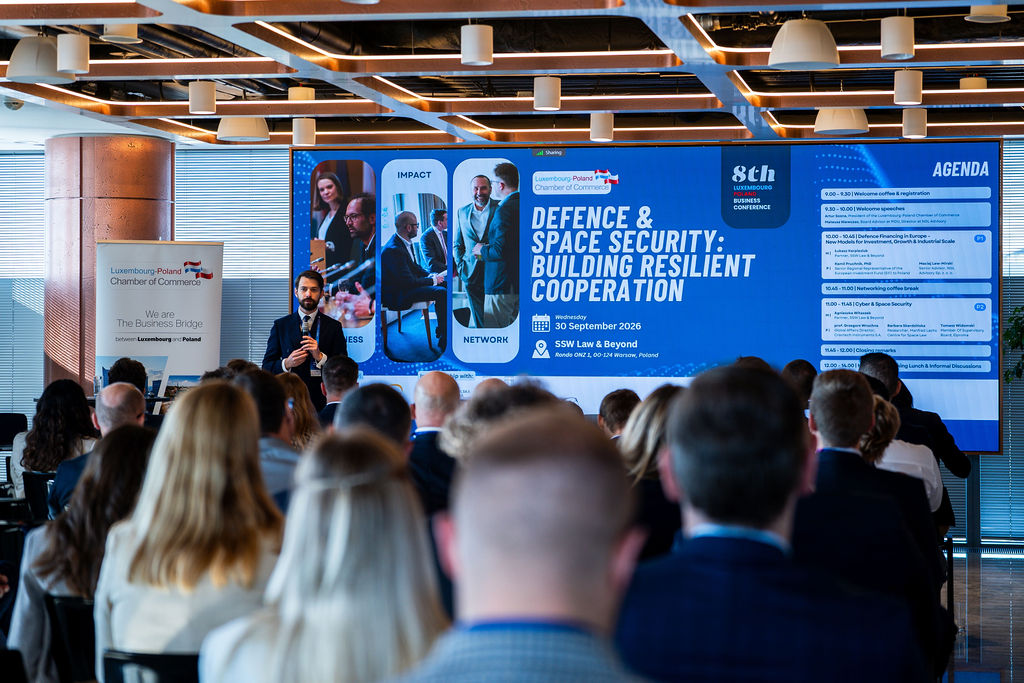
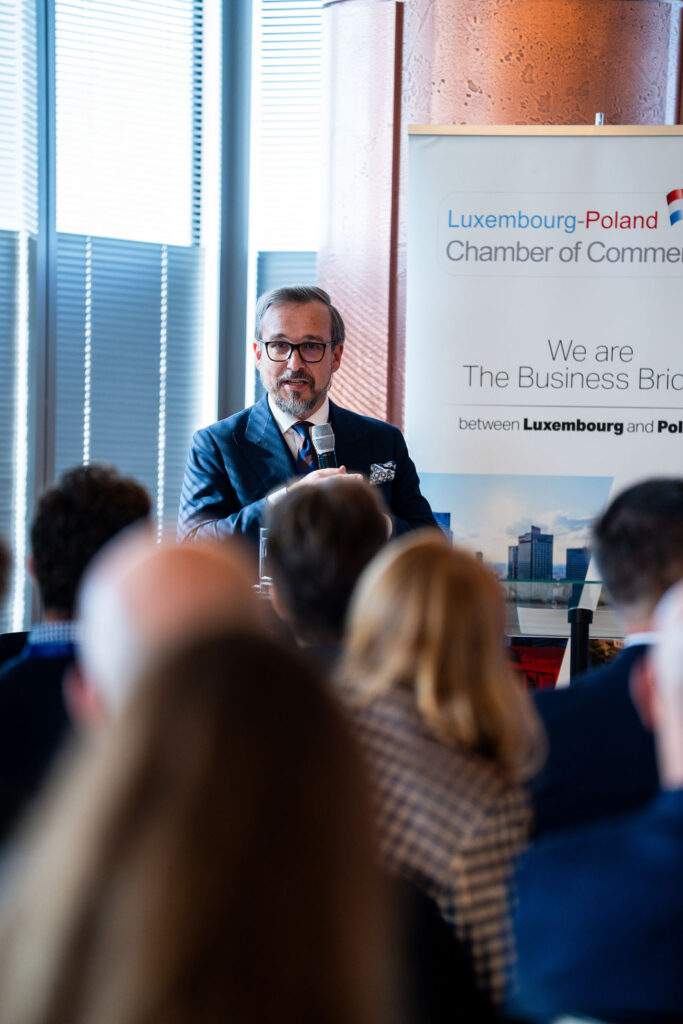
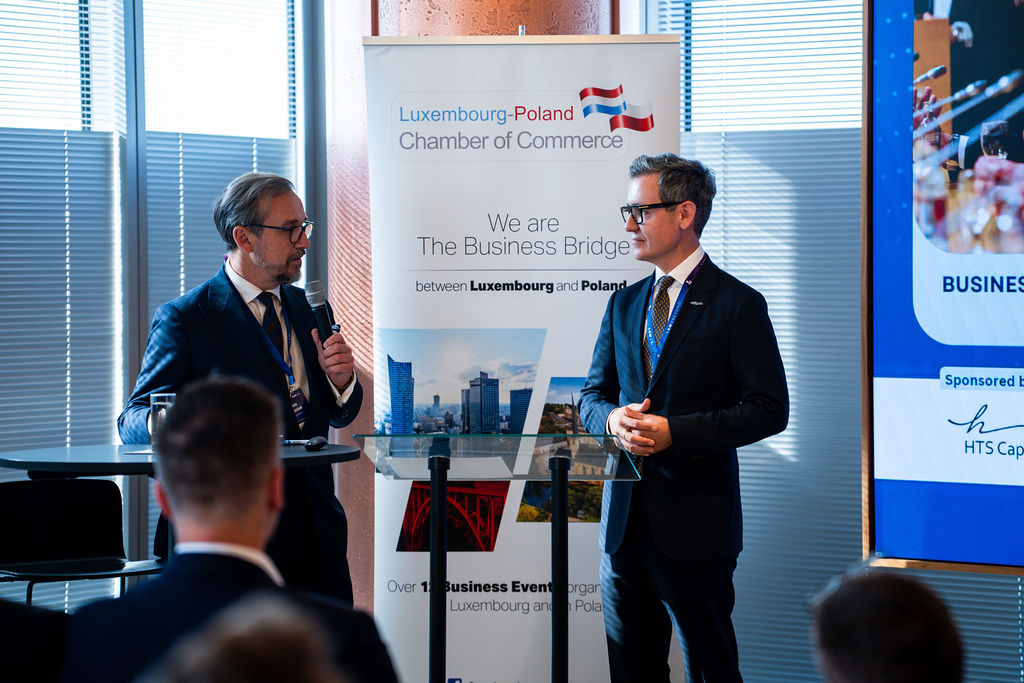
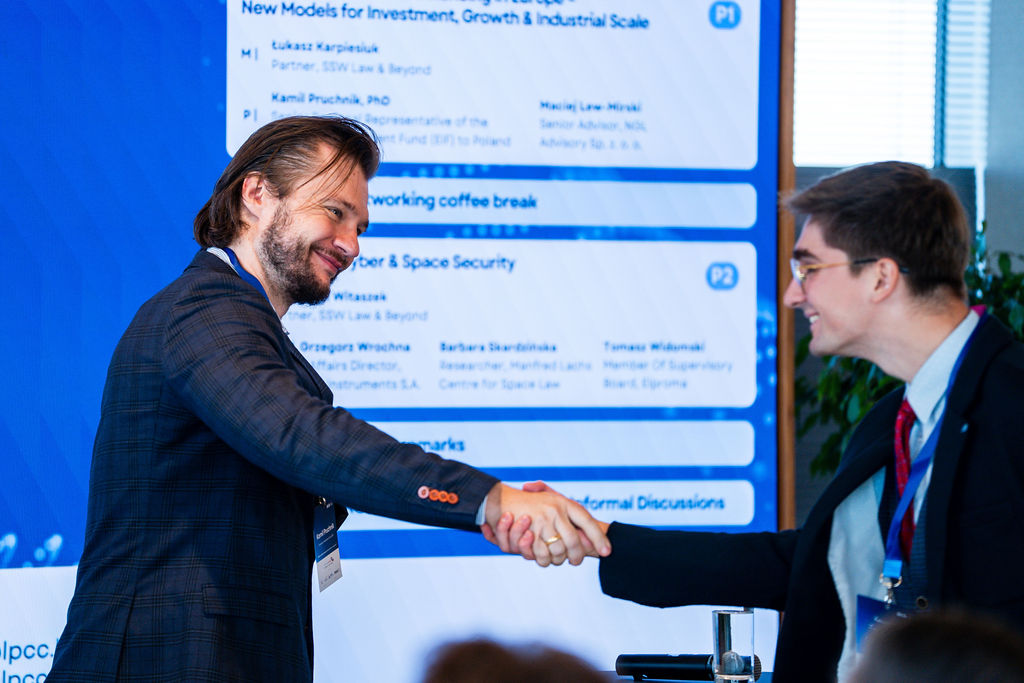
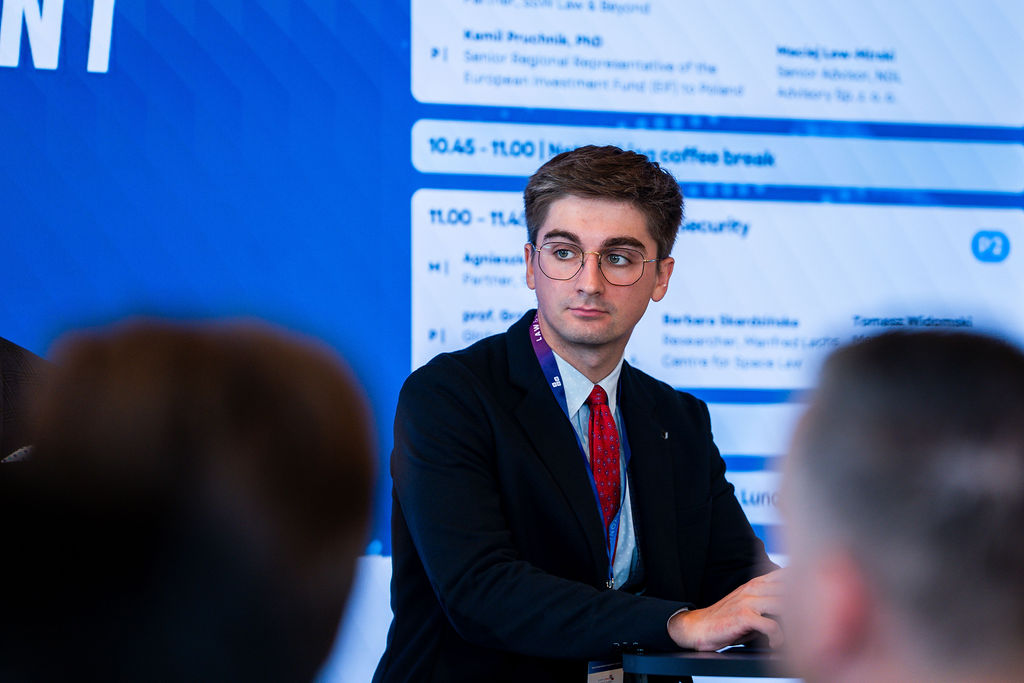
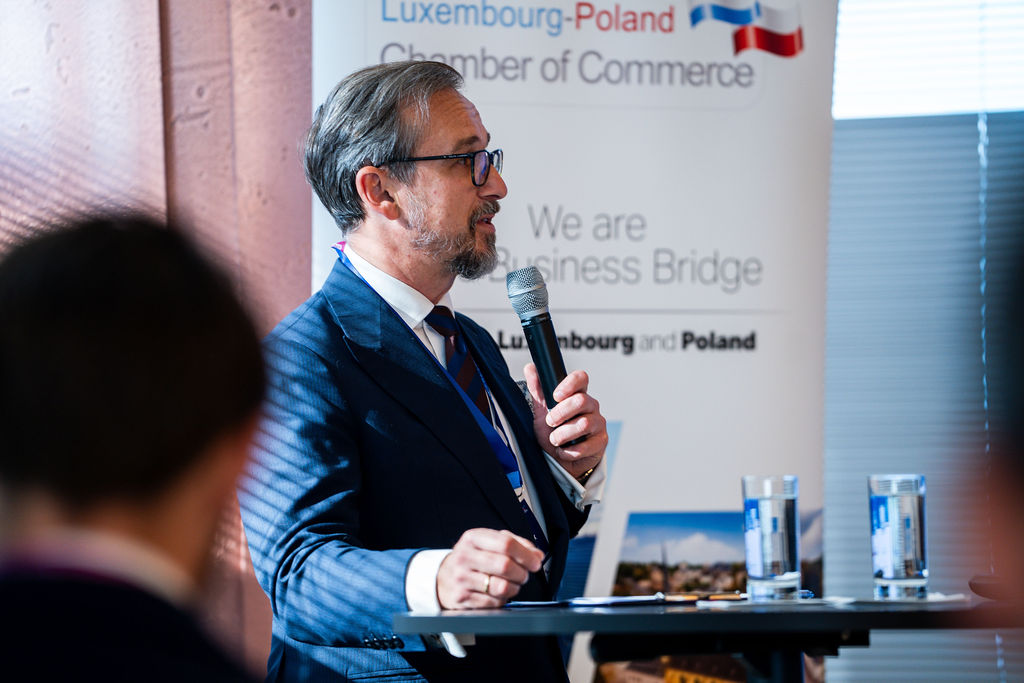
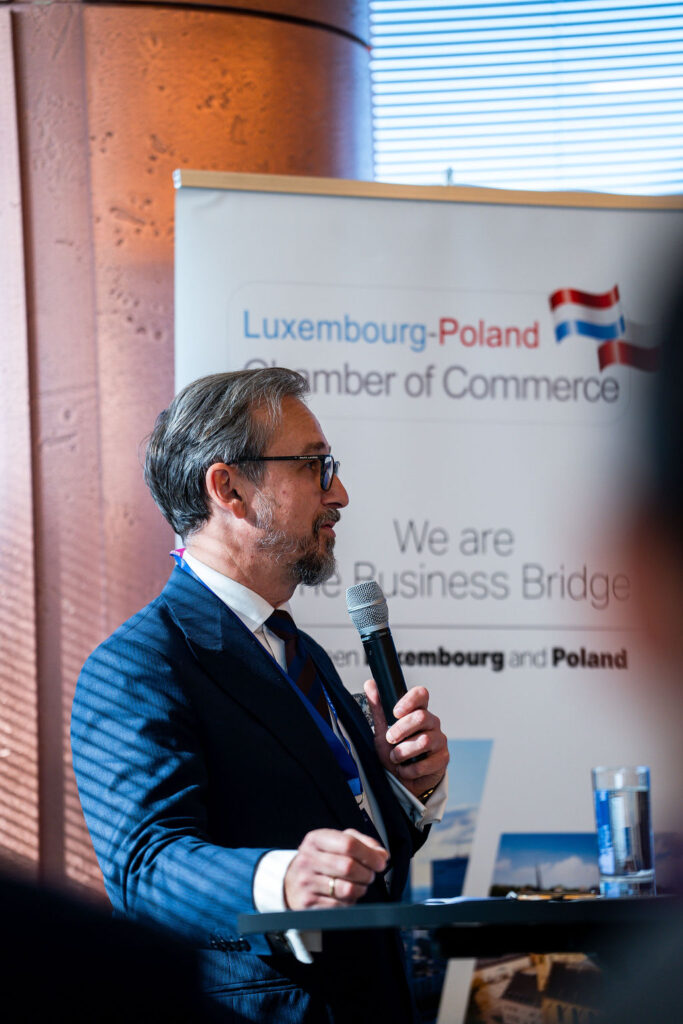
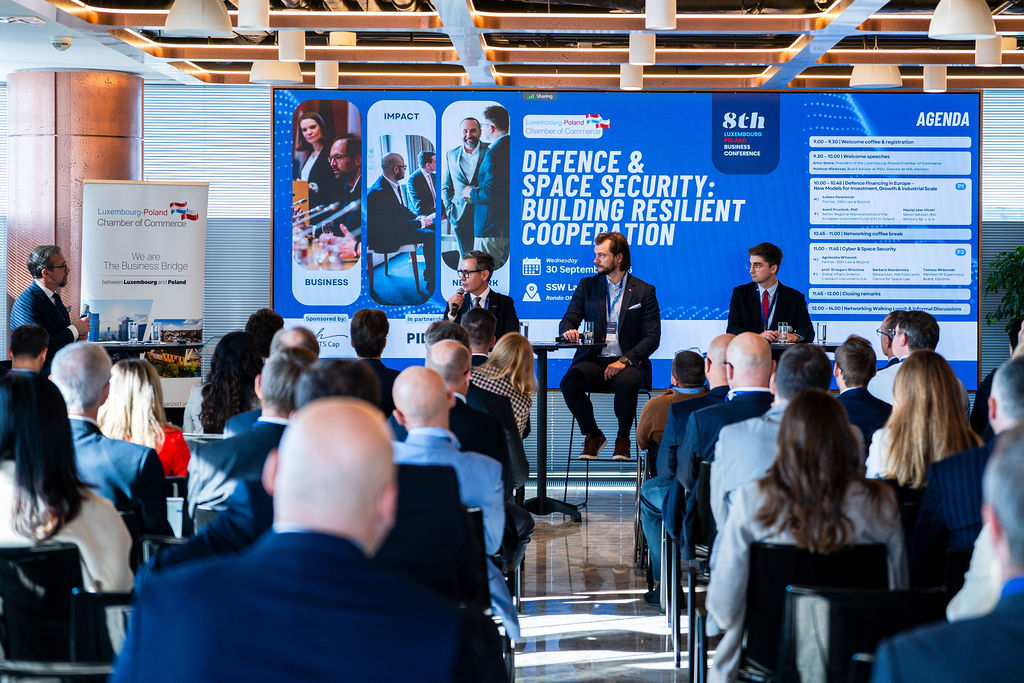
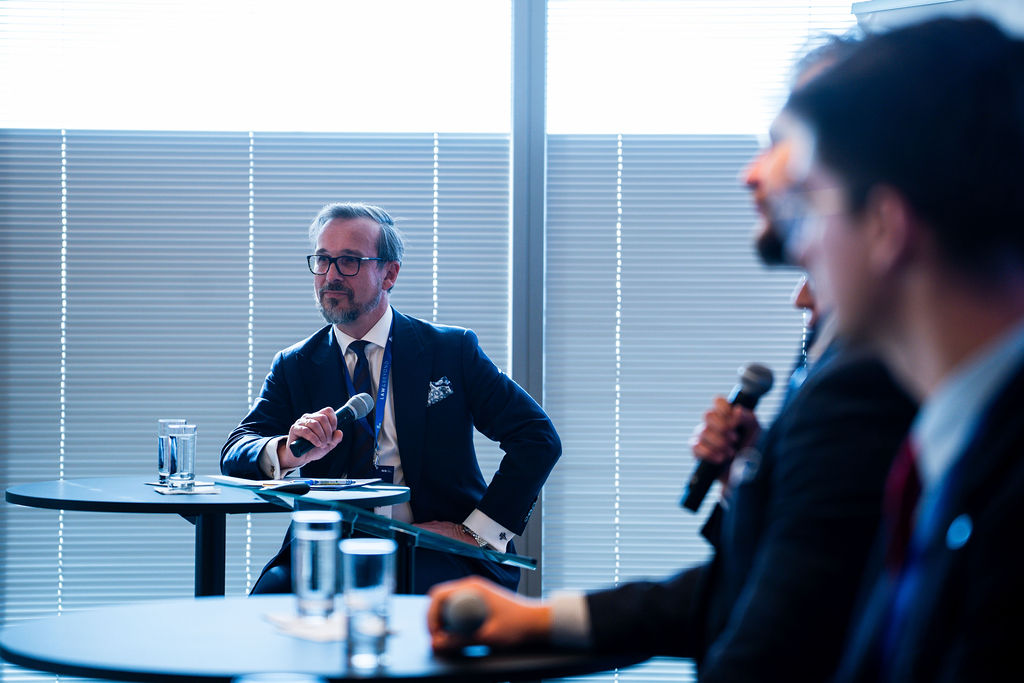
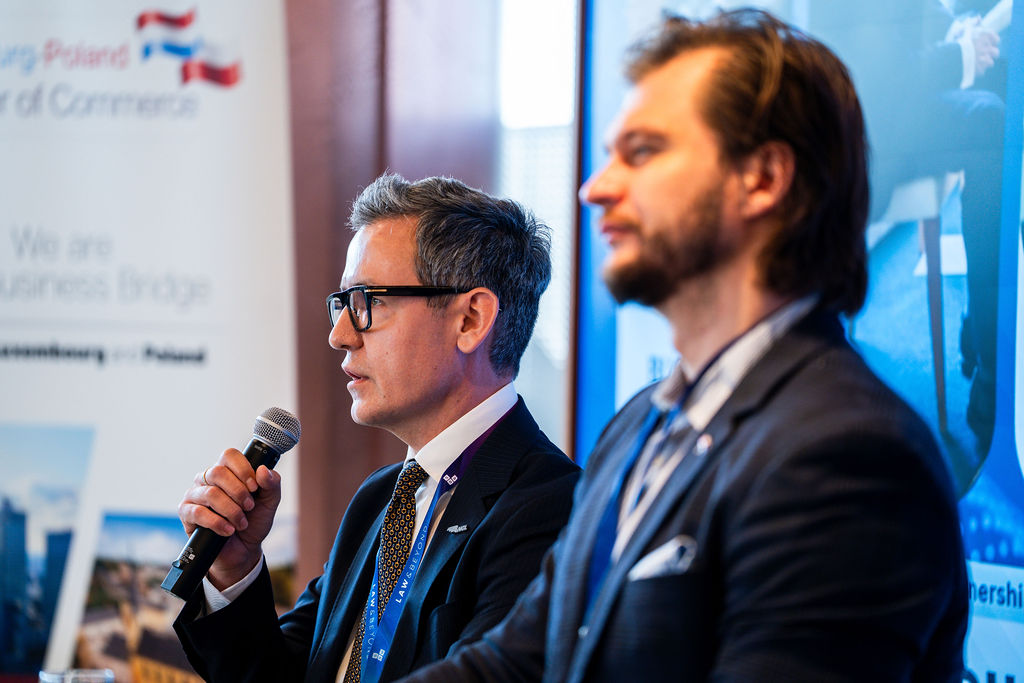
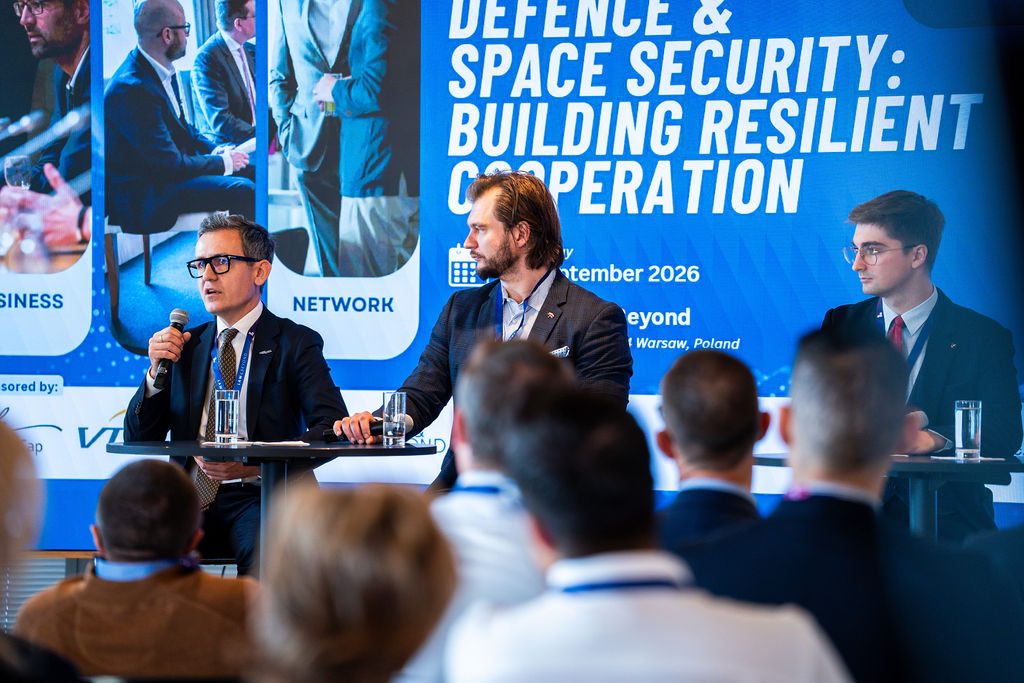
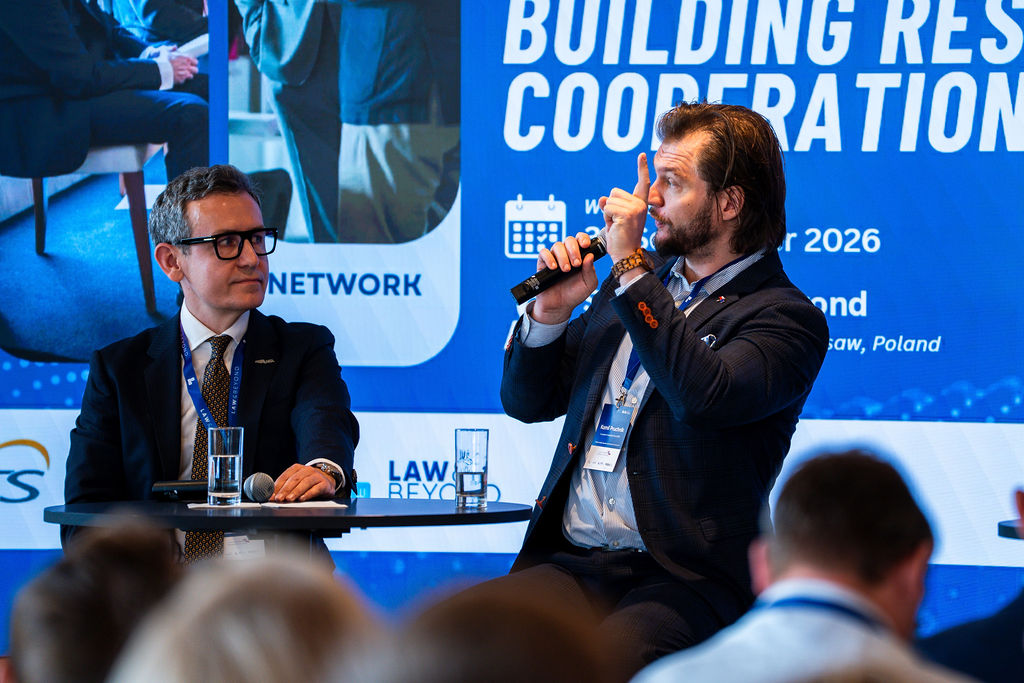
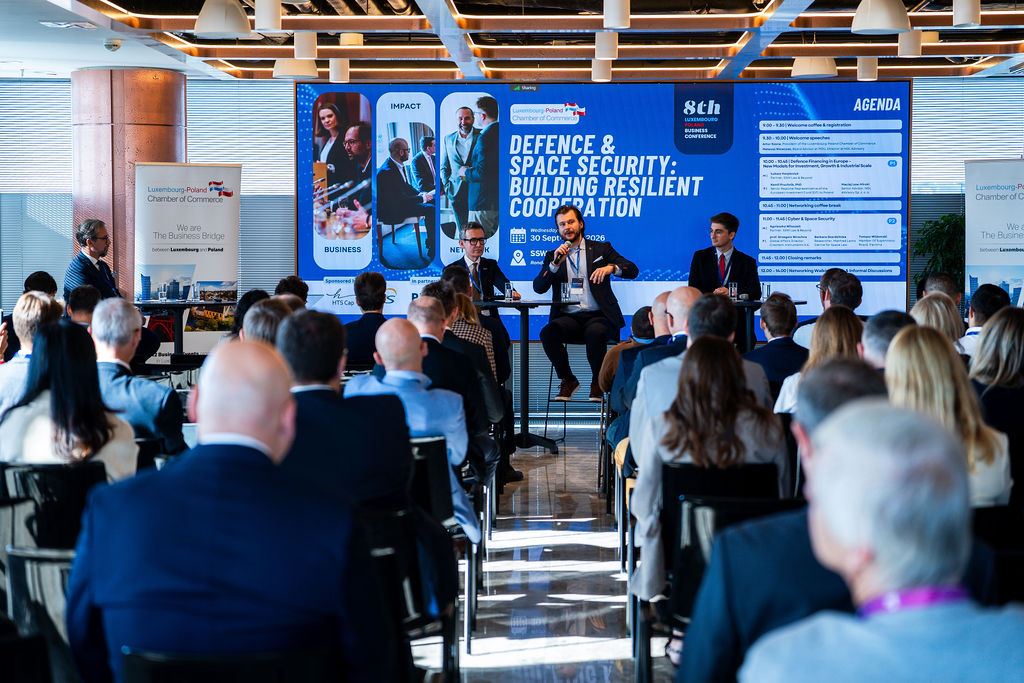
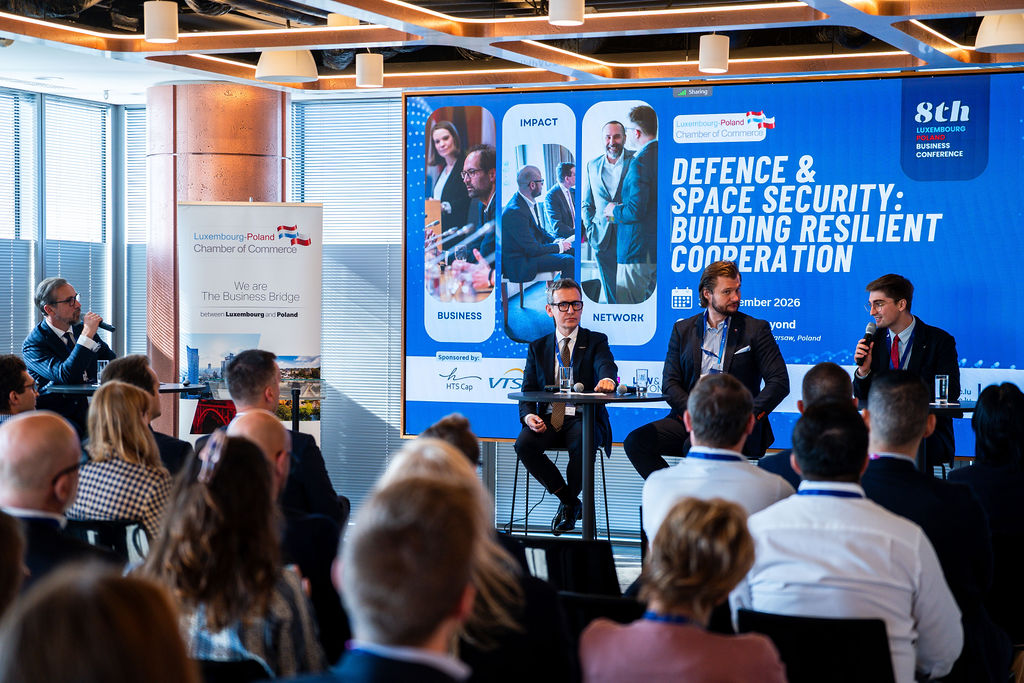
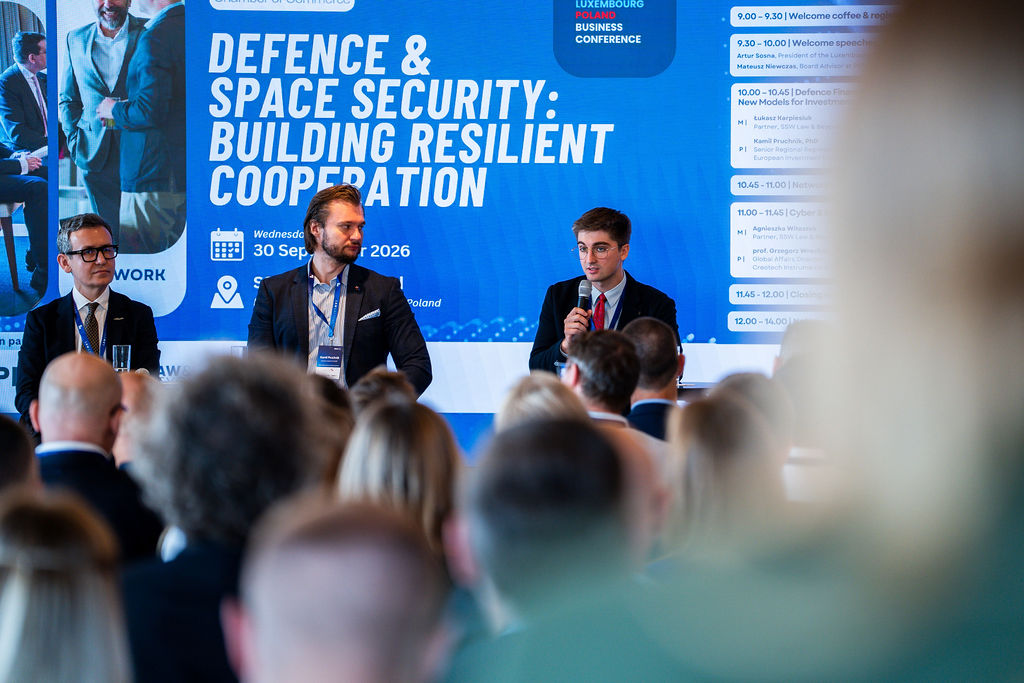
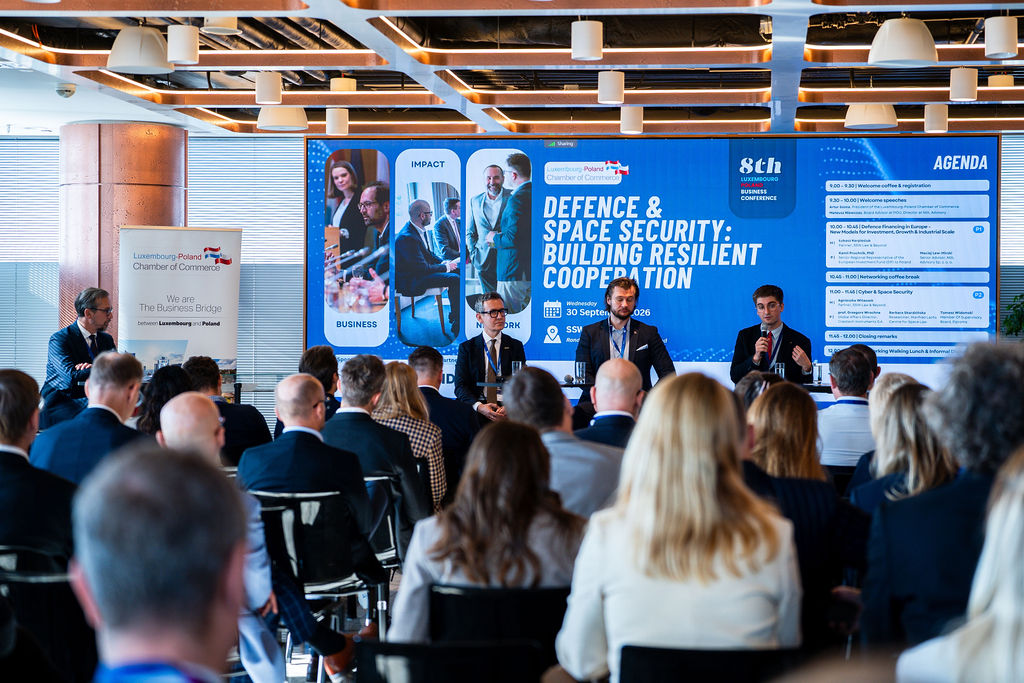
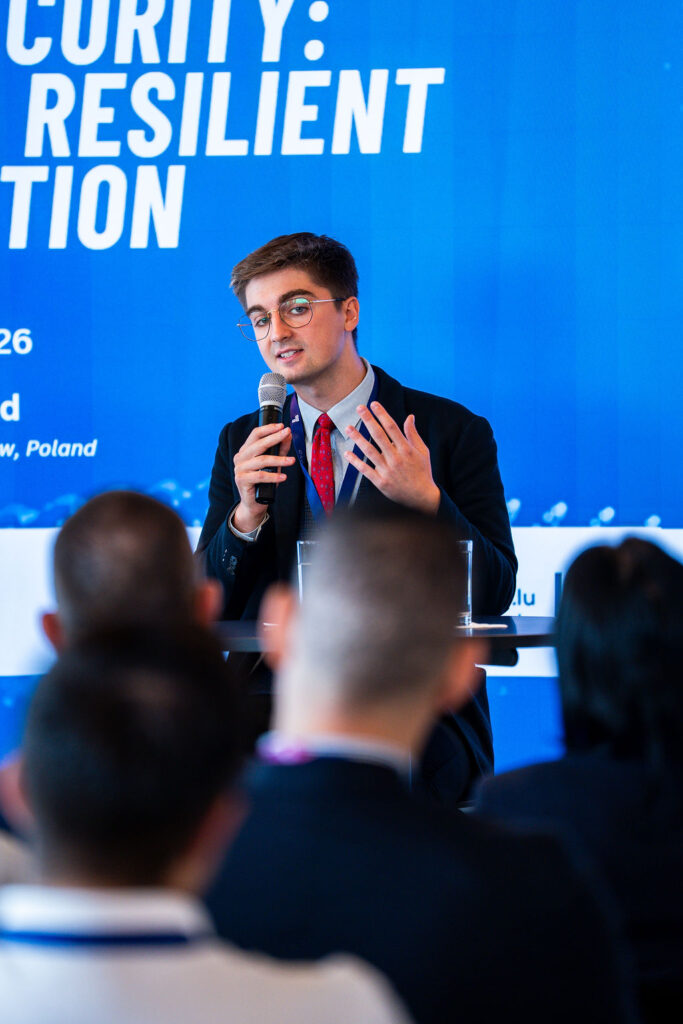
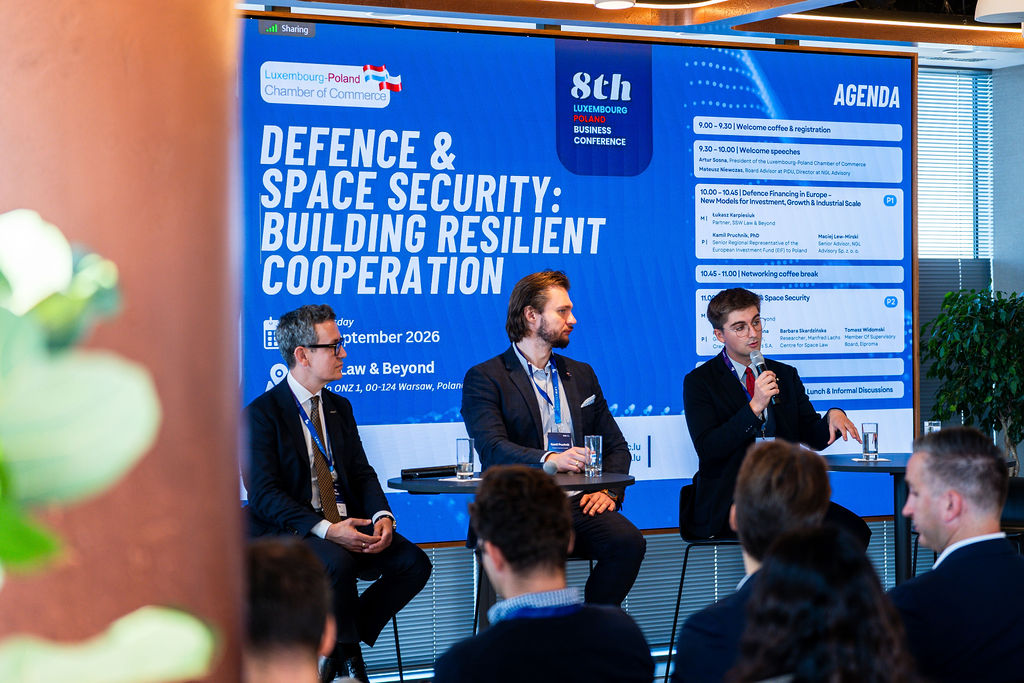
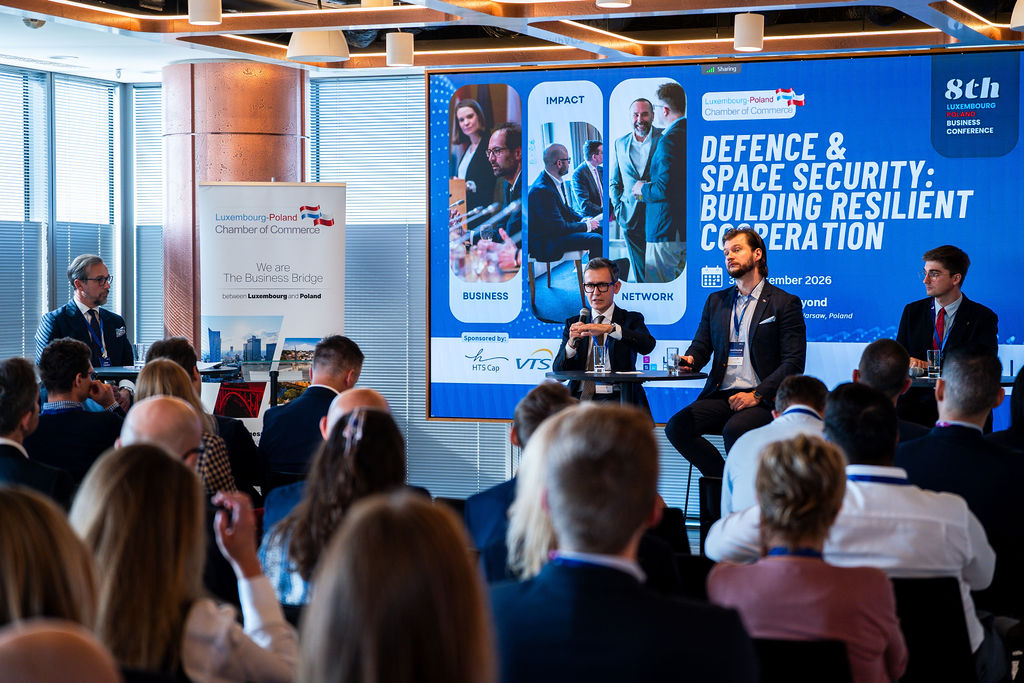
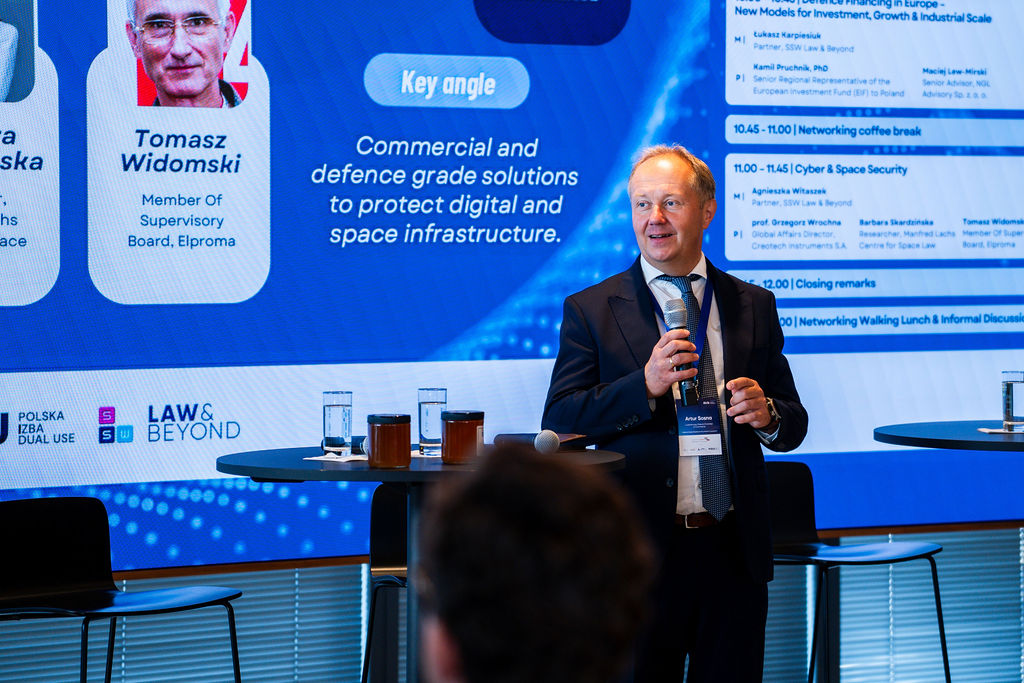
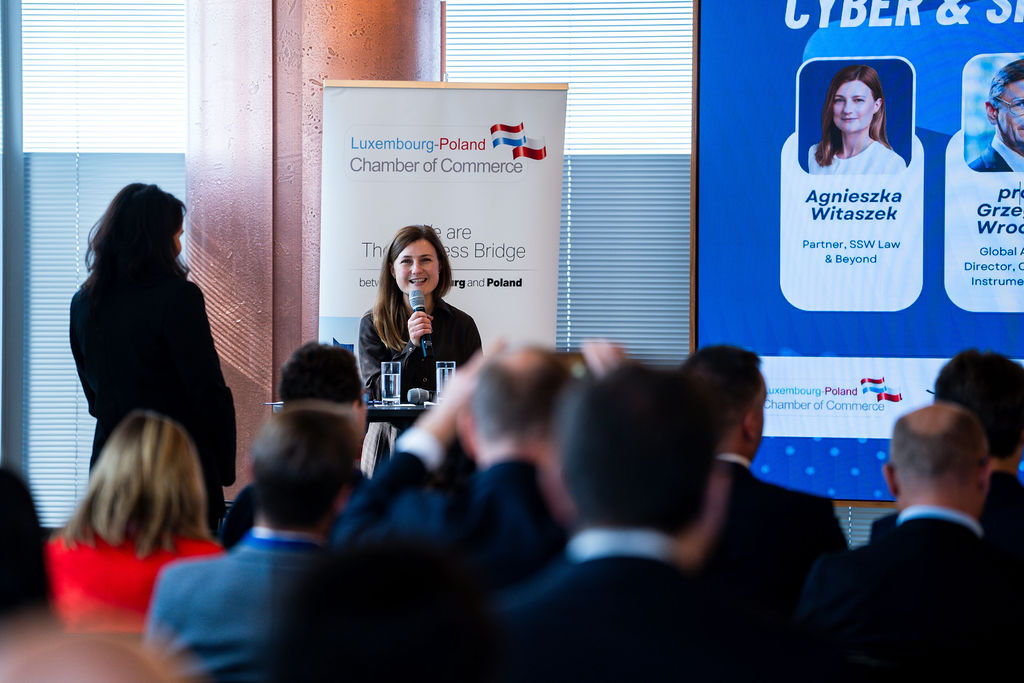
On Wednesday, 30 September 2026, the Luxembourg-Poland Chamber of Commerce (LPCC) hosted the 8th Luxembourg–Poland Business Conference at SSW Law & Beyond in Warsaw, bringing together business leaders, investors, policymakers, and representatives of the defence, technology, finance, and space sectors.
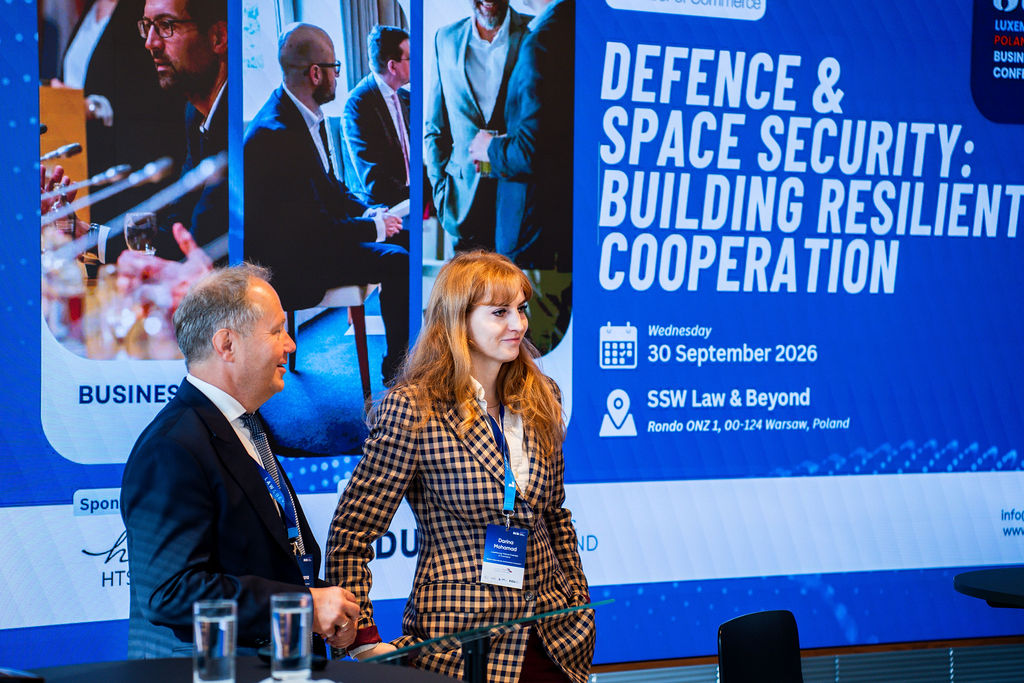
This year’s conference, held under the theme “Defence & Space Security: Building Resilient Cooperation”, explored the growing strategic importance of defence, dual-use technologies, cybersecurity, and space infrastructure — and the opportunities for stronger cooperation between Luxembourg and Poland in these areas.
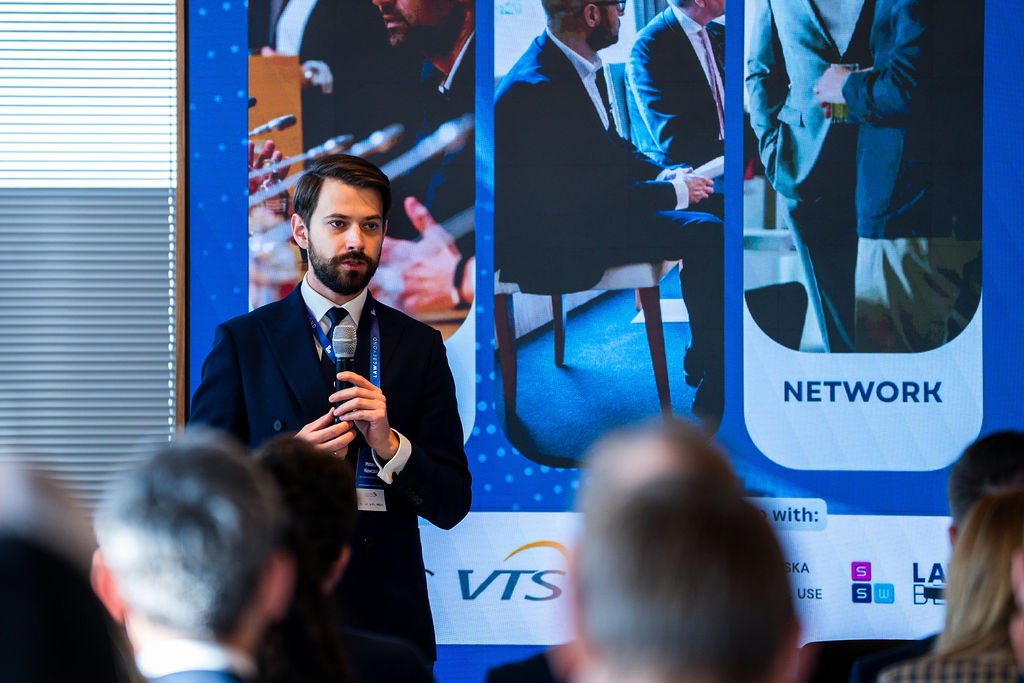
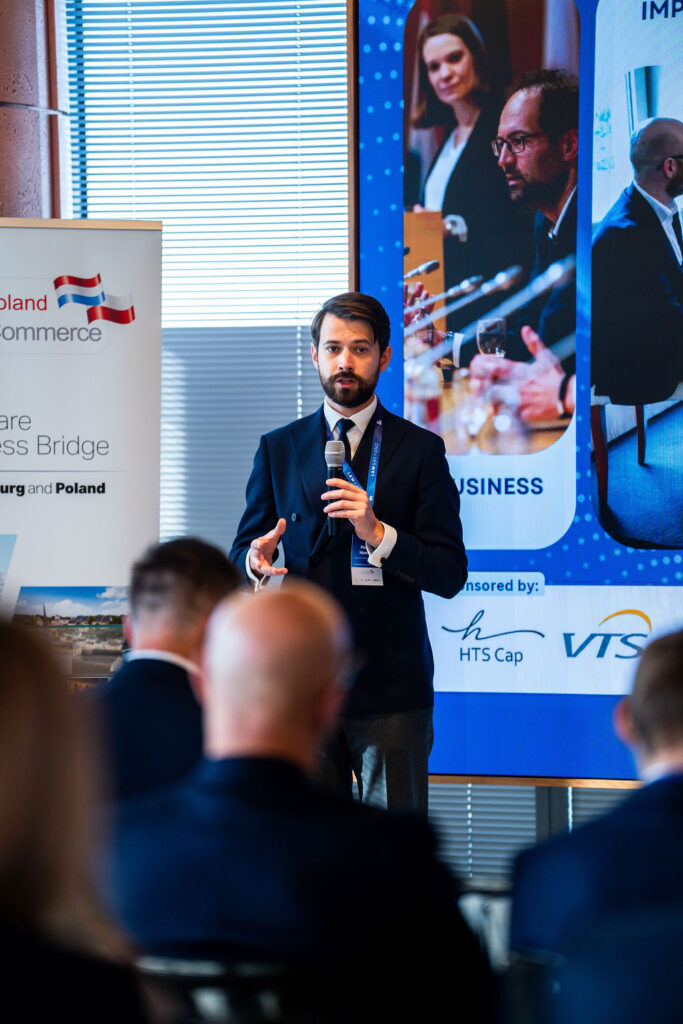
The conference was was sponsored by LPCC Corporate Members VTS Group and HTS CAP SA SICAV-RAIF, and organised in partnership with SSW Law & Beyond and a contribution from PIDU – Polish Dual Use Chamber.
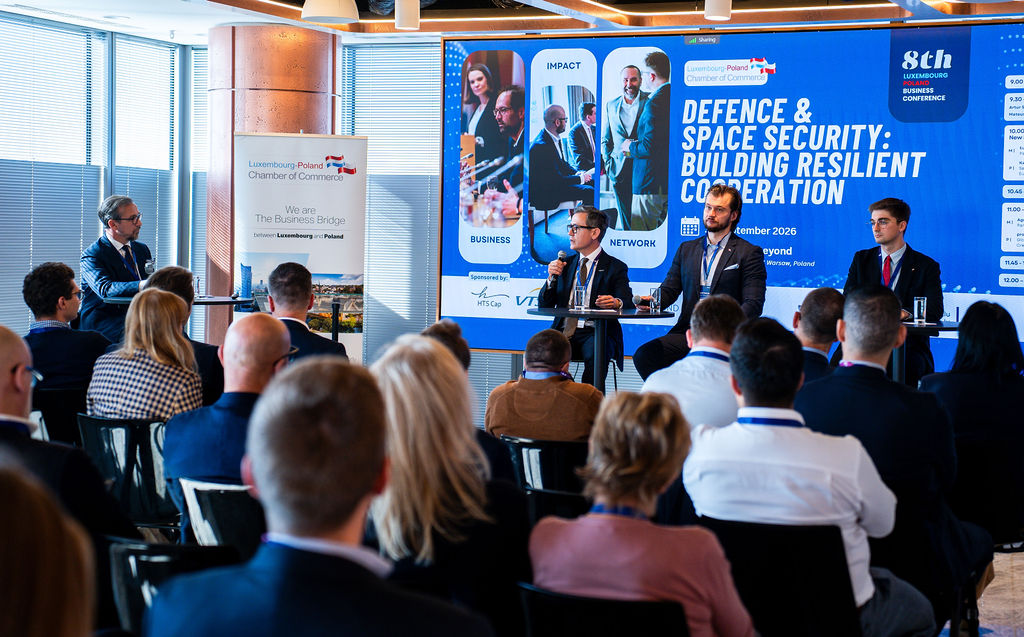
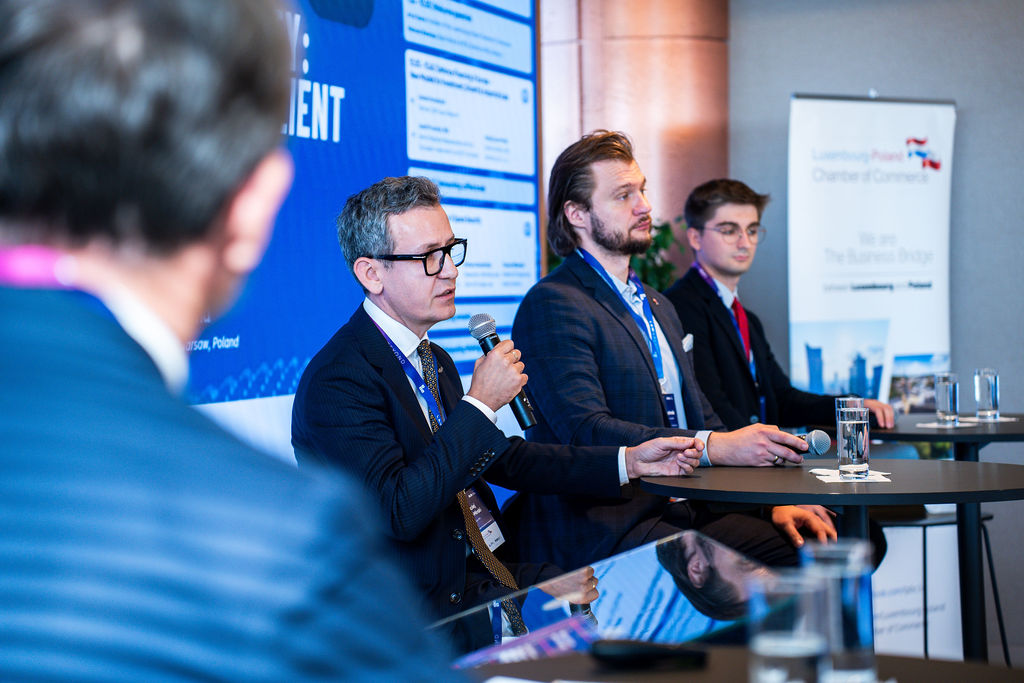
The programme brought together experts from the European Investment Fund, NGL Advisory, Chrobry S.A., Creotech Instruments S.A., the Manfred Lachs Centre for Space Law at the University of Warsaw, and Elproma, with discussions moderated by experts from SSW Law & Beyond.
This conference is part of LPCC’s ongoing work to strengthen the business ties between Luxembourg and Poland, made possible in part by the continued support of our Patron Member, Arendt.
Let’s dive into key takeaways from the conference discussions.
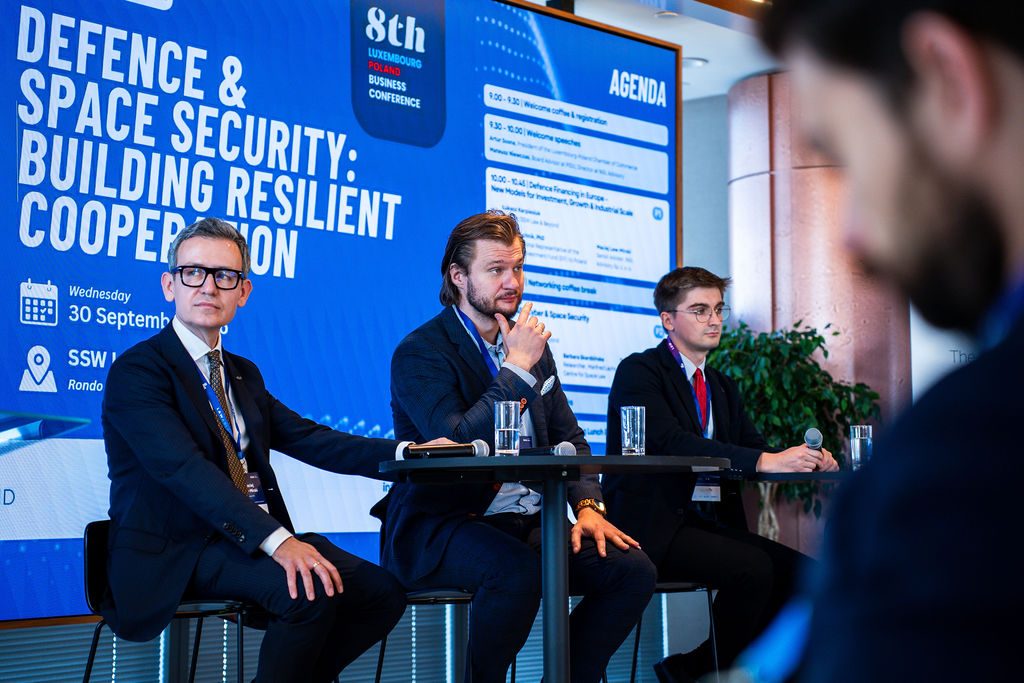
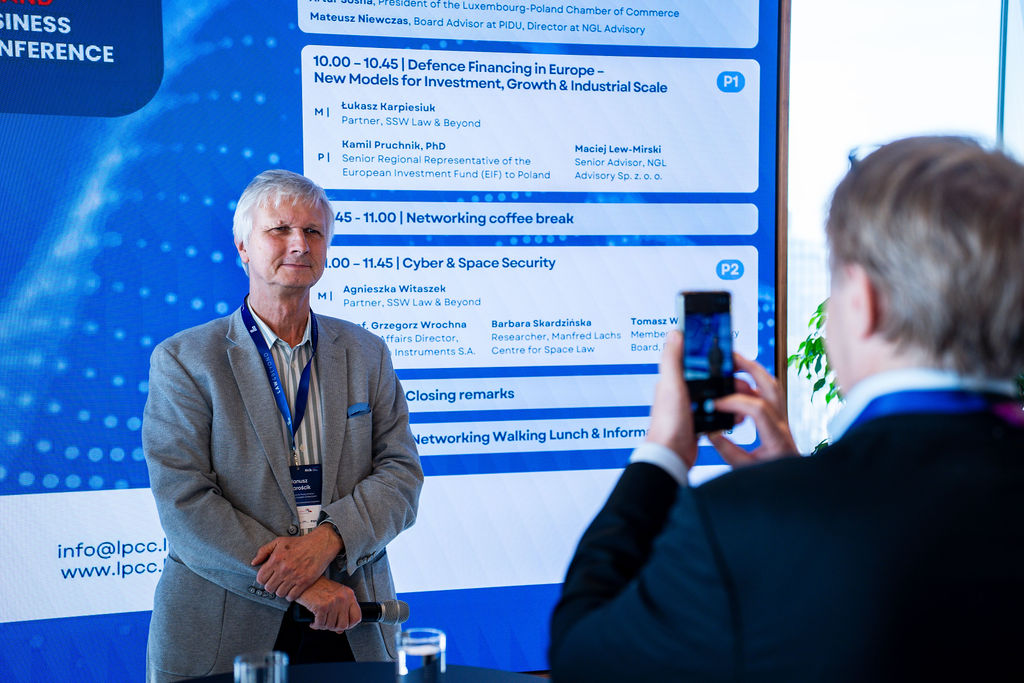
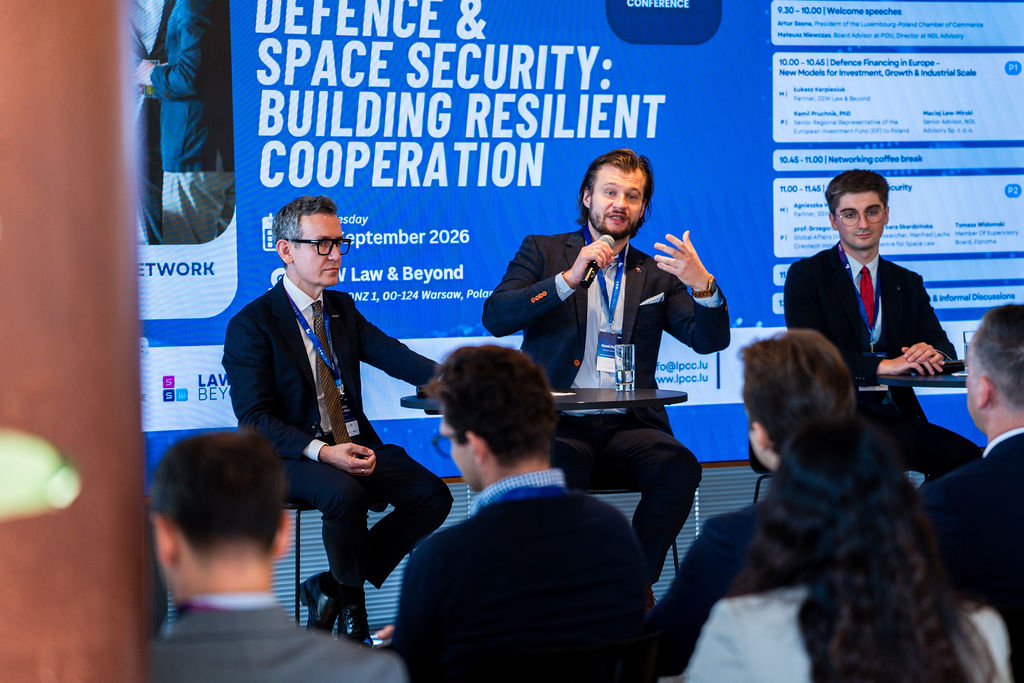
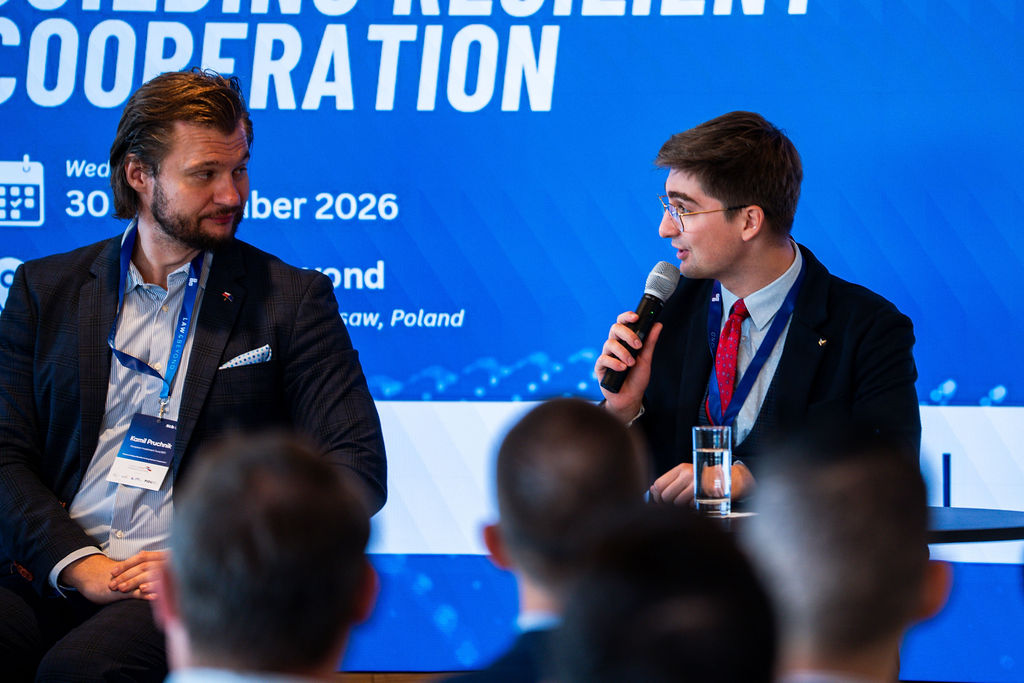
Panel 1: Defence Financing in Europe – New Models for Investment, Growth & Industrial Scale
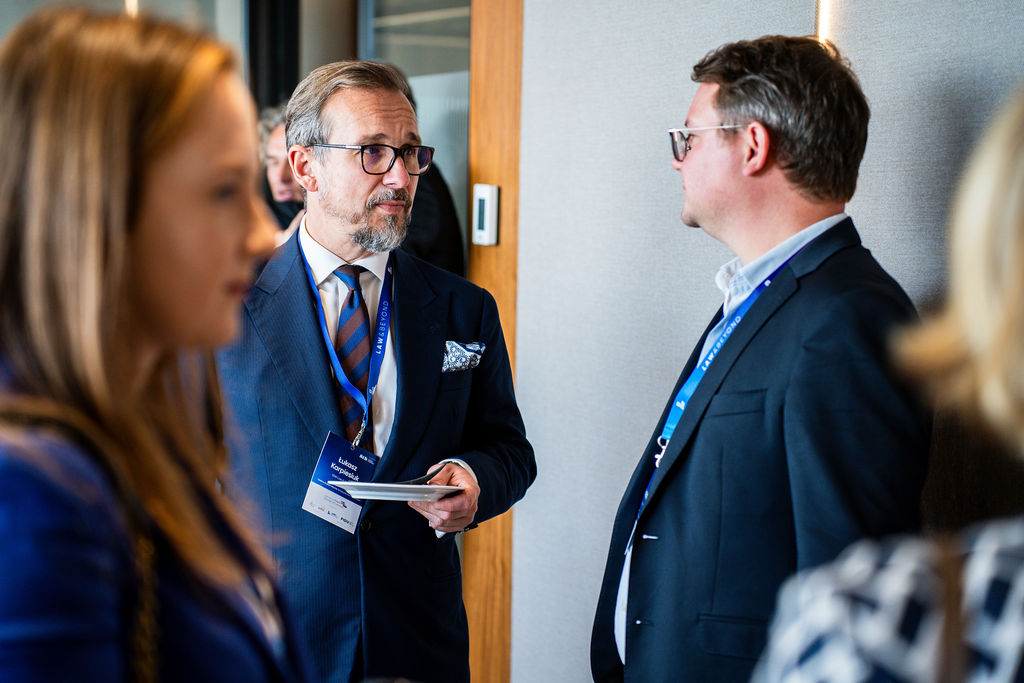
Moderator: Łukasz Karpiesiuk (SSW Law & Beyond)
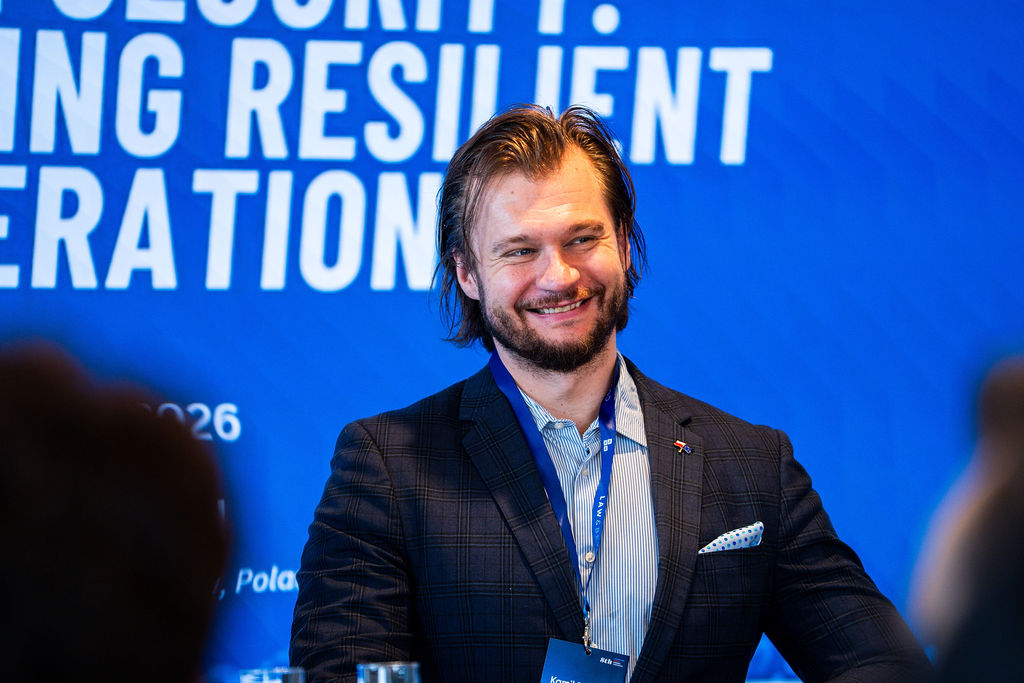
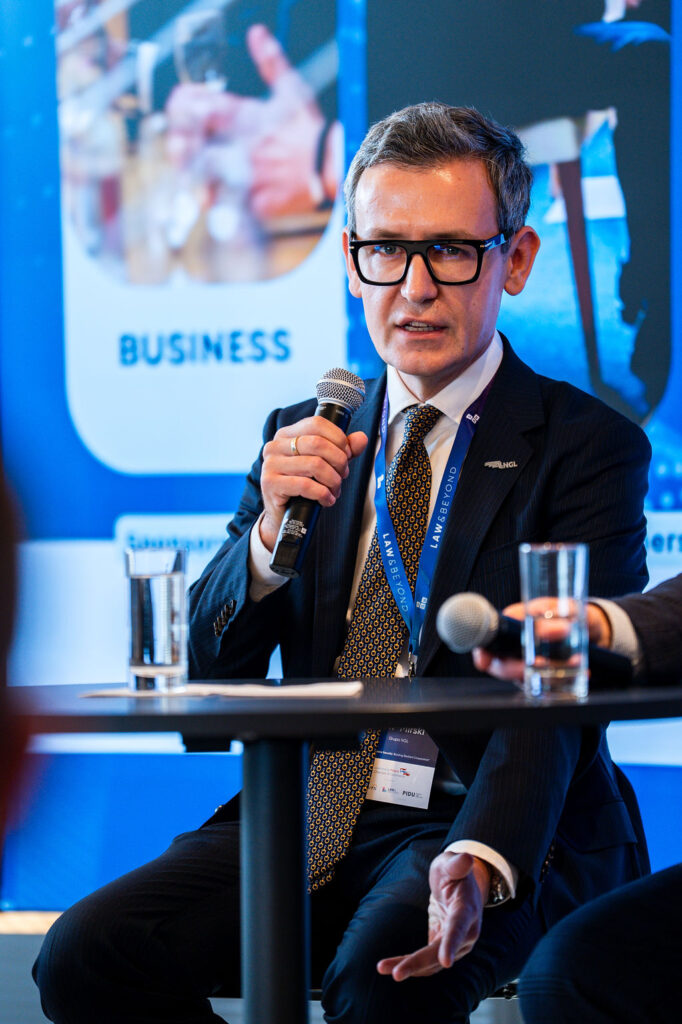
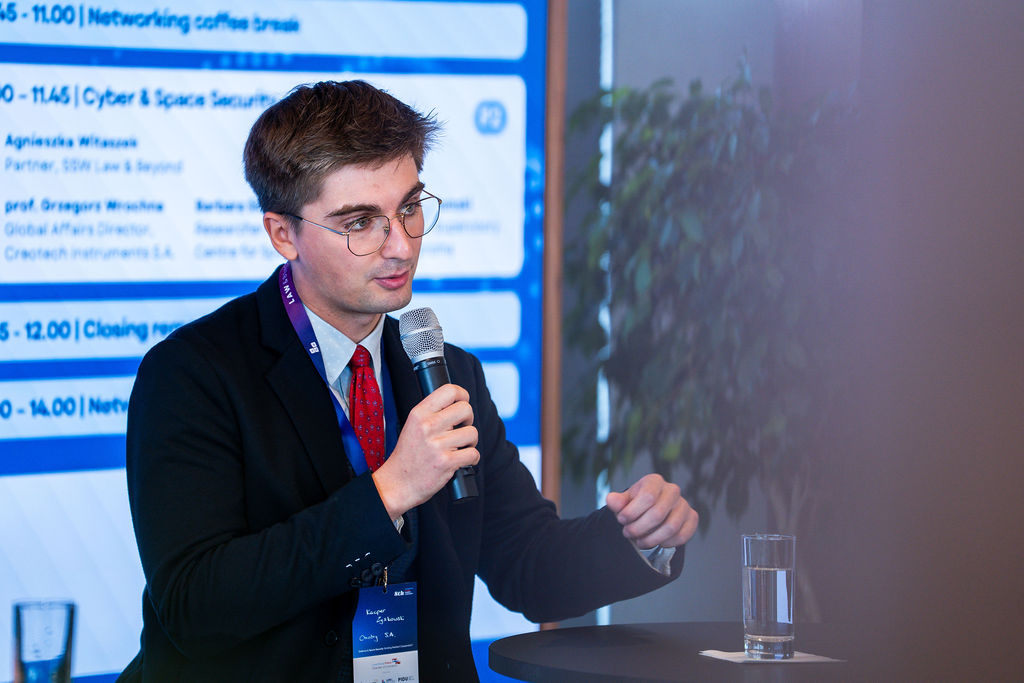
Panellists: Maciej Lew-Mirski (NGL Advisory), Kacper Zyskowski (Chrobry S.A.), Kamil Pruchnik, PhD (European Investment Fund)
Key takeaways:
- Defence has moved from “no-go” to investment priority.A few years ago banks and most funds avoided the sector, and companies relied mainly on R&D grants. Today defence and dual-use attract capital at every stage, from early-stage R&D to scale-up.
- The “taboo” character of the sector was mainly due to perception and reputational risks. Those are no longer there, however certain sector-specific risks exist, such as purchasing model of the army. Investors entering the sector must understand and accept its specific risks rather than treat it like any other growth market.
- Public co-investment is the bridge.EU and national instruments, including the EIF’s Defence Equity Facility (fund of funds approach and guarantees), Chrobry (direct equity investment, largest sovereign fund in defence and dual use in Europe) and other programmes, play a key role in mobilising private capital and sharing private equity’s risk.
- Governments must steer, not smother.Public spending can underpin attractive returns, but only if the state channels capital wisely and addresses specific risks of the sector (such as maintaining contingent manufacturing capacity, reasonable purchasing policy).
- Sustainability is the open question.The industry must prepare for the period after the current spending peak, including a possible de-escalation in Ukraine and the end of SAFE funding.
- Wide range of investment topics.Not only flashy tech investments are available but also more down-to-earth topics – such as shelters and infrastructure protection.
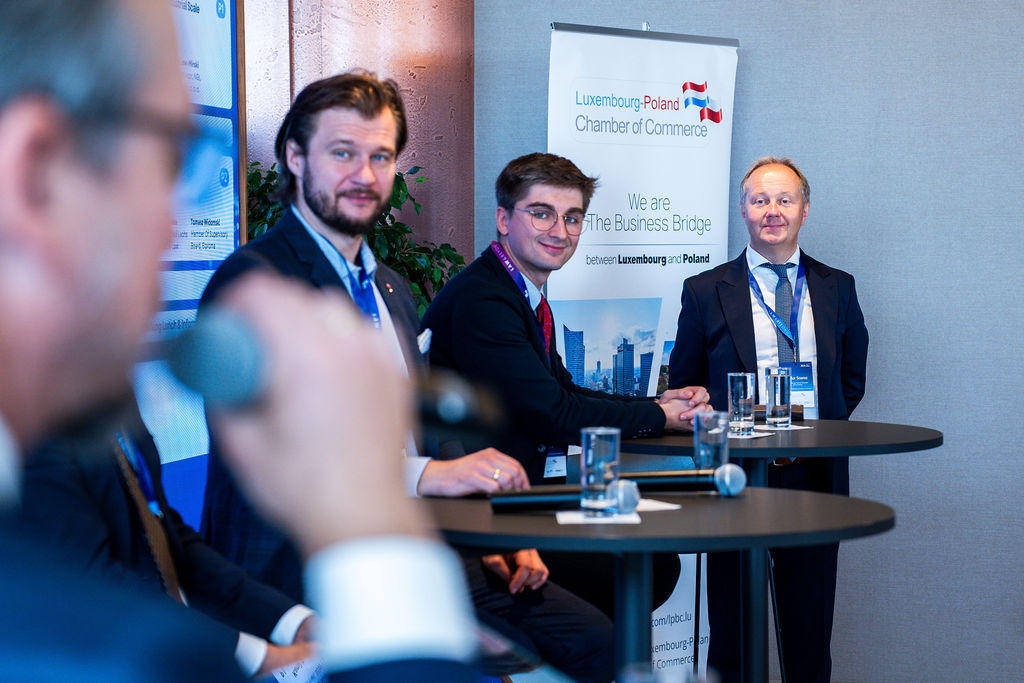
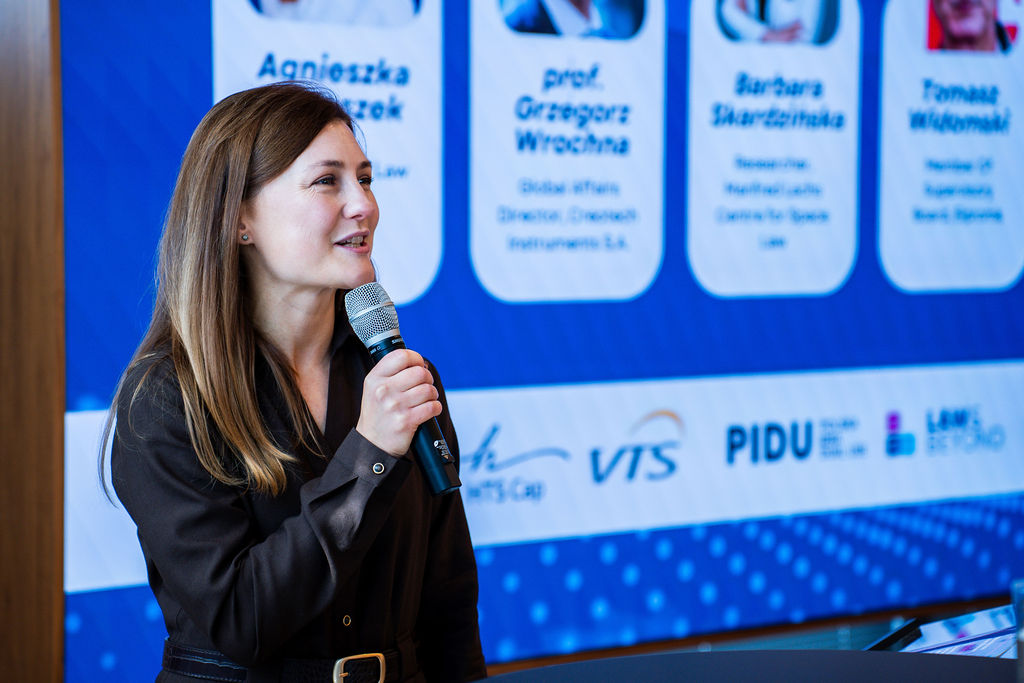
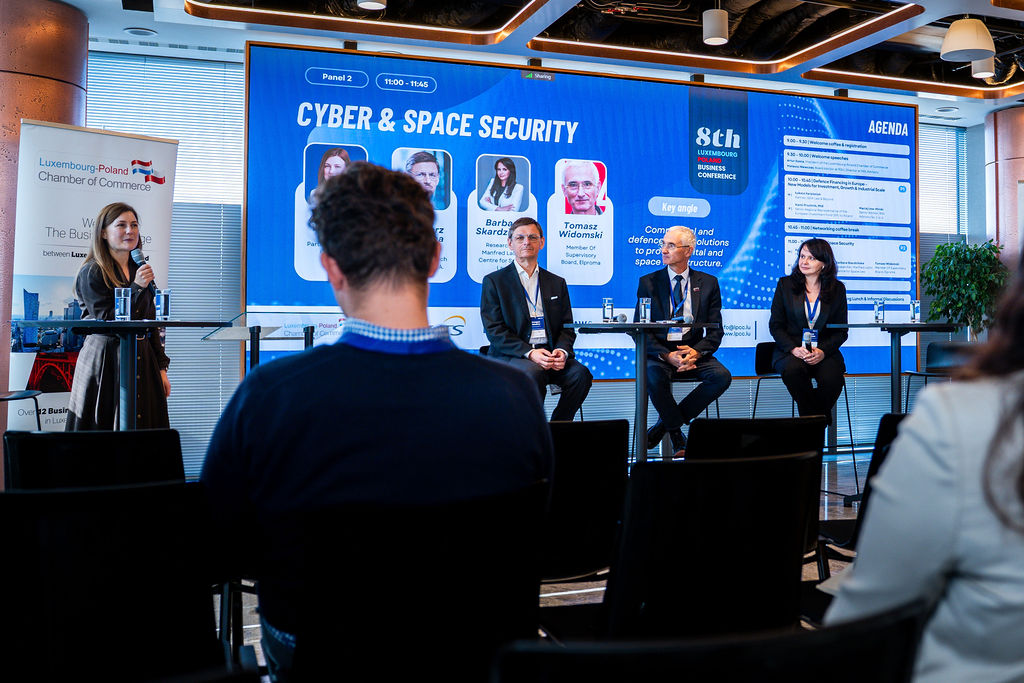
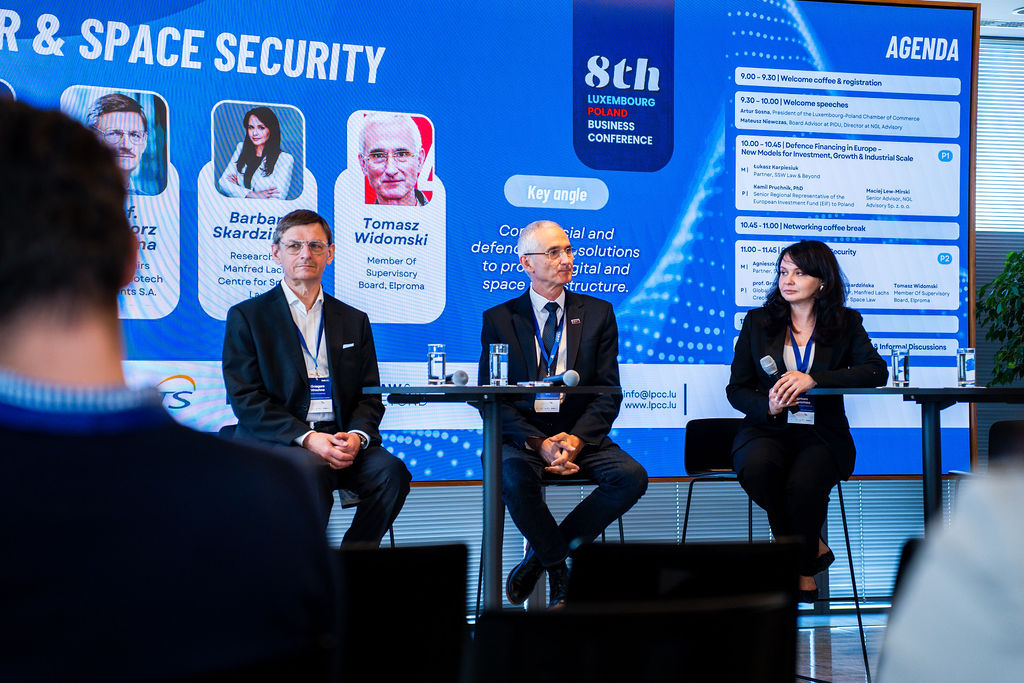
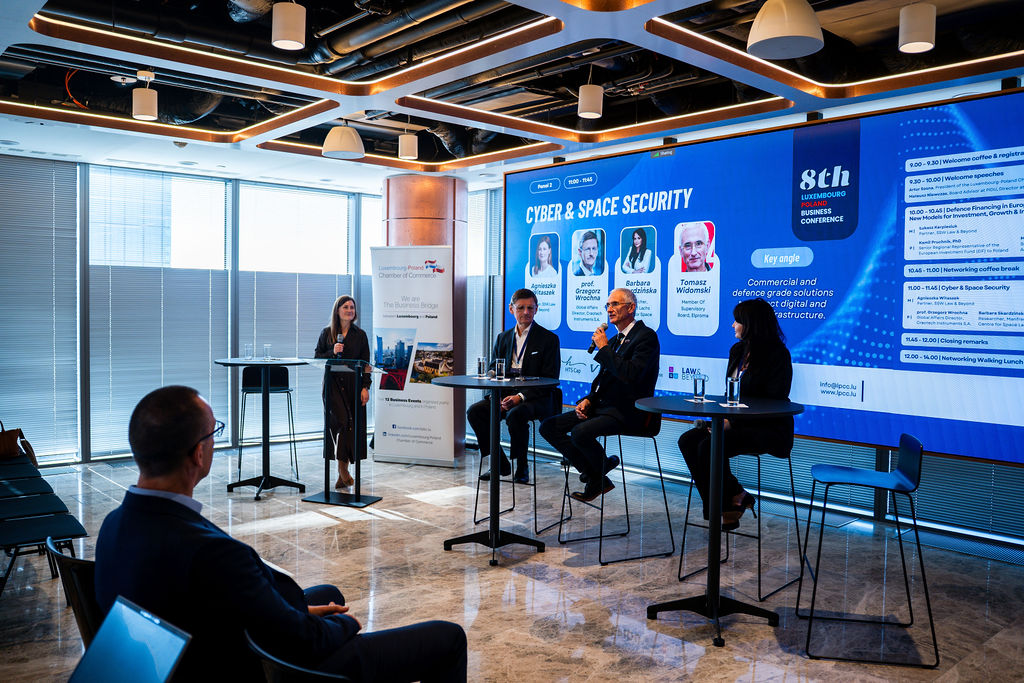
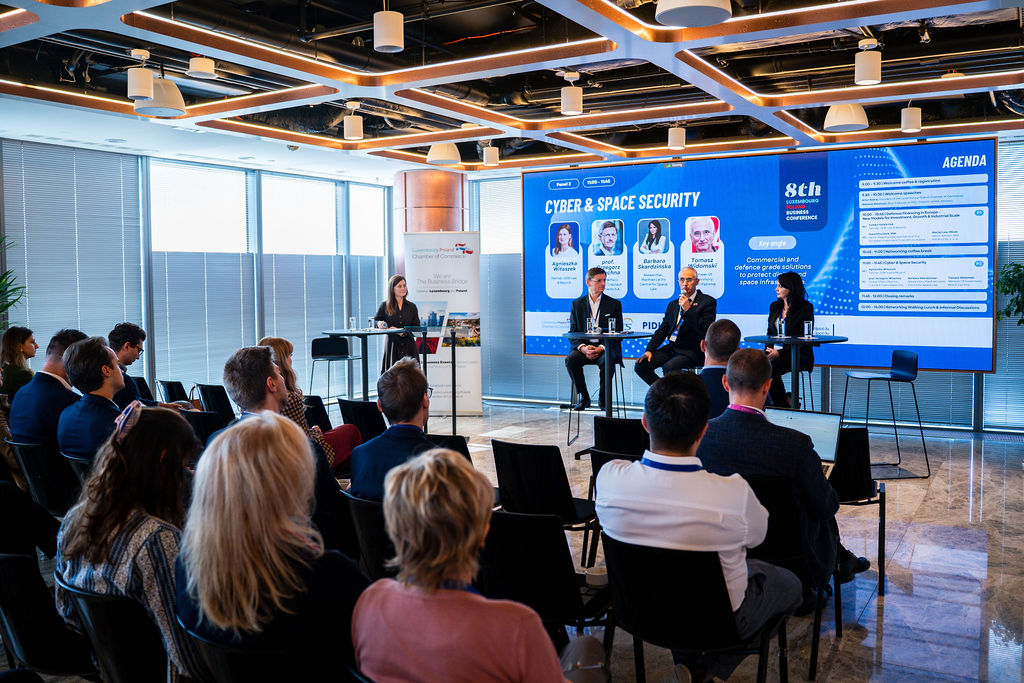
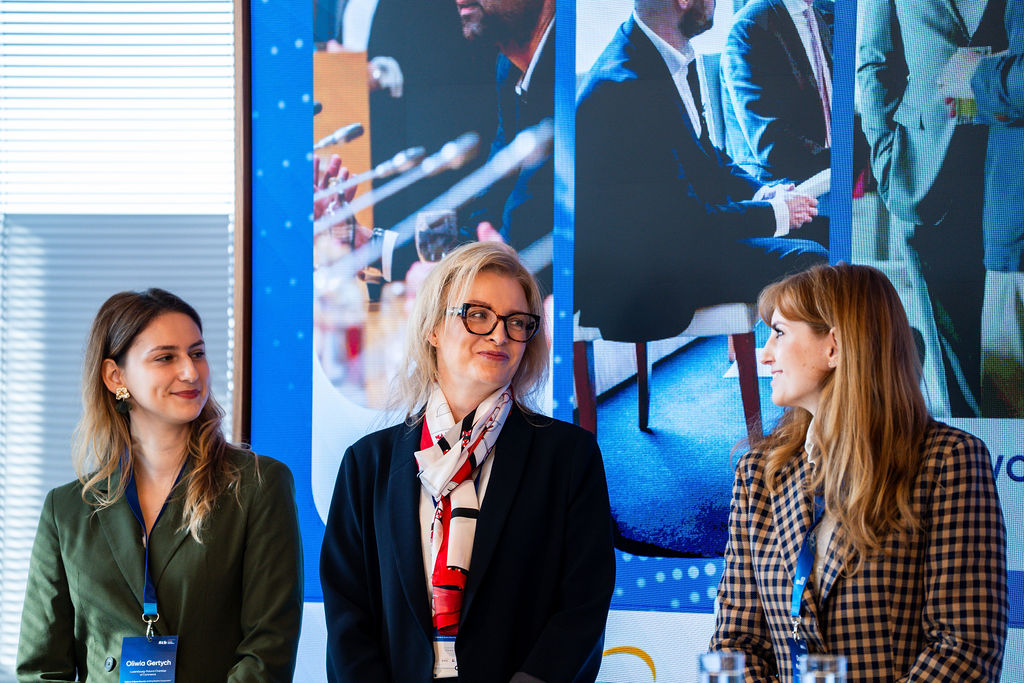
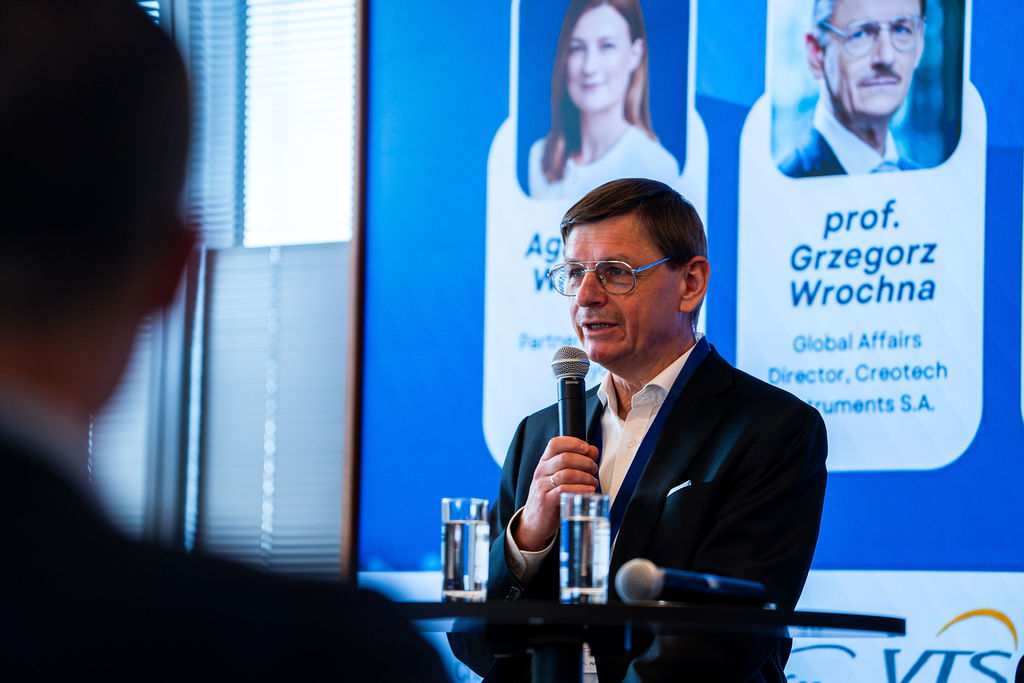
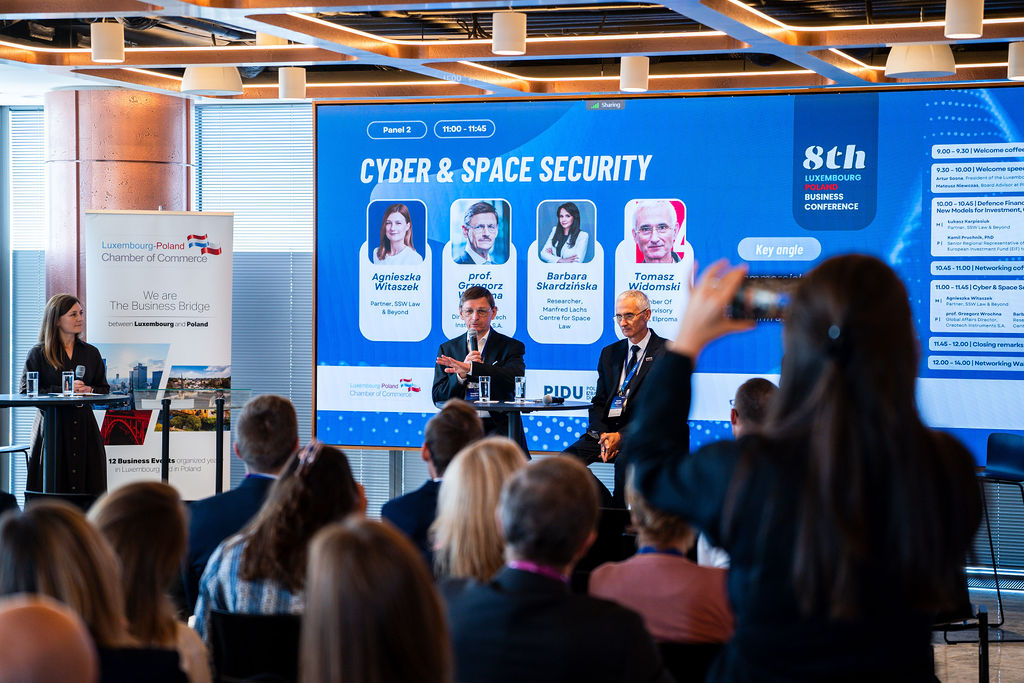
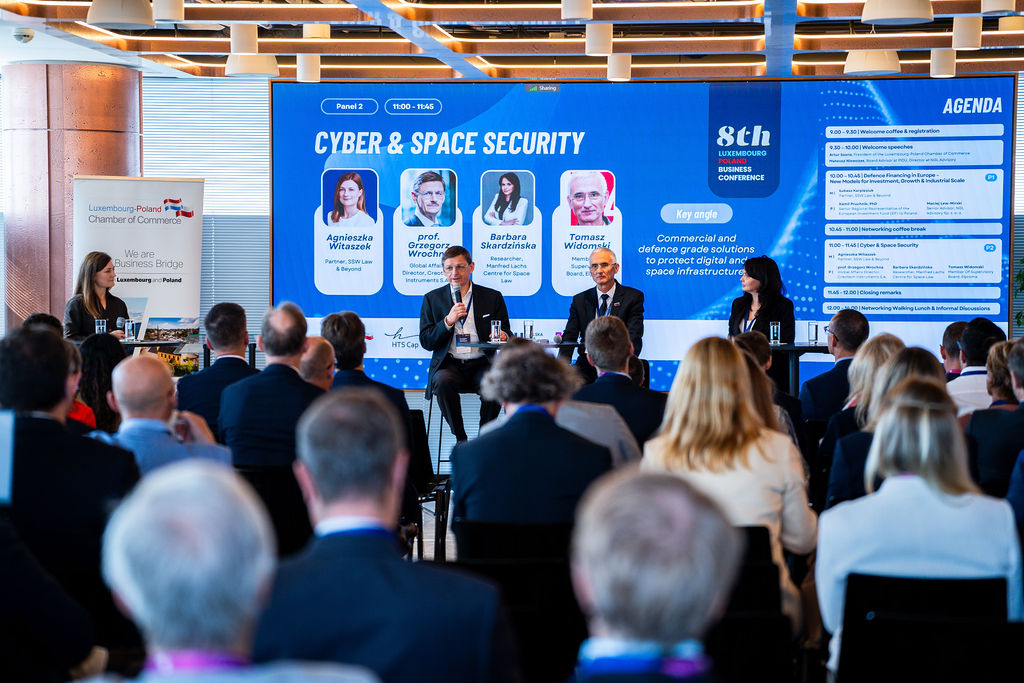
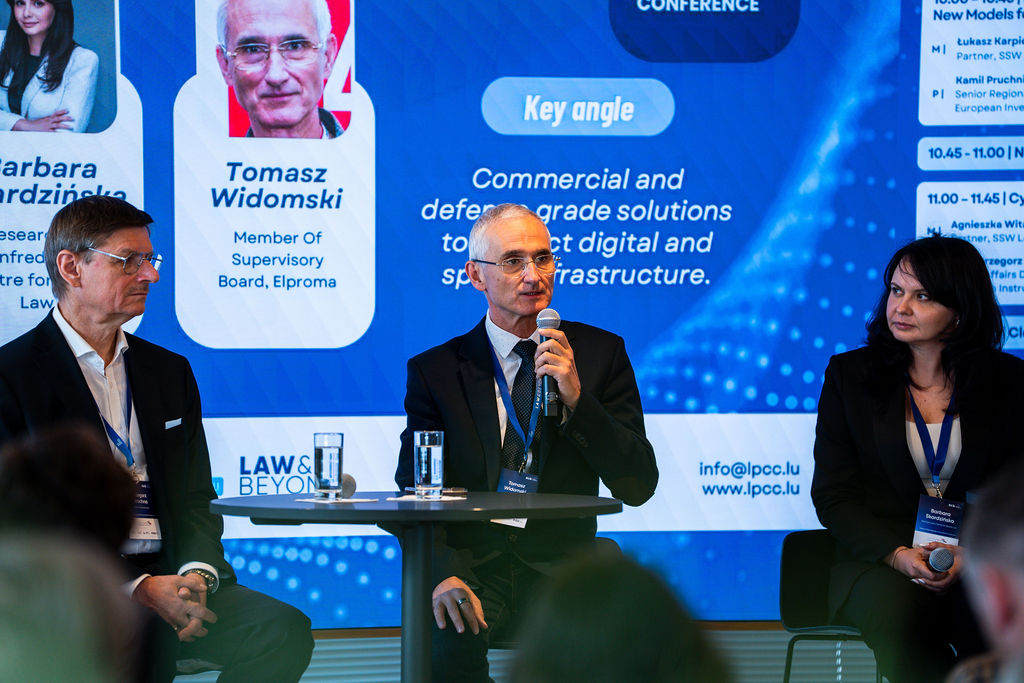
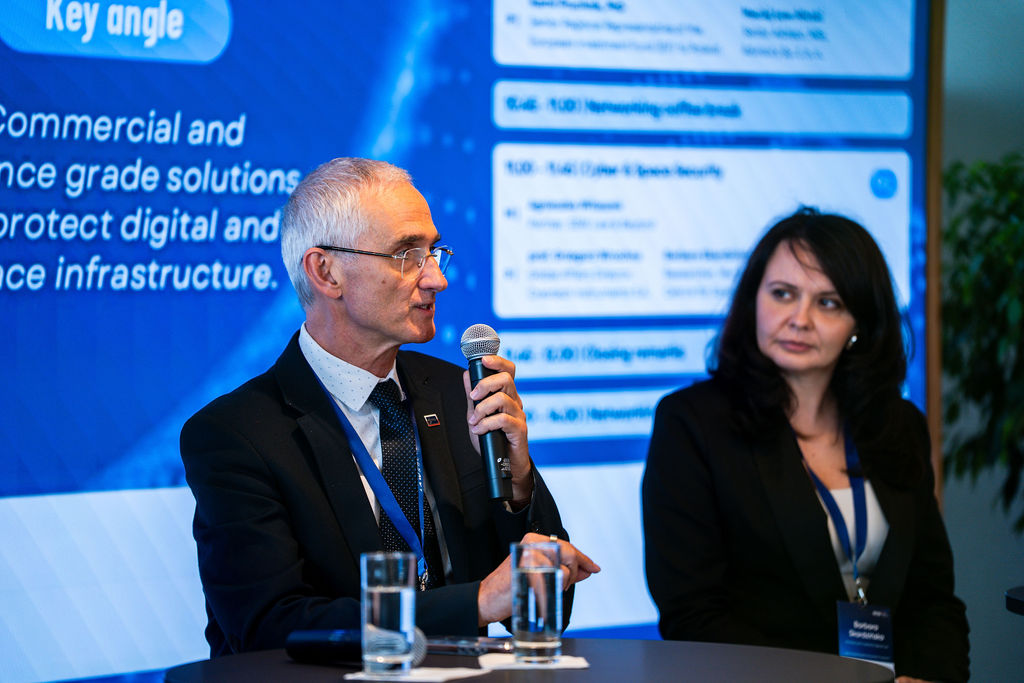
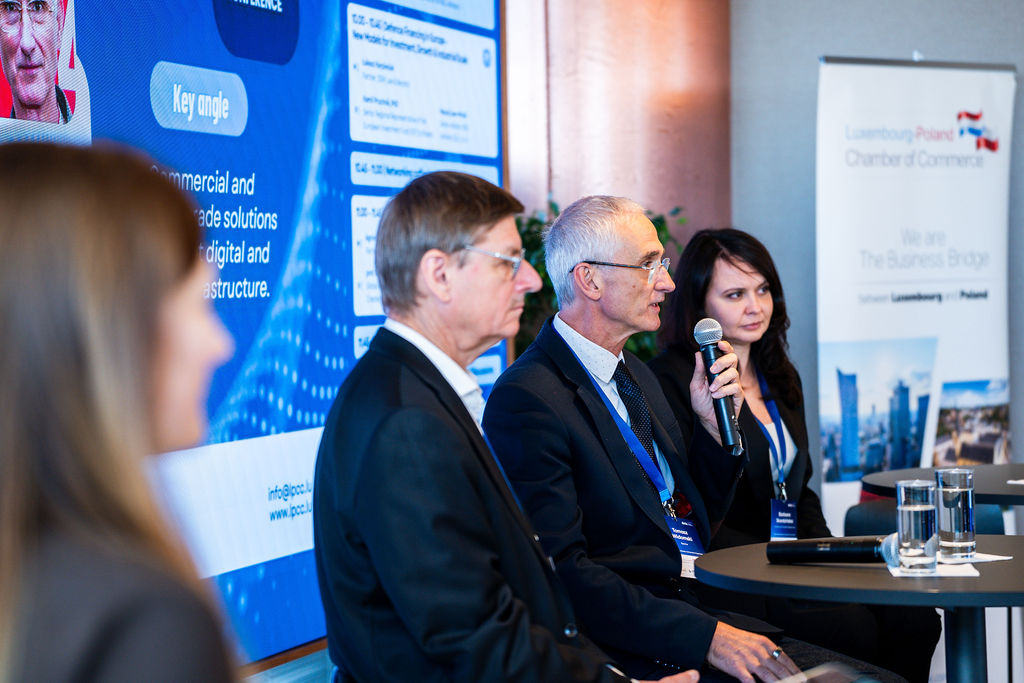
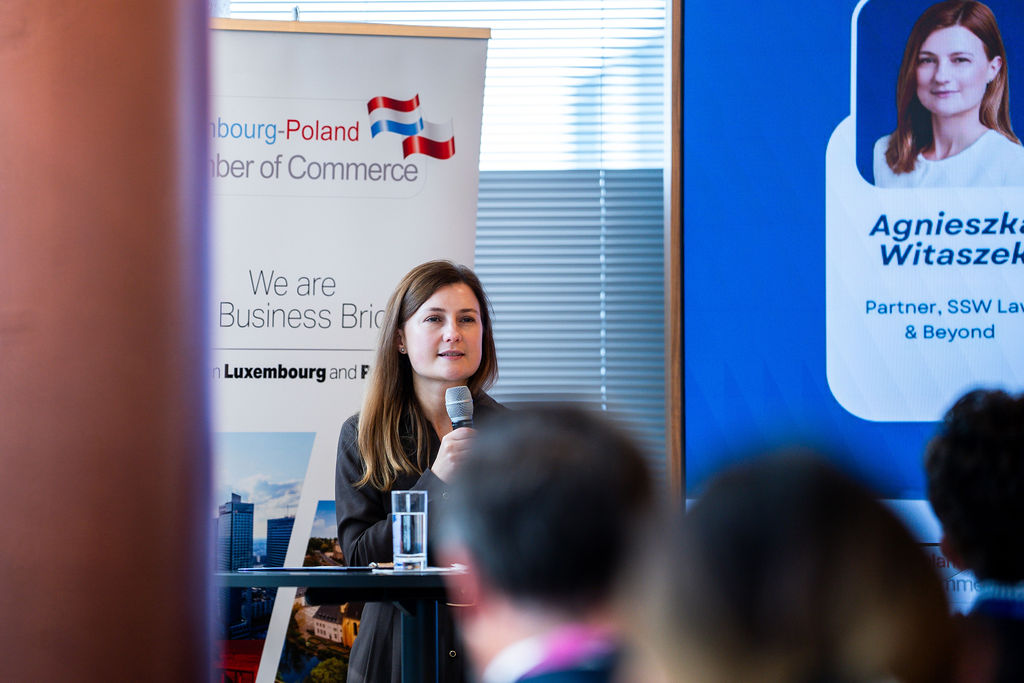
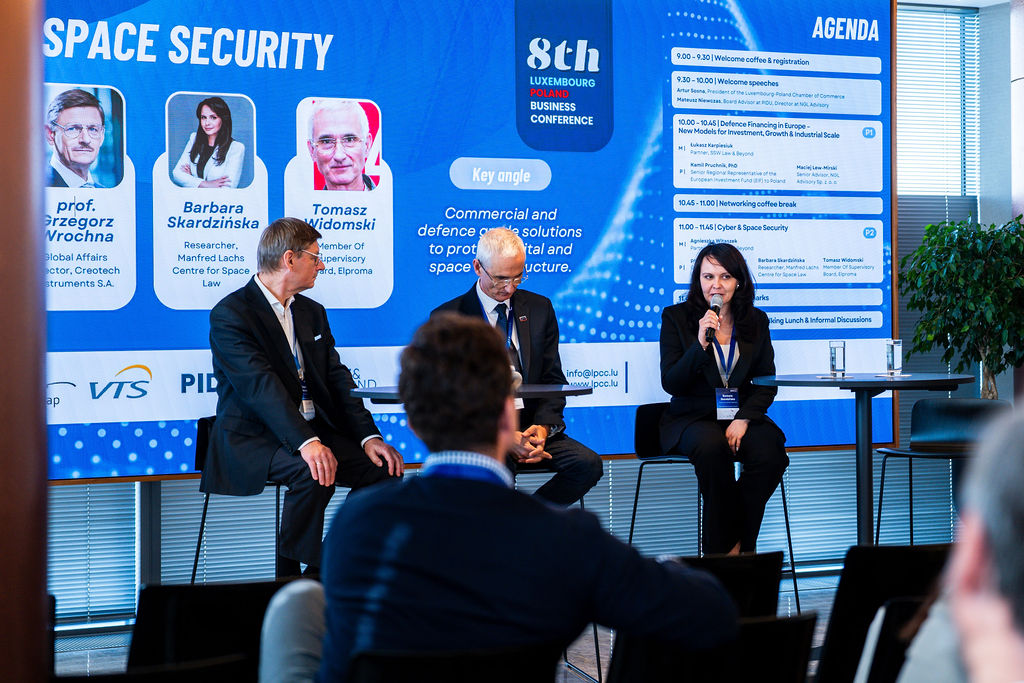
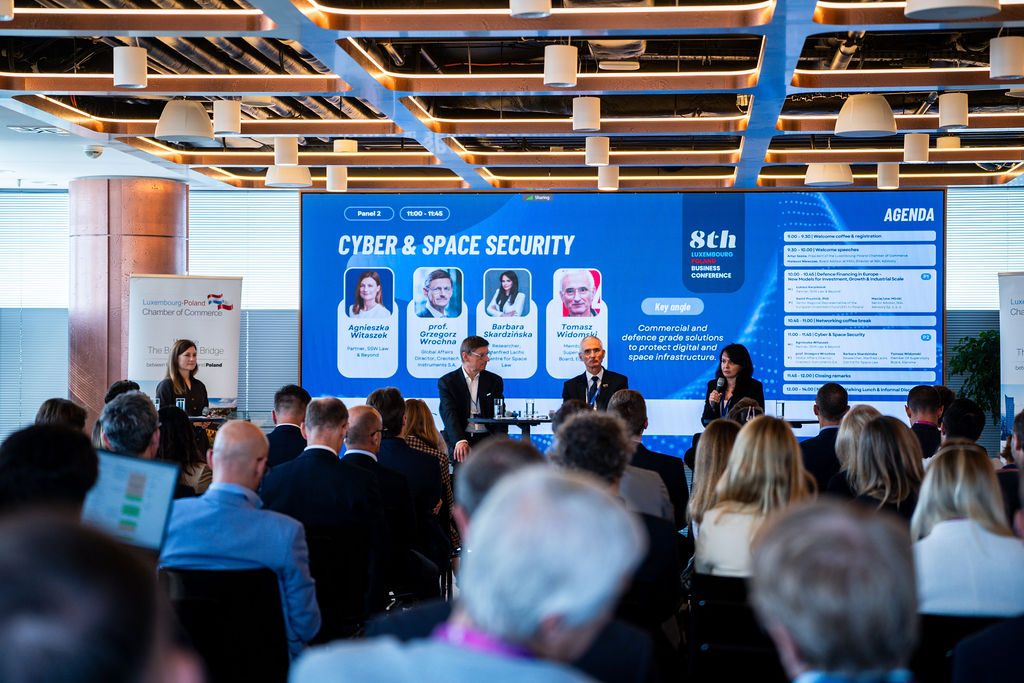
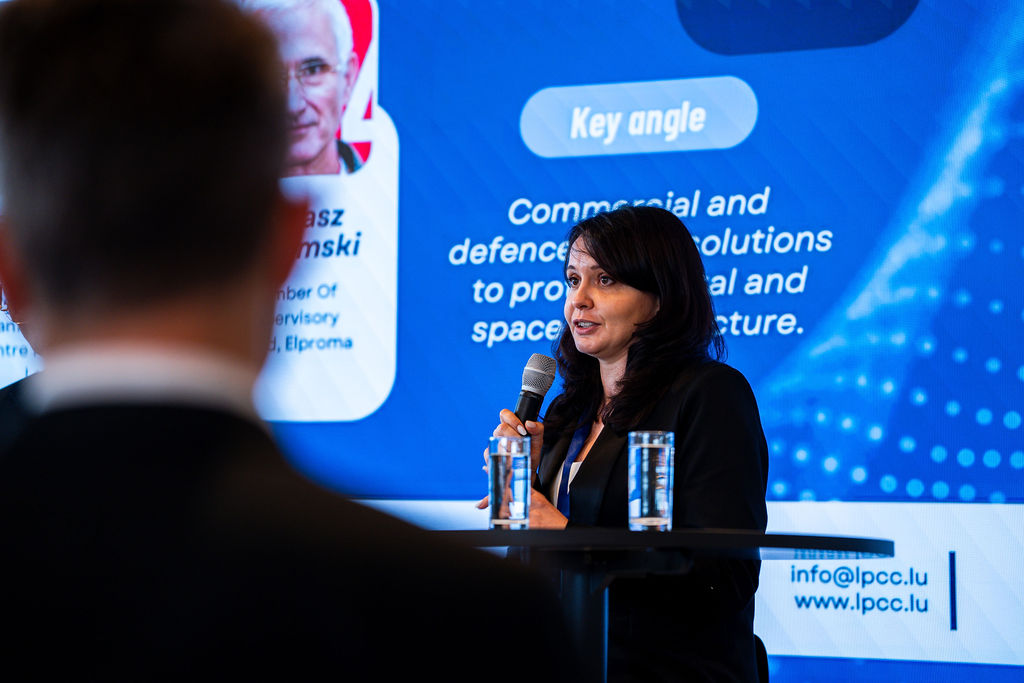
Panel 2: Cyber & Space Security
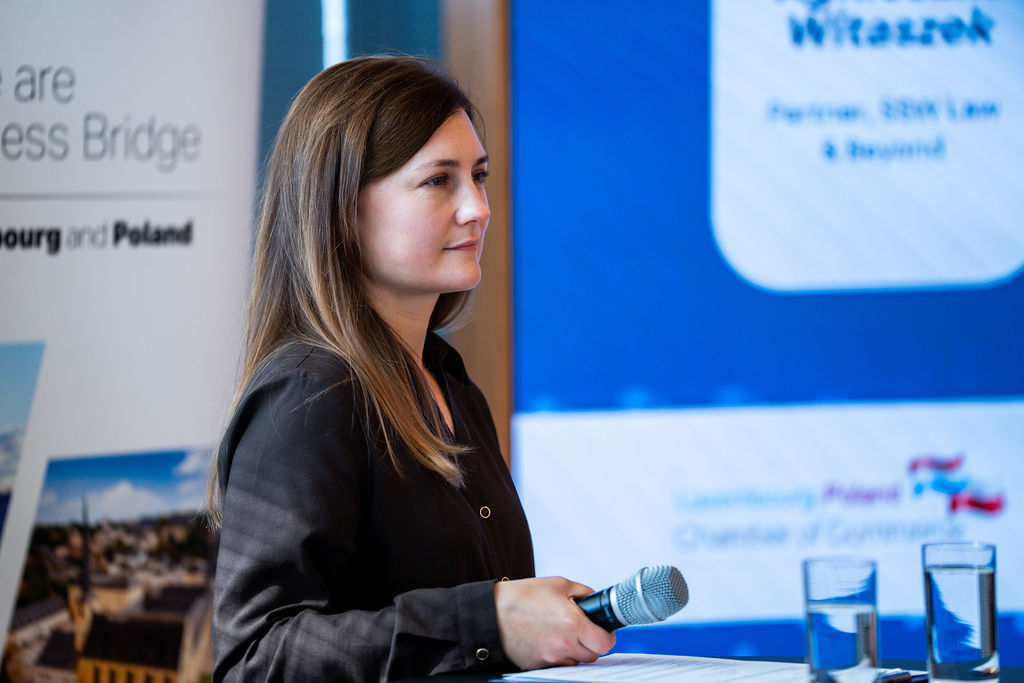
Moderator: Agnieszka Witaszek (SSW Law & Beyond)
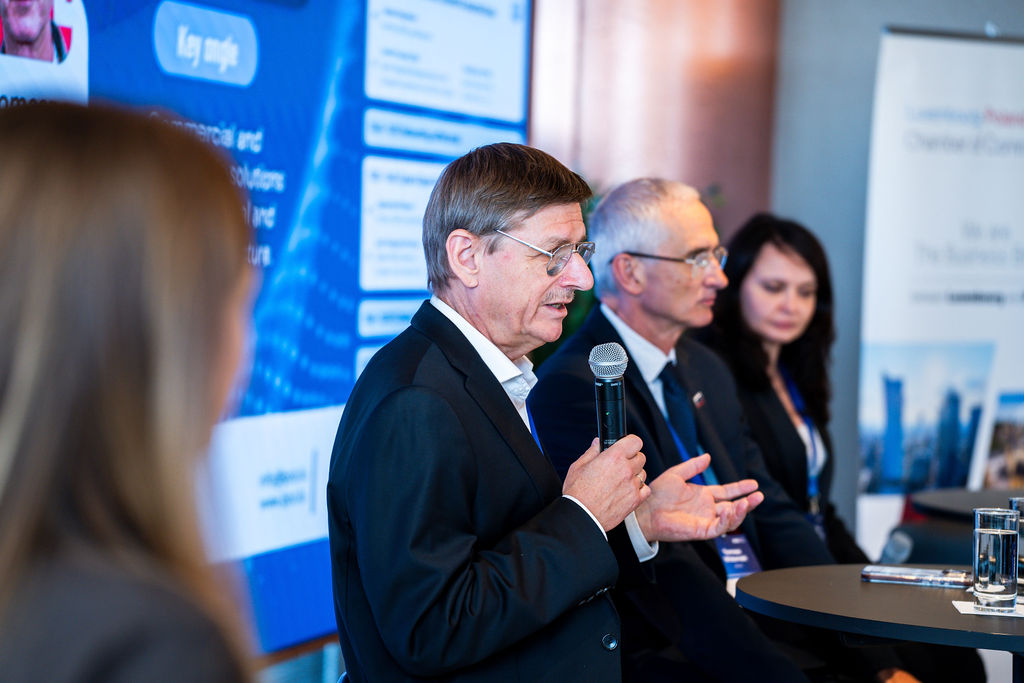
Panellists: prof. Grzegorz Wrochna (Creotech Instruments S.A.), Barbara Skardzińska (Manfred Lachs Centre for Space Law, University of Warsaw), Tomasz Widomski (Elproma)
Key takeaways:
- Satellites are now critical infrastructure.Their cyber resilience is a matter of national and European security, not only a technical concern for operators.
- Timing, positioning and secure communications are a hidden weak point.Energy, finance, telecoms and transport all depend on them, which makes them an attractive target for hybrid attacks.
- Data sovereignty goes beyond the cloud.Control over timing and positioning infrastructure deserves the same attention as control over data centres.
- Strategic autonomy must go hand in hand with competitiveness.Reducing dependence on non-European technologies requires closing critical gaps without cutting Europe off from innovation.
- The legal framework needs to keep pace.Existing EU and international rules do not fully address cyber and hybrid threats in space, leaving gaps in infrastructure protection and data sovereignty. New EU space law is on the way.
Connecting Finance, Technology and Security
Across both discussions, the conference examined how Europe can strengthen its security capabilities while creating the financial, technological, and regulatory conditions needed for long-term development.
For Luxembourg and Poland, this creates opportunities to deepen cooperation across investment, defence, dual-use technologies, cybersecurity, and space. Luxembourg’s financial ecosystem and Poland’s growing defence and technology capabilities provide complementary strengths, while cross-border partnerships can help mobilise capital and scale innovative solutions.
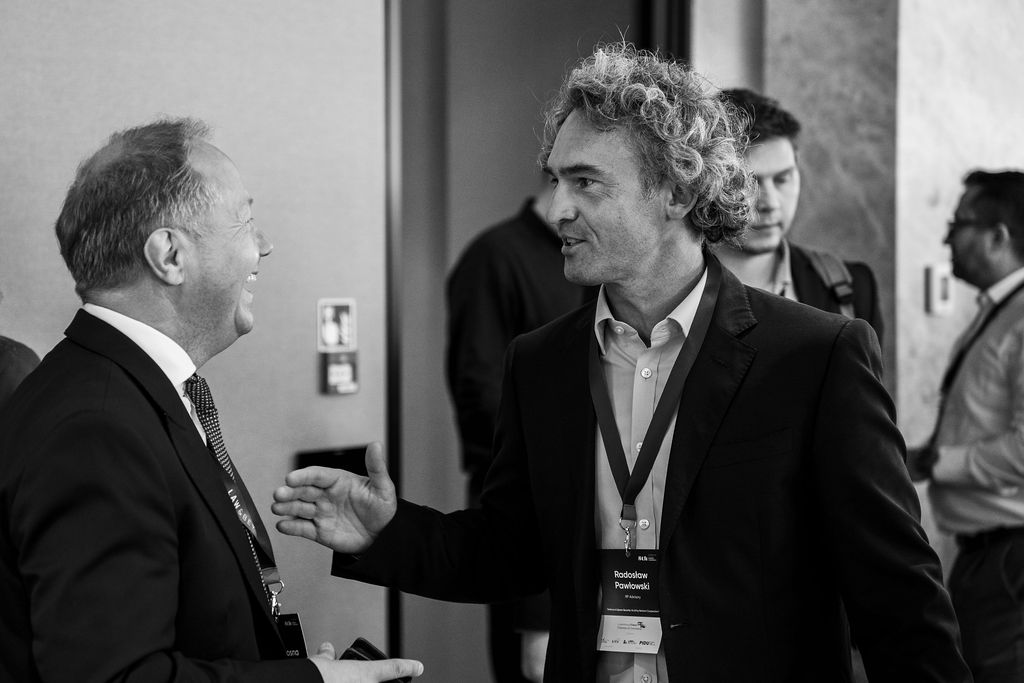
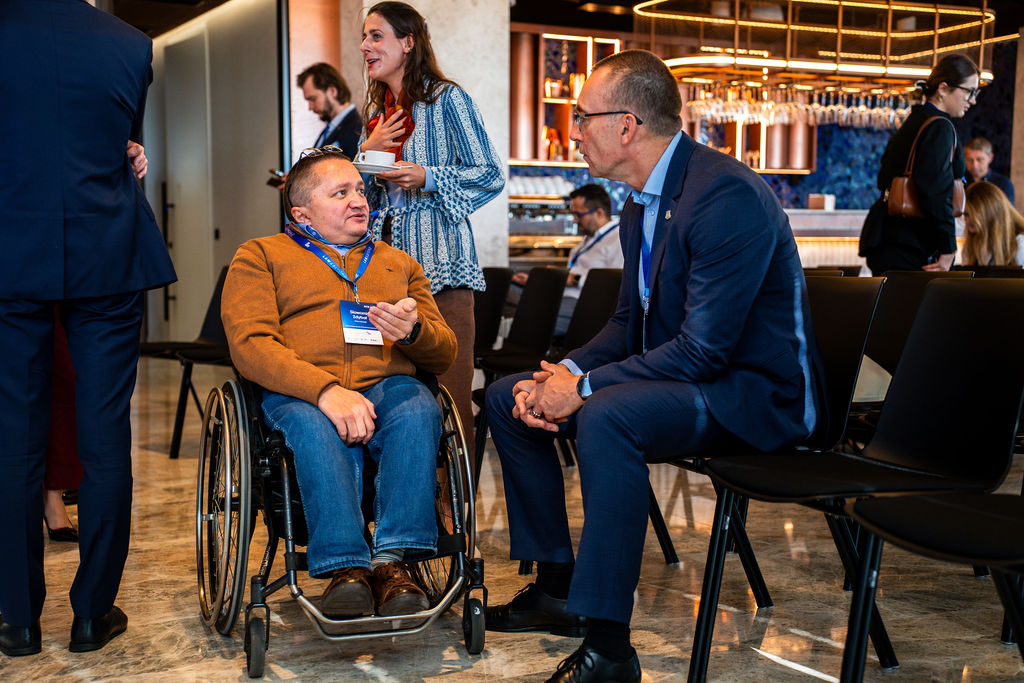
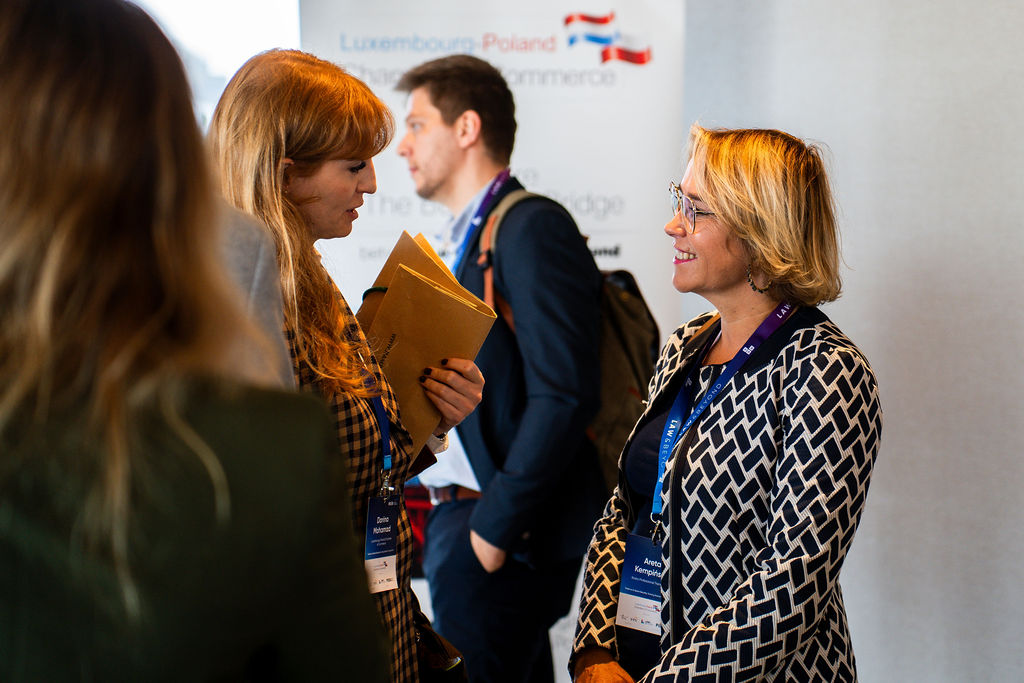
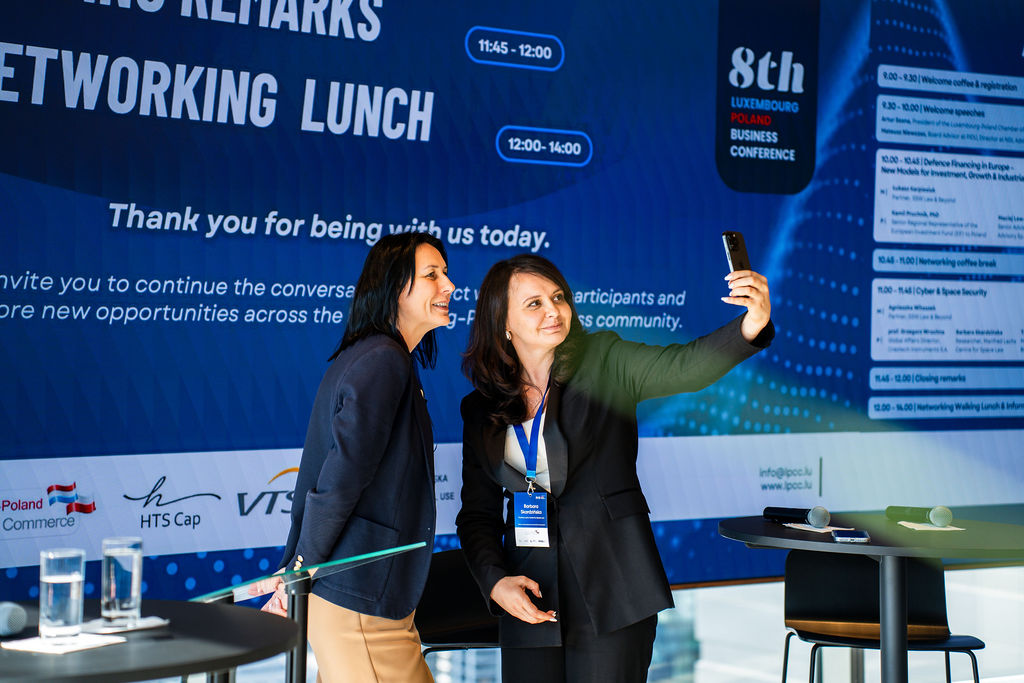
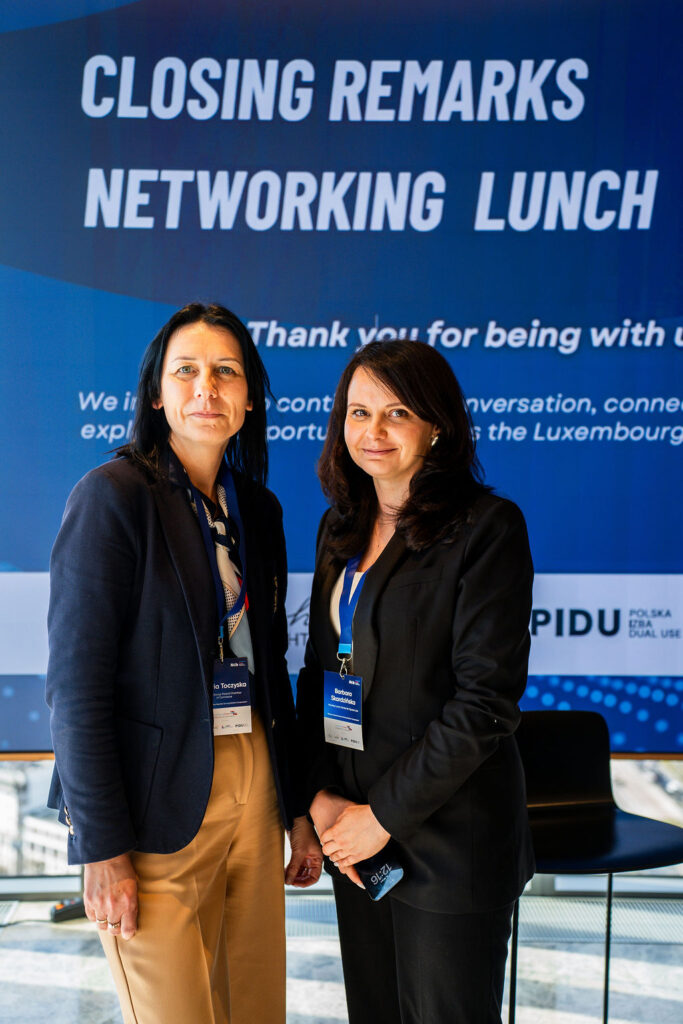
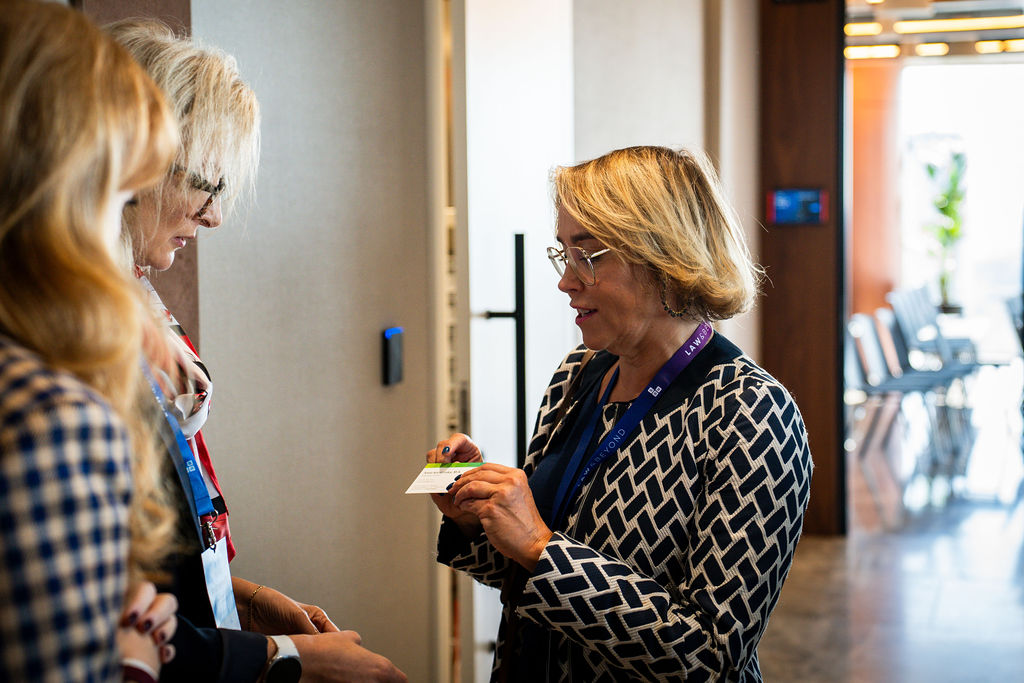
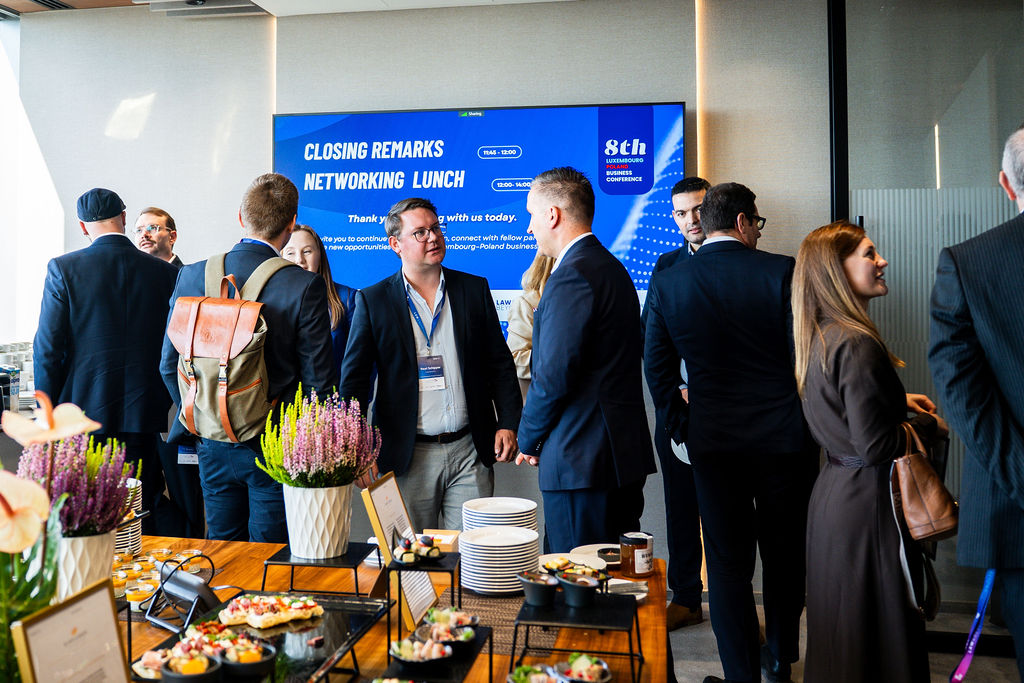
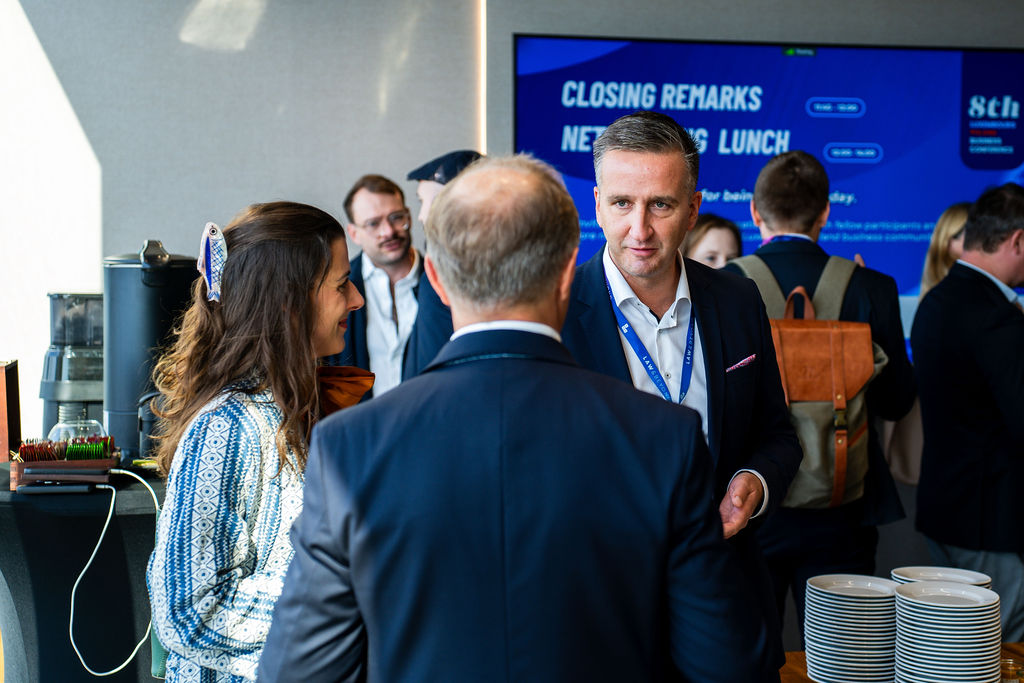
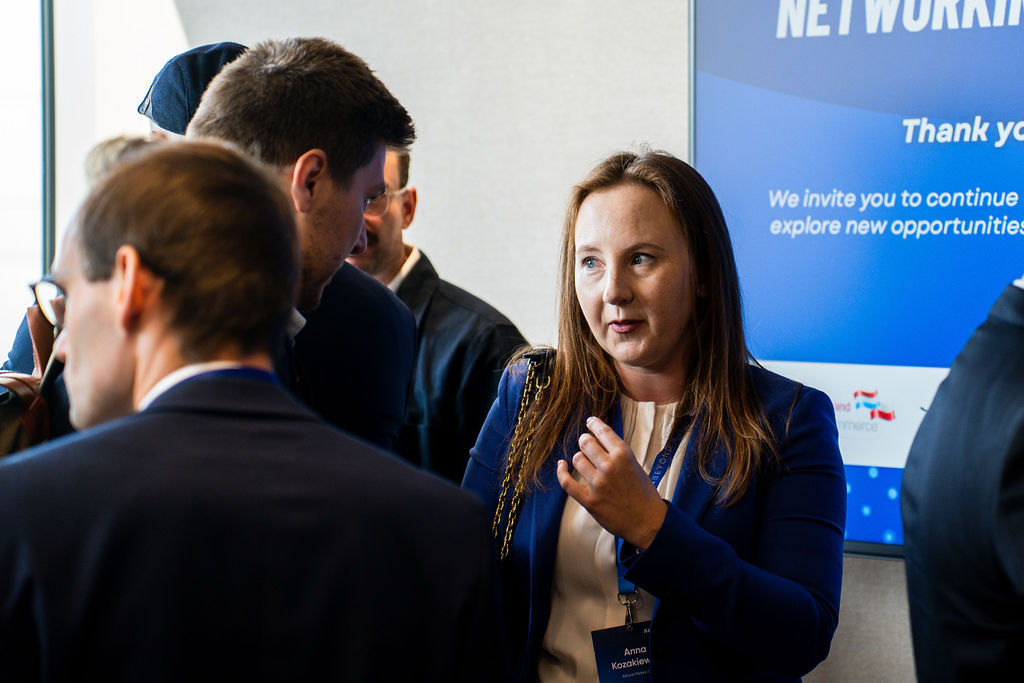
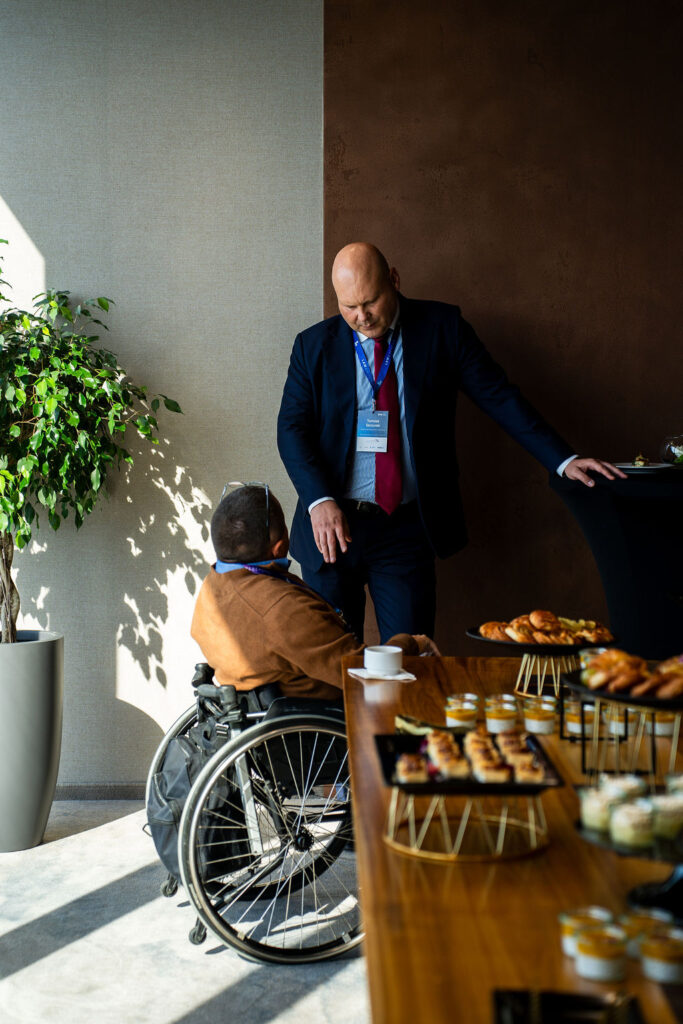
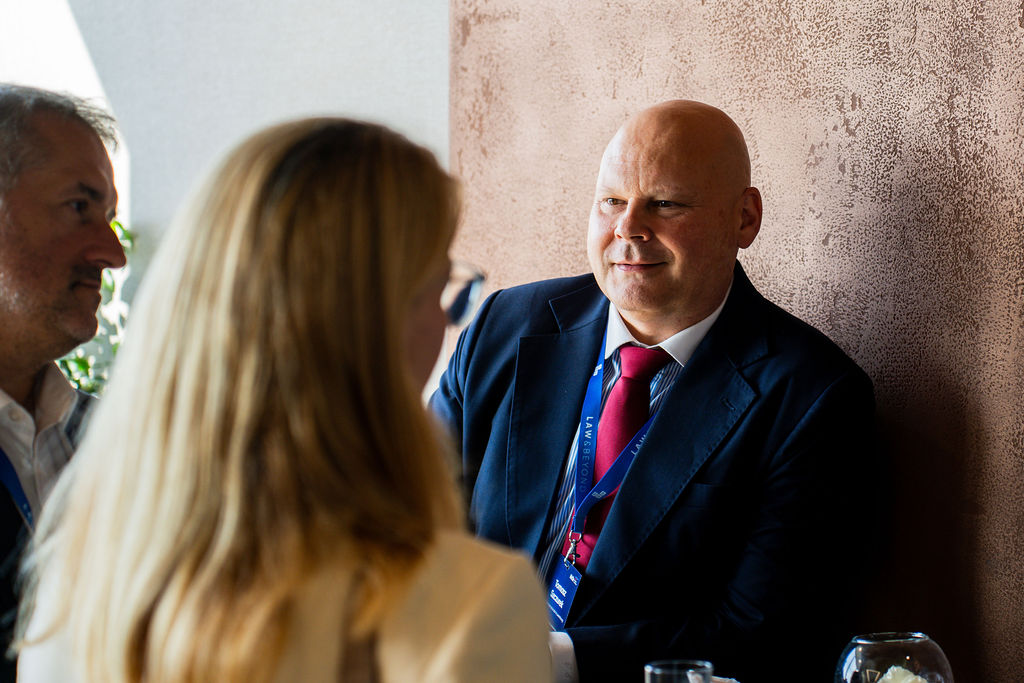
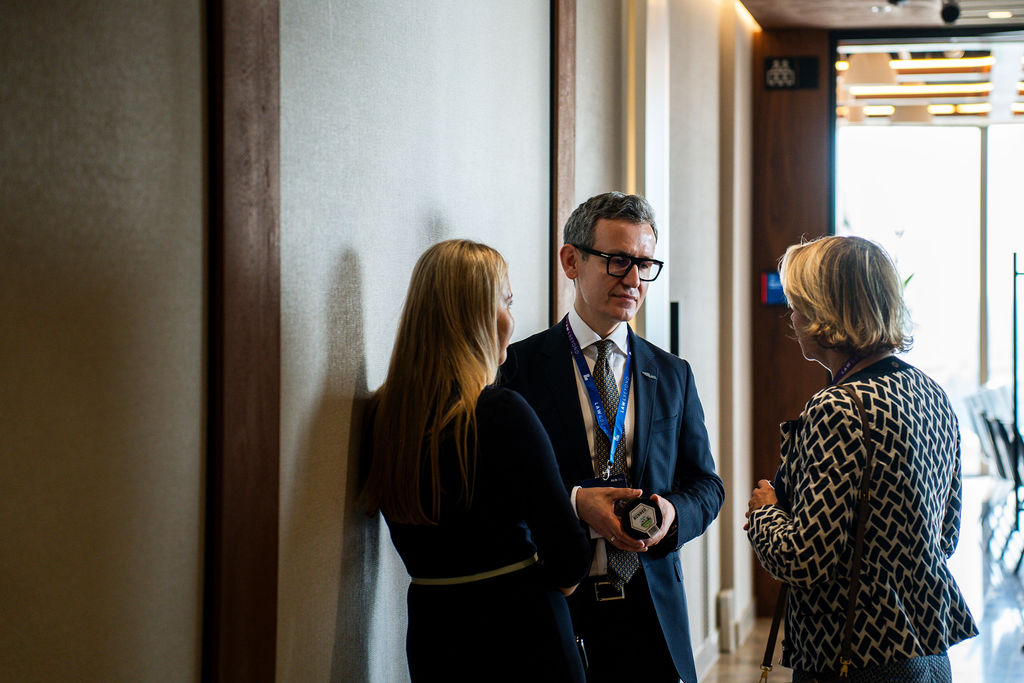
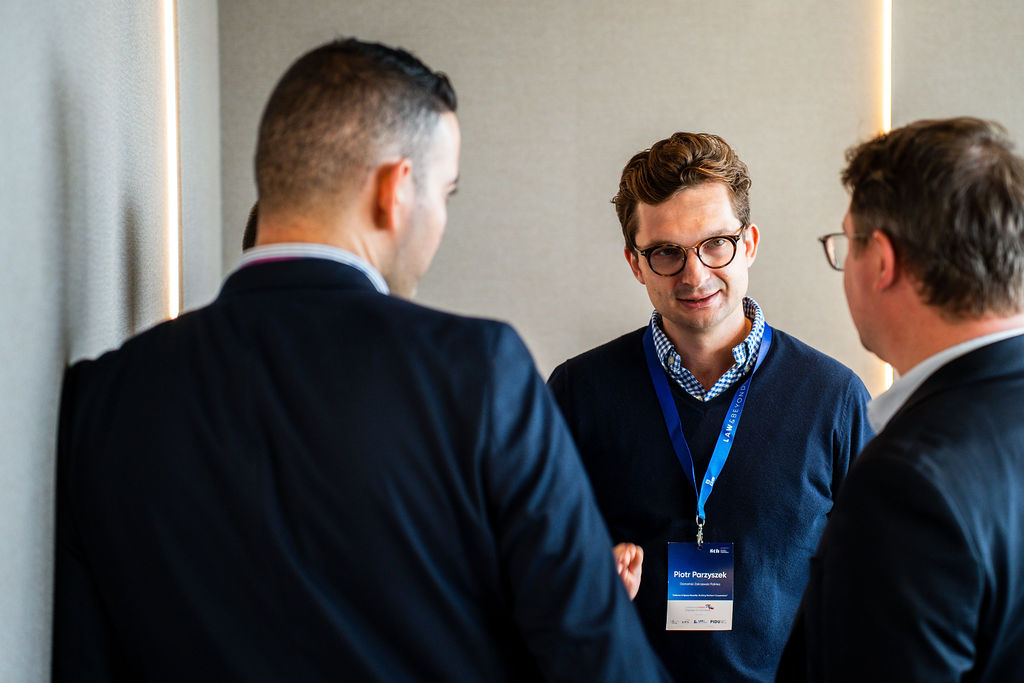
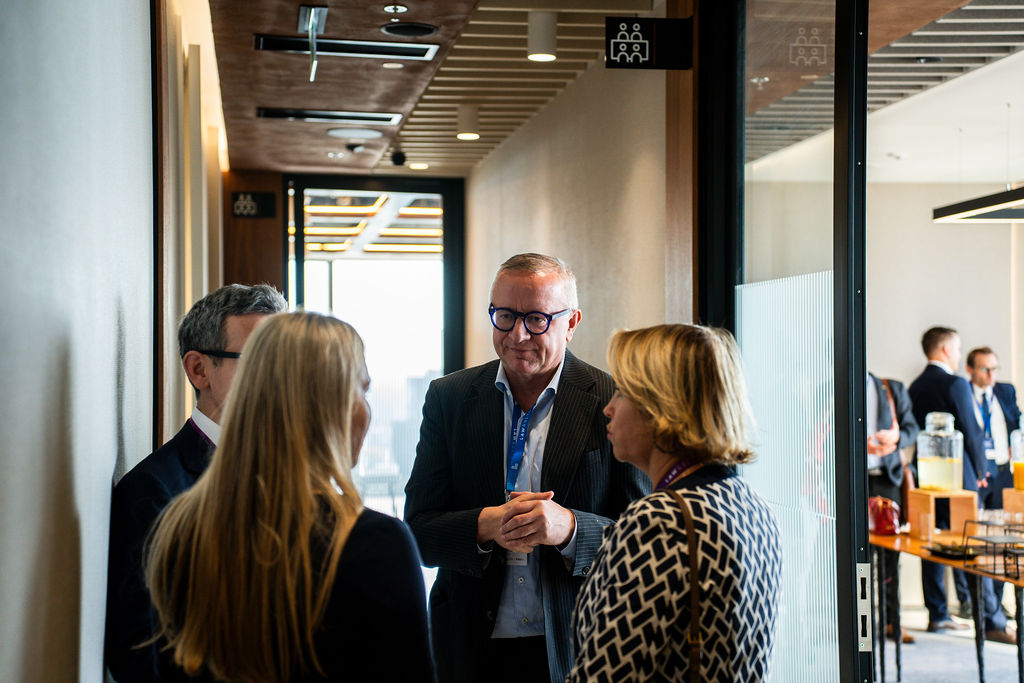
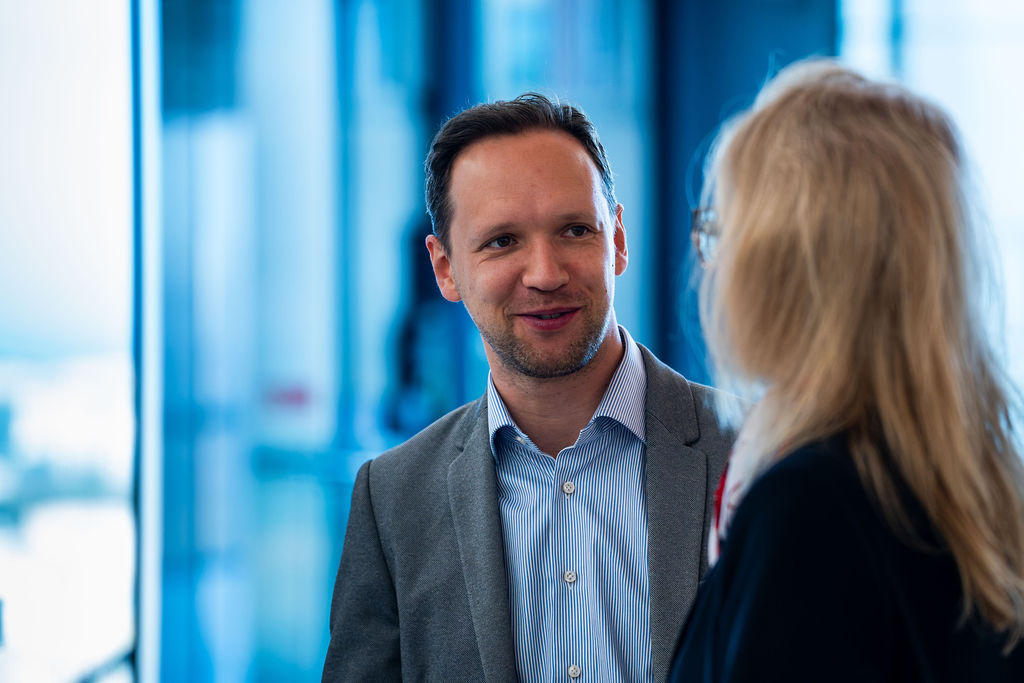
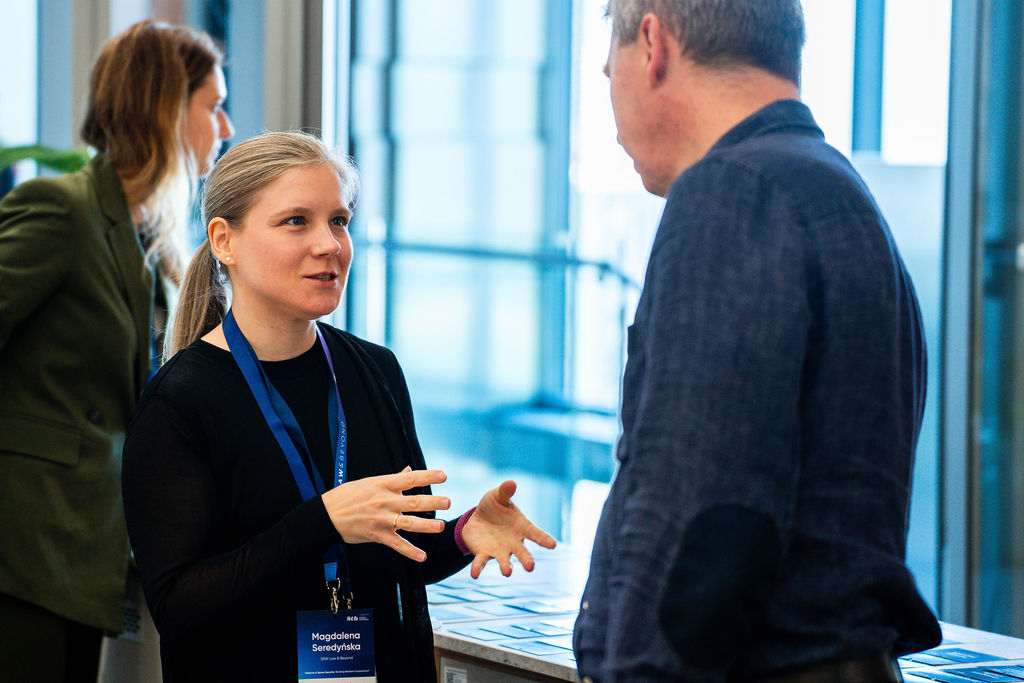
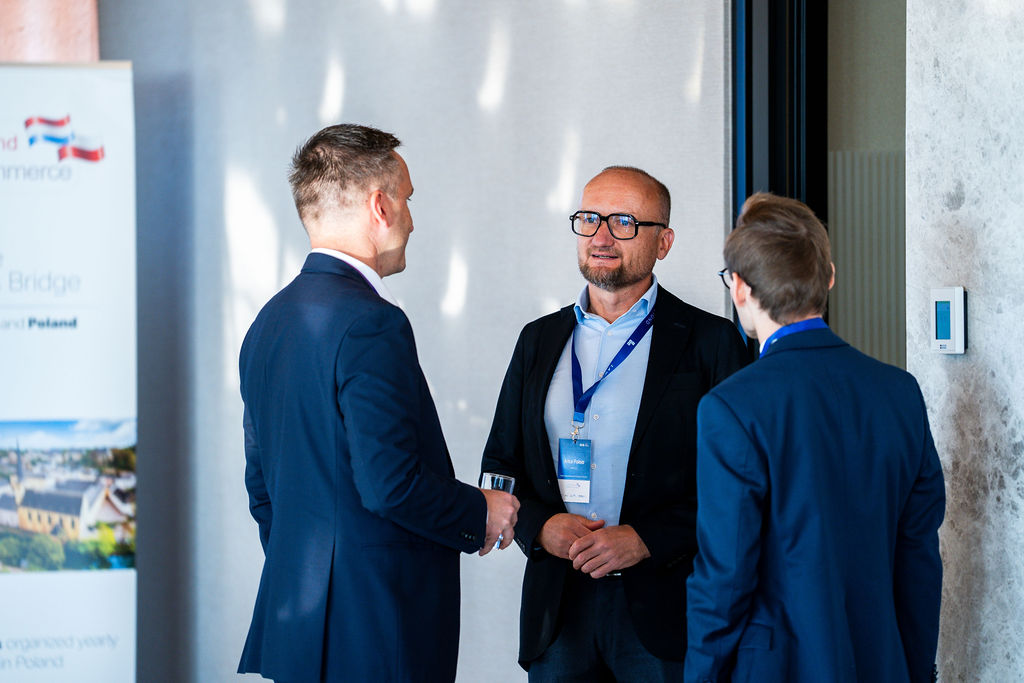
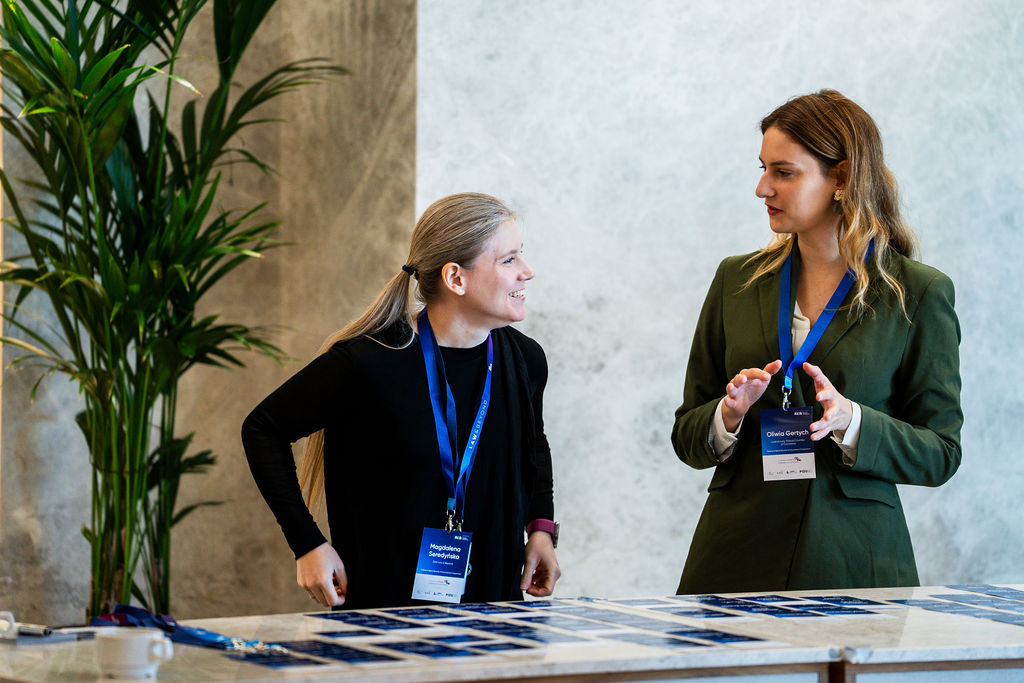
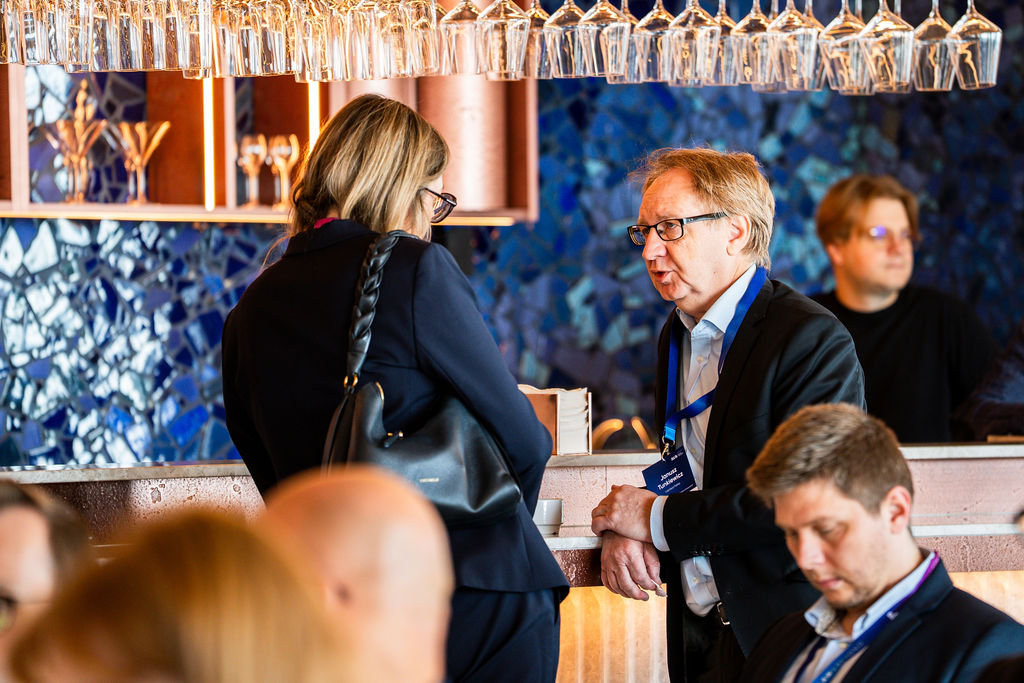
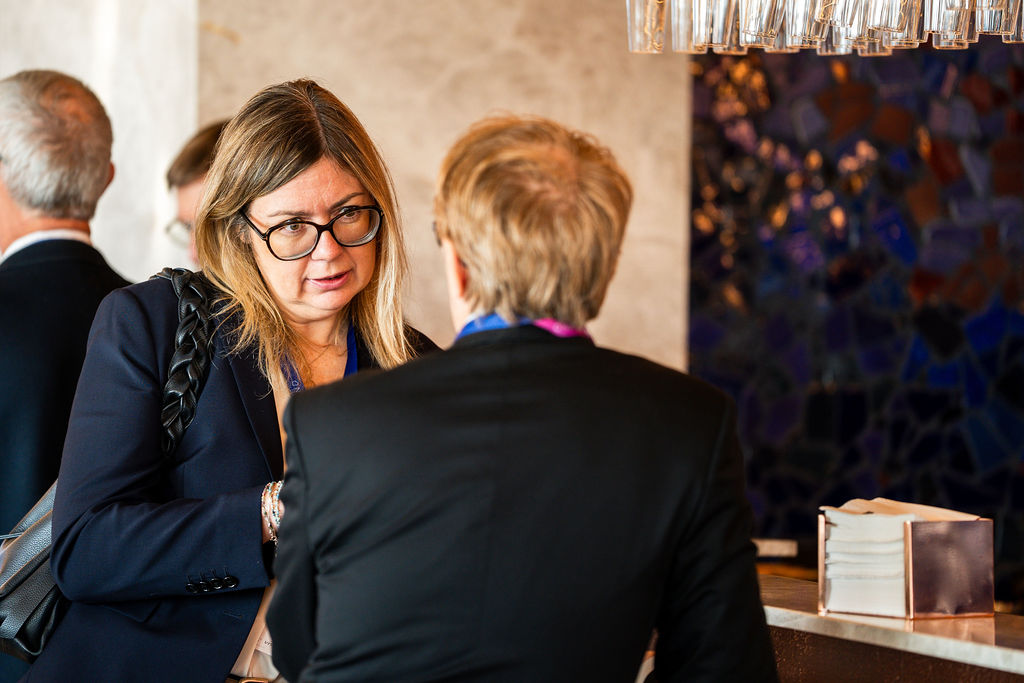
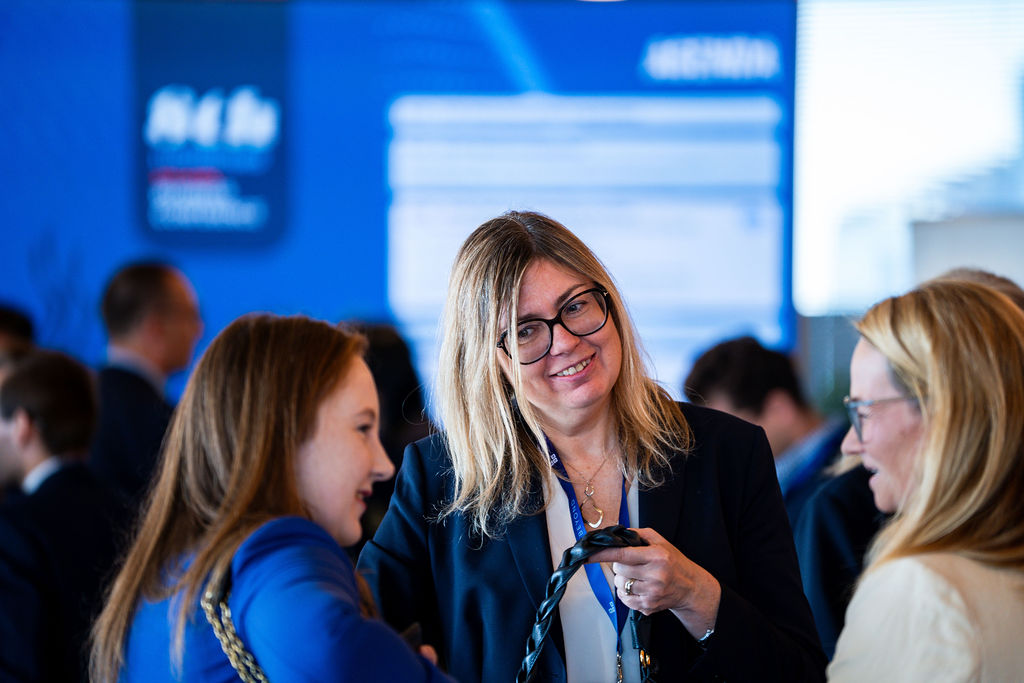
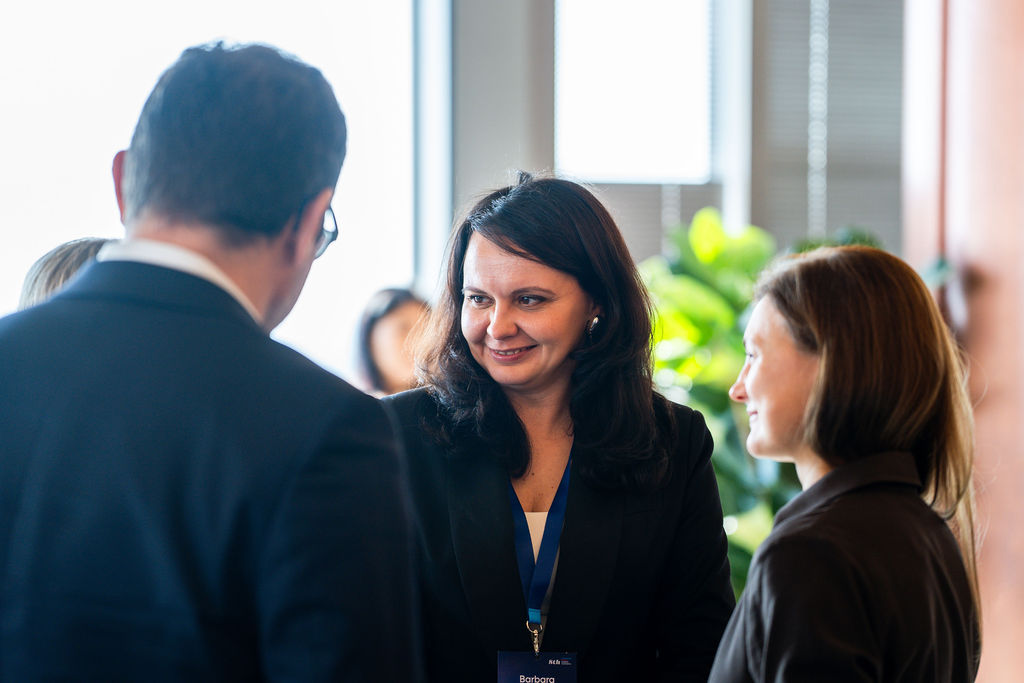
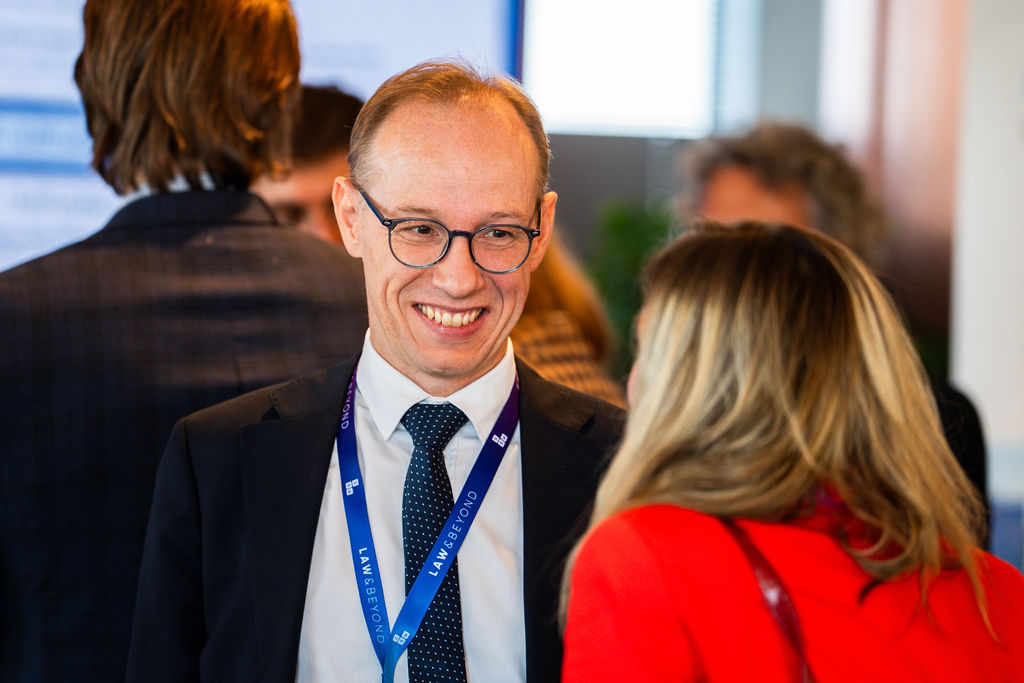
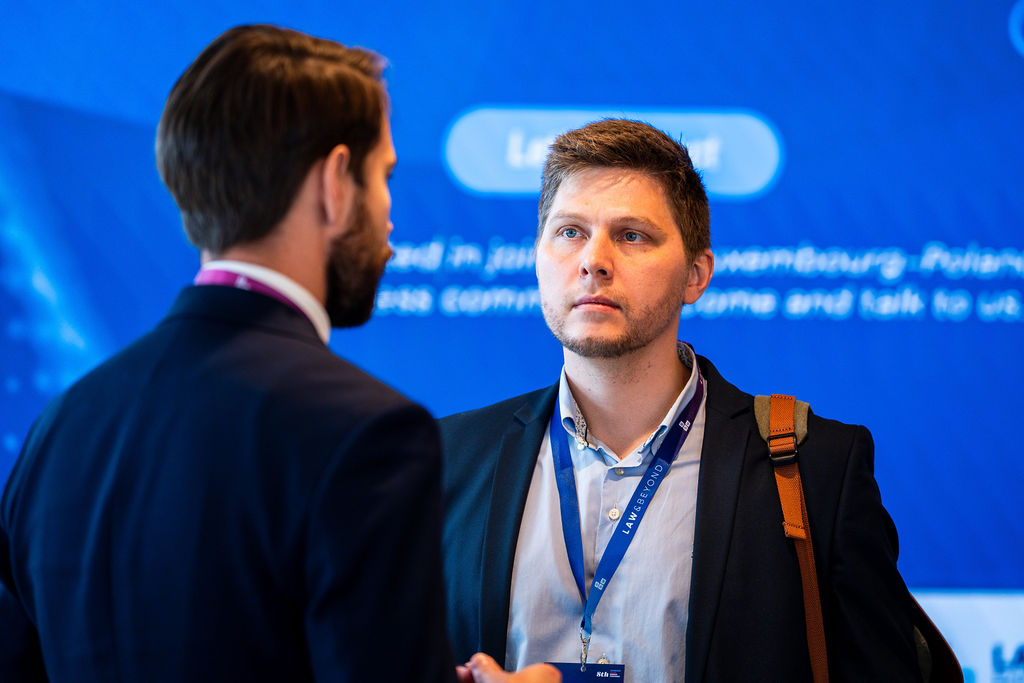
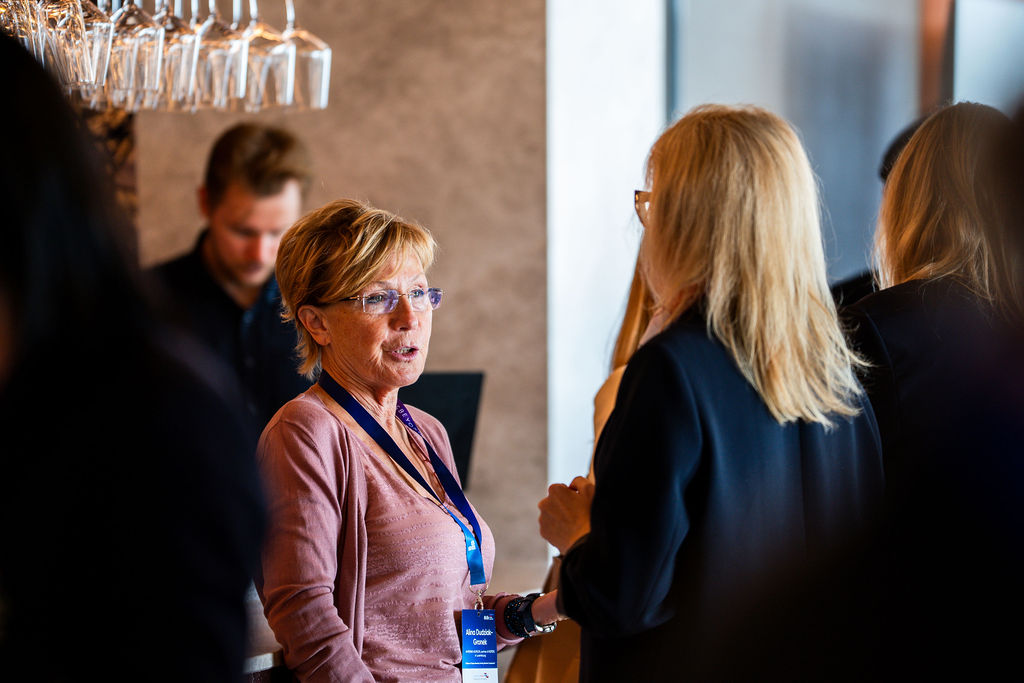
The conference concluded with a networking lunch, giving participants an opportunity to continue the discussions and build connections across the Luxembourg–Poland business community.
LPCC would like to thank the speakers, moderators, sponsors, partners, and participants who contributed to the 8th Luxembourg–Poland Business Conference and to the discussion on building more resilient cooperation between Luxembourg and Poland.